
Indo Islamic Heritage


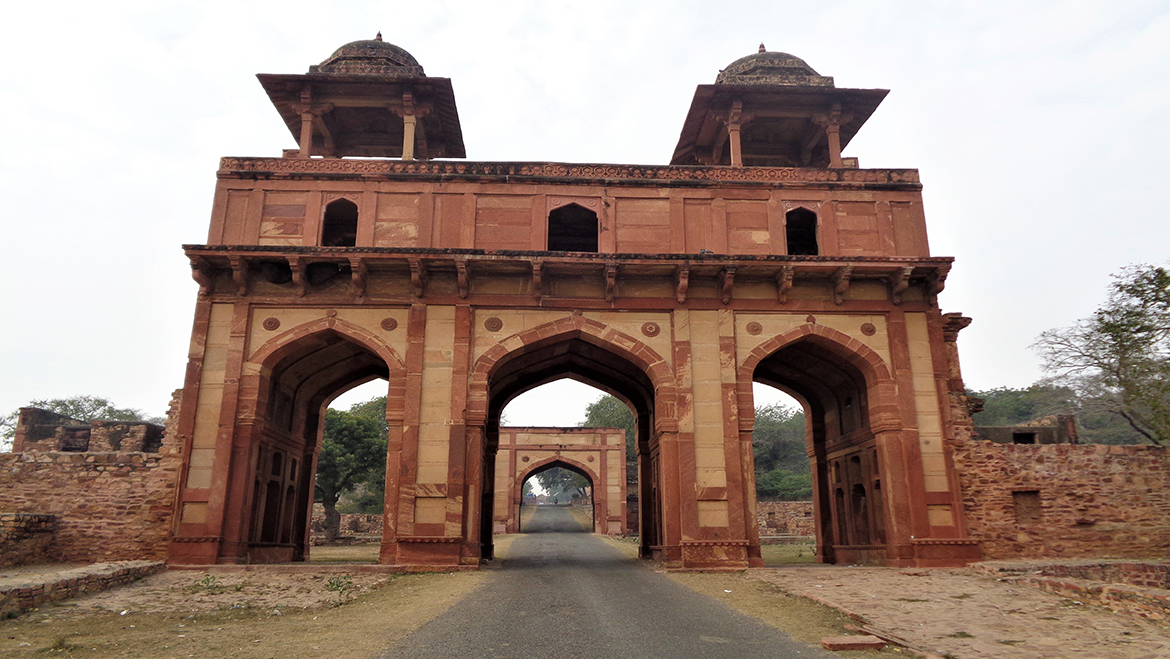

Naubat Khana, Fatehpur Sikri: The Gateway to Royal Music and Mughal Grandeur Nestled within the grand Fatehpur Sikri complex, Naubat Khana is a striking structure that offers visitors a glimpse into the cultural richness and architectural brilliance of the Mughal Empire. Nearest Bus Stop: Fatehpur Sikri Bus Stand (Approx. 2 km away) Nearest Railway Station: Fatehpur Sikri Railway Station (Approx. 3 km away) Nearest Metro Station: Taj Mahal Metro Station, Agra (Approx. 37 km away) Nearest Airport: Agra Airport (Kheria) ? Approx. 40 km away. Indira Gandhi International Airport in Delhi is about 220 km away, providing convenient access for international travelers
Nestled within the grand Fatehpur Sikri complex, Naubat Khana is a striking structure that offers visitors a glimpse into the cultural richness and architectural brilliance of the Mughal Empire. Built during the reign of Emperor Akbar in the 16th century, this charming building once served as a gateway to the royal court and was dedicated to the performance of royal music. The term "Naubat Khana" translates to "Drum House," referring to the place where the royal musicians played music to announce the arrival of the emperor or to mark significant events. With its rich historical significance and captivating architectural features, Naubat Khana stands as a testament to the artistic and cultural patronage of Akbar's reign. A visit to this monument is not only a journey into the Mughal era but also an exploration of the grandeur of the Mughal court and the pivotal role of music in royal life. Historical Significance Naubat Khana played an essential role in the Mughal court as a place where royal musicians performed traditional music during important ceremonies, royal gatherings, and public events. The structure is part of the royal enclosure and was built with the primary purpose of allowing the drum and other musical instruments to be heard by all within the palace complex. The sound of the drums served as an announcement of the emperor?s presence and was a means of communication throughout the kingdom. Under Akbar?s rule, music and arts flourished, with the emperor being a patron of several musical traditions. The Naubat Khana thus became a space where instrumental performances, including the sound of drums, trumpets, and other instruments, signaled the emperor?s arrival, the changing of the guard, and other important events. Today, it serves as a reminder of the importance of music and tradition in Mughal culture. Architectural Features The Naubat Khana stands out for its architectural beauty and unique design, which reflects the Mughal emphasis on symmetry, grandeur, and functionality: Mughal Style Architecture: The structure combines Persian, Indian, and Central Asian influences, characteristic of Akbar's reign. The building is an arched structure with decorative elements that emphasize the elegance of Mughal craftsmanship. Two-Story Design: Naubat Khana is a two-story building with a large central hall on the ground floor. The hall was once the main space for musical performances, where drummers and other musicians would play during ceremonies. The upper floor was likely used for royal visitors or as an elevated platform from which the emperor could observe the performances. Aesthetic Details: The building is adorned with intricate carvings, floral motifs, and geometric patterns, typical of Mughal stonework. The arches, pillars, and windows are designed to allow sound to travel across the court and into the palace. Symmetry and Open Courtyards: The design of Naubat Khana follows the Mughal principles of symmetry and openness. The structure is positioned at a strategic location, facing the entrance to the main palace, with expansive courtyards surrounding it. This openness allowed the music to be heard by the royal family, courtiers, and visitors in the vicinity. Domed Roof: The roof of Naubat Khana is domed, another common feature of Mughal architecture, offering both aesthetic value and structural support. The dome adds to the grandeur of the building, with windows that let in natural light, creating a bright and airy space. Naubat Khana in Fatehpur Sikri is a beautiful reminder of the Mughal Empire's love for music, art, and architectural excellence. With its distinctive Mughal style design, intricate carvings, and grandiosity, this monument once served as the stage for royal musical performances that marked the ceremonial life of Emperor Akbar's court. Today, it stands as a testimony to the cultural vibrancy and artistic legacy of the Mughal period, offering visitors a chance to experience the magnificence of the Mughal court and the significant role music played in it. A visit to Naubat Khana provides an enriching experience for history lovers, architecture enthusiasts, and anyone interested in the cultural heritage of India. This beautiful structure transports visitors back in time, allowing them to imagine the royal ceremonies and the majestic sounds that once echoed from its walls.
Year of Built: 16th CENTURY
Address: 3MX9+HXJ, Dadupura,, Wazirpur, Dadupura, Fatehpur Sikri, Uttar Pradesh 283110
Country: India
State: Uttar Pradesh
District: Agra
Pincode: 283110
Longitude: 77.6594? E
Latitude: 27.0961? N