
Indo Islamic Heritage


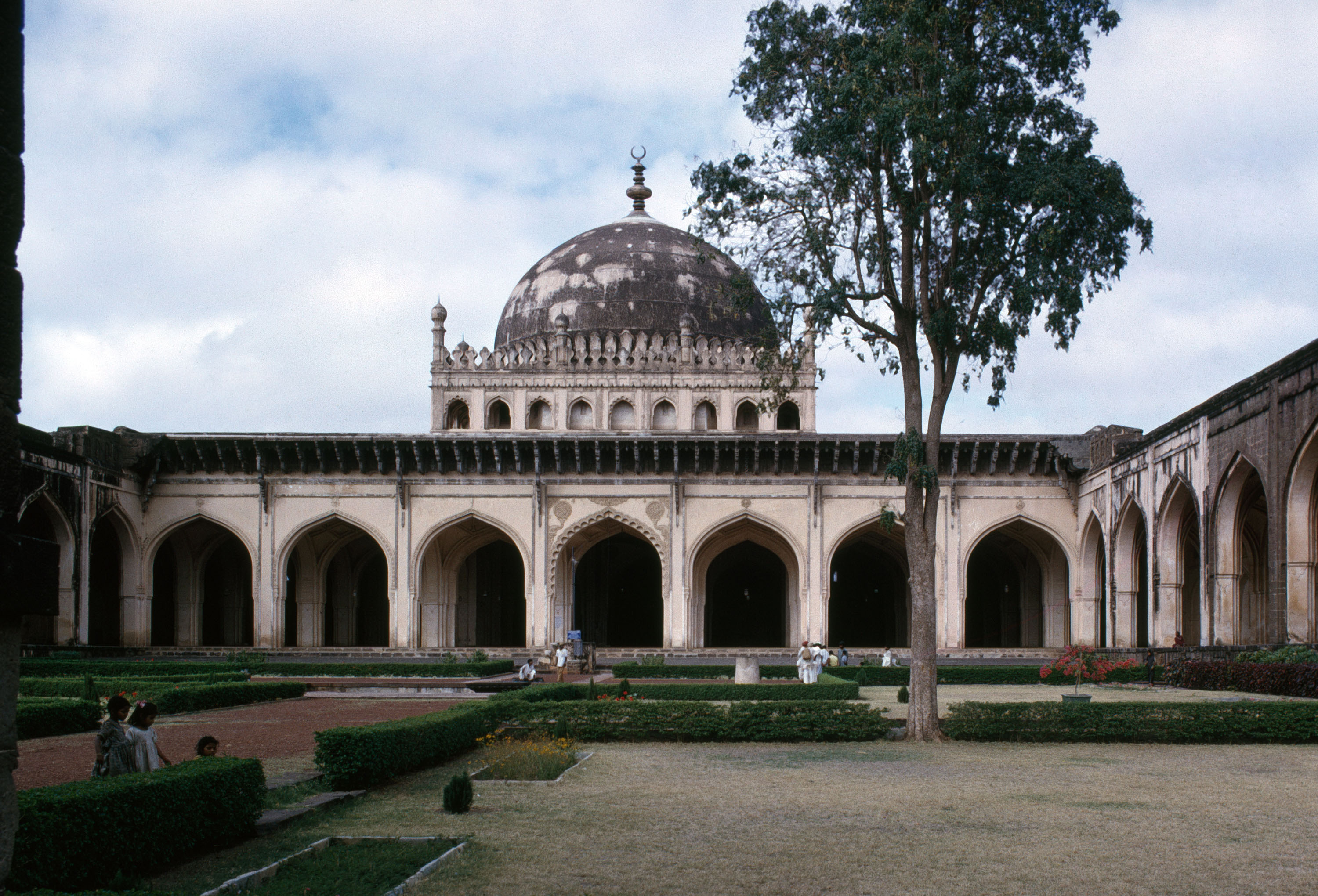
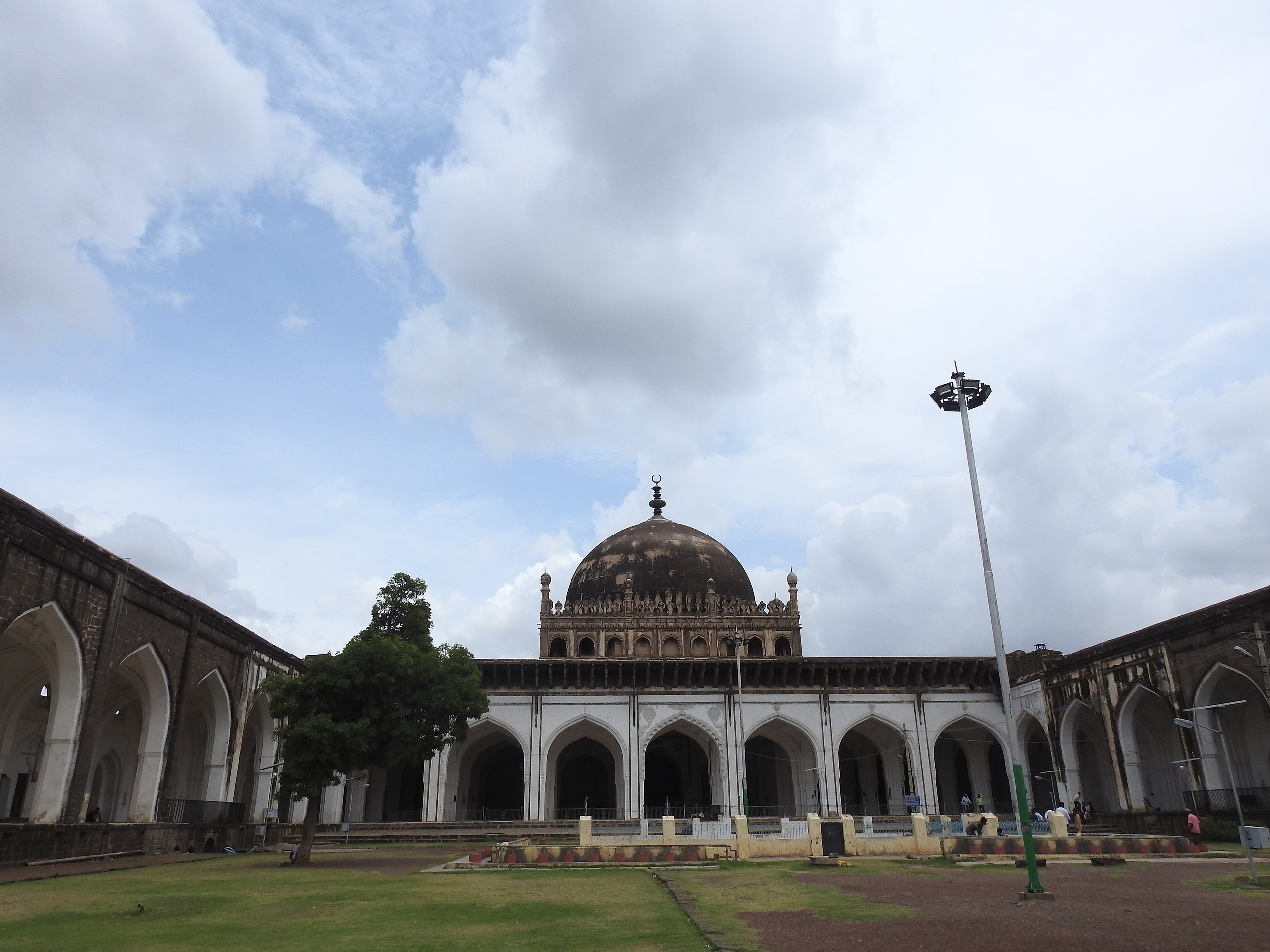
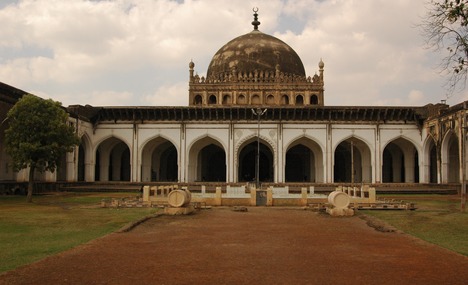
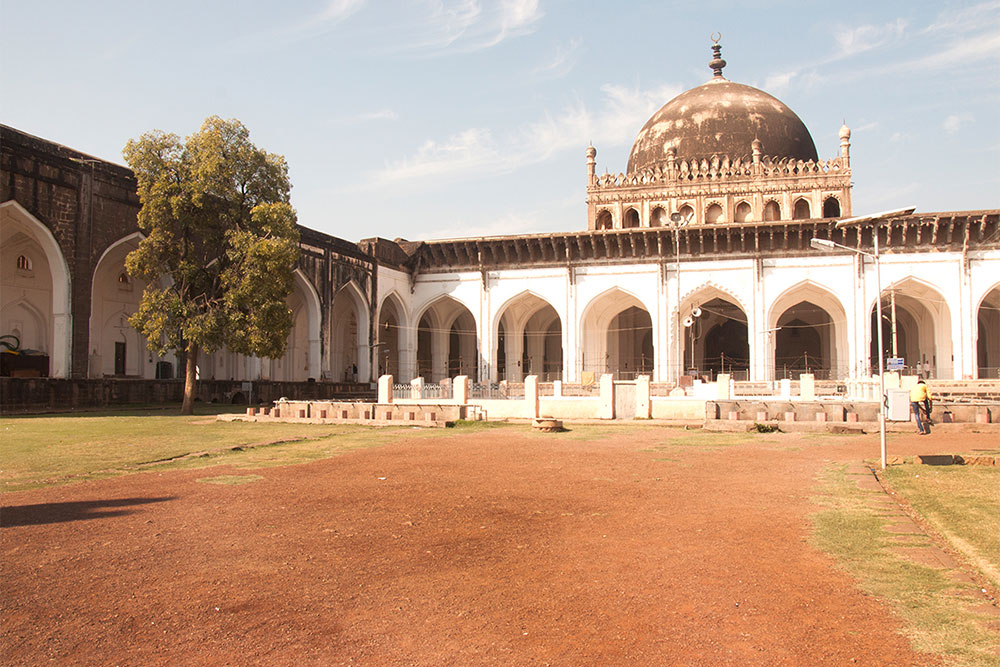
The Jama Masjid of Bijapur, also referred to as the Jamiya Masjid or Jumma Masjid, is a prominent congregational mosque located in Bijapur, Karnataka, India. This historic structure was initiated in the 16th century by Ali Adil Shah I, a ruler of the Bijapur Sultanate. Despite its grandeur and significance, the mosque was never fully completed. It remains the largest mosque in Bijapur and can accommodate up to 4,000 worshippers.
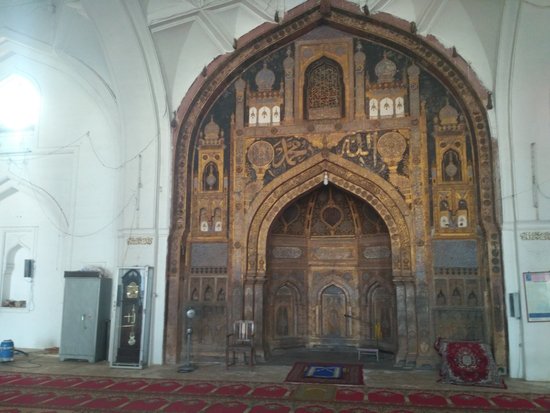
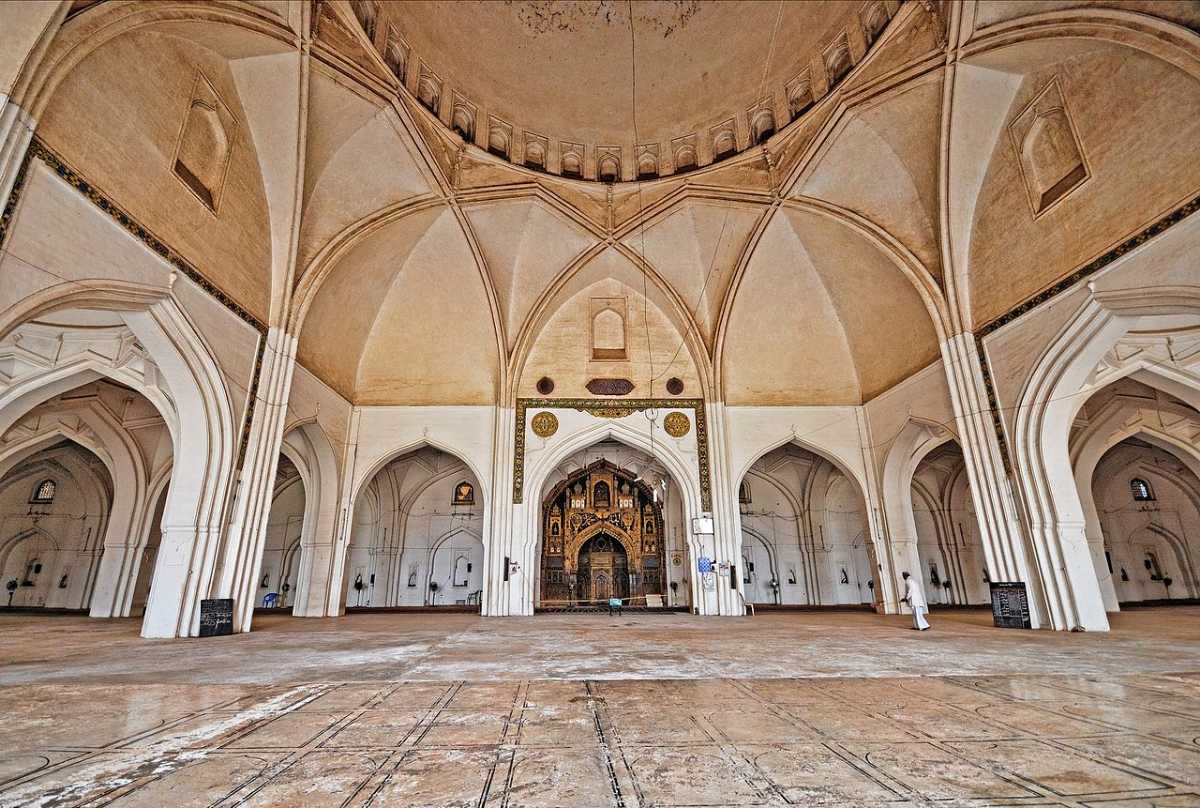
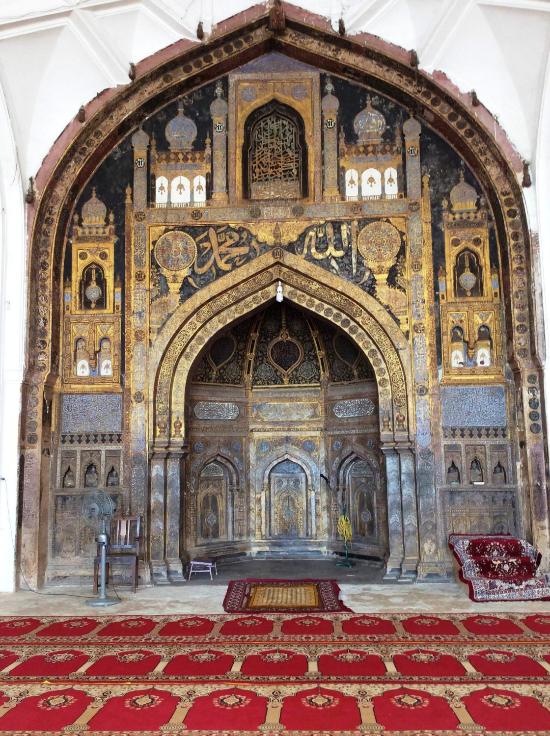
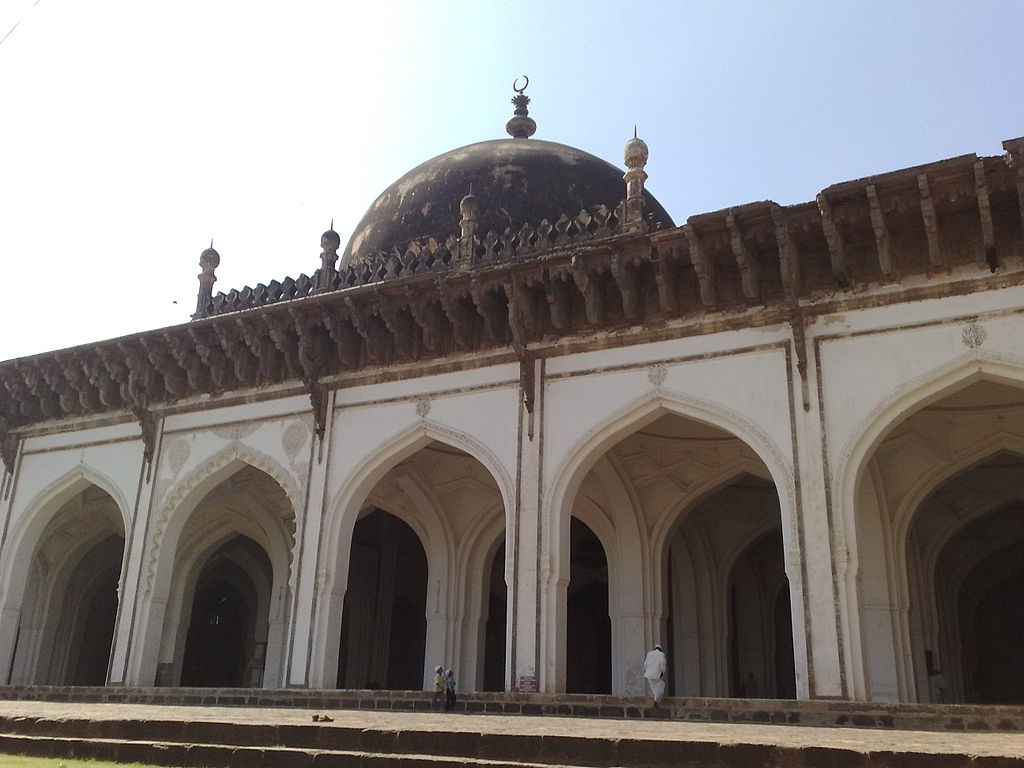
The Jama Masjid in Bijapur is a historic and architecturally significant mosque, reflecting the cultural and political history of the Deccan Sultanates. Its construction began in 1576 under the patronage of Ali Adil Shah I, who financed the project with wealth looted during the Battle of Talikota. This battle marked a decisive victory for an alliance of the Deccan Sultanates against the Vijayanagara Empire, leading to the dispersal of its immense treasures. Although most of the mosque was completed by 1686, the structure was never fully finished. Nevertheless, it became the principal congregational mosque of Bijapur, replacing an earlier, smaller mosque built during the reign of Ibrahim Adil Shah I. Over the years, subsequent rulers contributed to the mosque?s enhancement, ensuring its continued prominence in the city?s religious and architectural landscape. Notably, Muhammad Adil Shah is believed to have commissioned the intricate murals around the central mihrab, while the Mughal Emperor Aurangzeb later added an eastern doorway and made modifications to the prayer hall?s flooring. Architecturally, the Jama Masjid is considered one of the finest examples of Adil Shahi craftsmanship and is noted for its simplicity and elegance. Its design incorporates influences from earlier Bahmanid architectural traditions, as noted by scholars like Bianca Alfieri, while also demonstrating strong Iranian stylistic elements. Historian Richard Eaton emphasizes that the mosque?s design aligns with Iranian influence rather than incorporating local traditions, distinguishing it from later Bijapuri architectural works. The minimalist ornamentation of the mosque reflects Ali Adil Shah I's Shiite beliefs, as Shiism often advocates restrained decoration in places of worship. This austere approach is particularly evident in the mosque's clean lines and understated embellishments. The mosque complex covers a sprawling rectangular area of 5040 square meters, enclosed by perimeter walls. Entry to the complex is primarily through its eastern gate, which leads to a central courtyard, or sahn, measuring 50 meters on each side. This courtyard contains fountains and an ablution reservoir, enhancing the functional and aesthetic aspects of the mosque. The western side of the complex houses the main prayer hall, a rectangular structure measuring 70 by 36 meters and capped with a hemispherical dome. The dome, adorned with a crescent-moon finial and surrounded by a balustrade, is a focal point of the mosque?s exterior. The facade of the prayer hall is punctuated by seven arched openings, with the central arch distinguished by subtle decoration. Inside, the prayer hall is divided into five bays supported by piers, with the layout running parallel to the qibla wall on the western side. The interior is notable for its restraint, featuring minimal plaster work and an emphasis on symmetry and proportion. The flooring, divided into 2250 rectangular sections resembling individual prayer mats, is a later addition by Aurangzeb and highlights his practical contributions to the mosque's functionality. Despite the overall simplicity, the central mihrab on the qibla wall stands out for its opulent decoration. Gilded and adorned in blue, black, and gold, the mihrab features Quranic epigraphy and intricate designs that contrast sharply with the mosque?s otherwise austere interior. Persian inscriptions near the mihrab suggest that its luxurious decoration was added under Muhammad Adil Shah, a Sunni ruler whose aesthetic preferences diverged from those of Ali Adil Shah I. The intricate craftsmanship of the mihrab has drawn comparisons to the finest examples of Islamic art, including the renowned mihrab of the Mosque?Cathedral in C?rdoba. Scholars like Michell and Zebrowski have hailed it as one of the most exquisite mihrabs in the Islamic world, showcasing the confluence of artistic excellence and spiritual devotion. The juxtaposition of the mosque's overall simplicity with the lavishly adorned mihrab creates a unique architectural narrative, embodying the cultural and religious shifts within the Adil Shahi dynasty.
Year of Built: 16th Century
Address: Jamiya Masjid Rd, opp. Jamija Masjid, Vijayapura, Karnataka
Country: India
State: Karnataka
District: vijayanagar
Pincode: 586101
Longitude: 75.729
Latitude: 16.822