
Indo Islamic Heritage


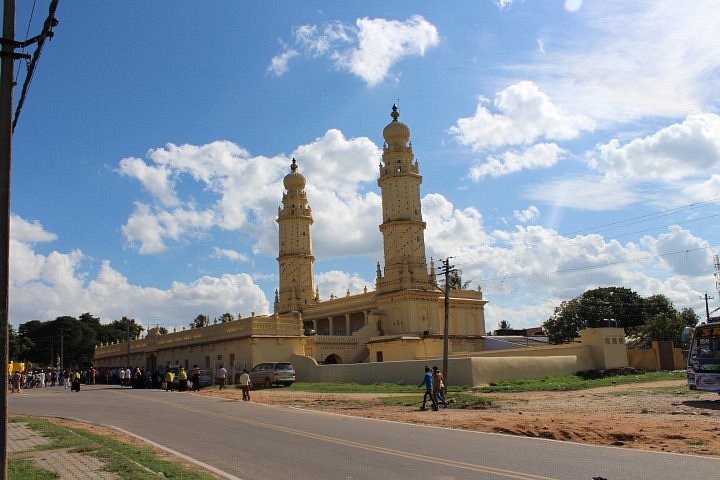
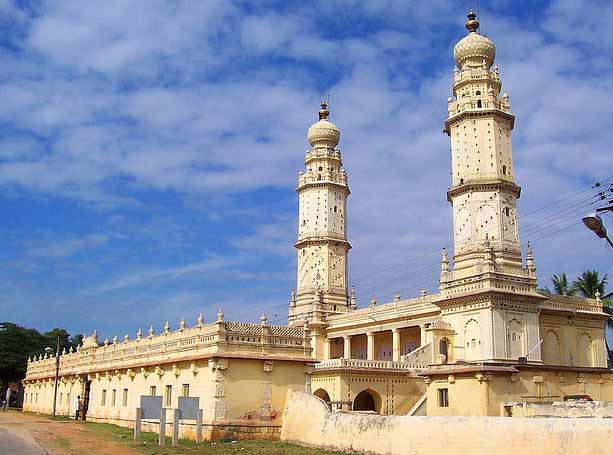
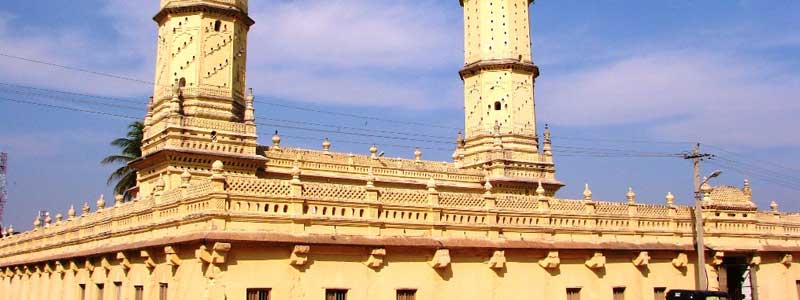
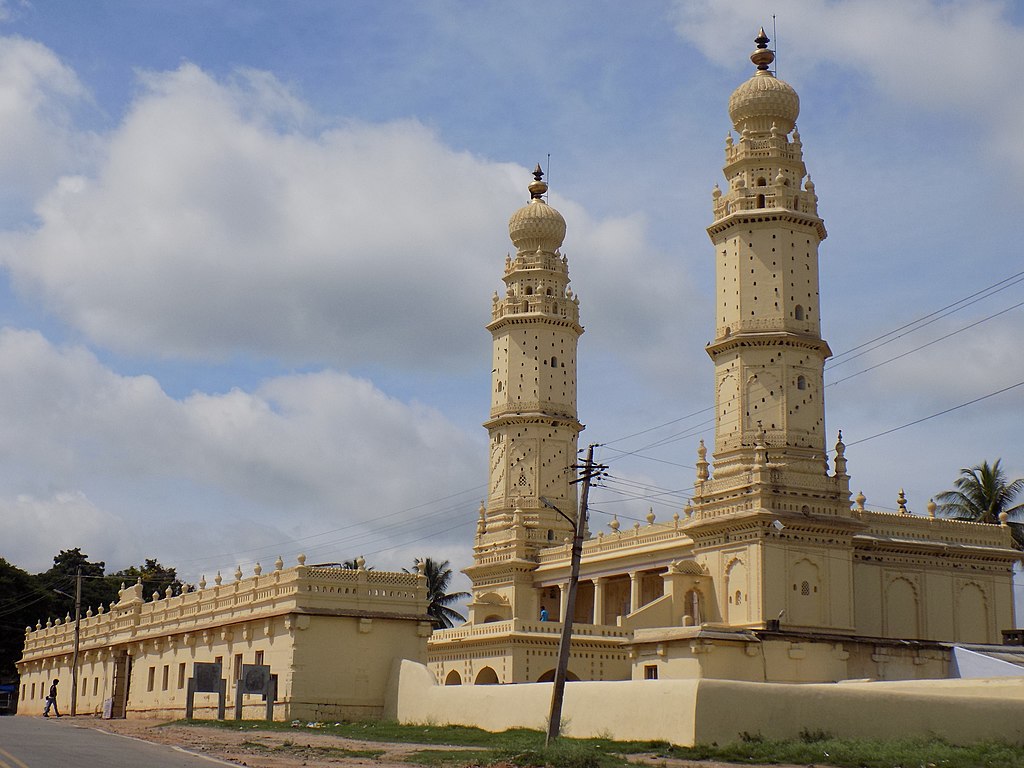
Masjid-i-Ala, also known as Jama Masjid, is a historic mosque located within the Srirangapatna Fort in Srirangapatna, Mandya District, Karnataka. Built in 1786?87 during the reign of Tipu Sultan, the mosque stands as a testament to the architectural and cultural legacy of his era.
The Srirangapatna Fort, believed to have been constructed in 1454 CE by Timmanna Nayaka, a ruler of the Vijayanagar Empire, has a rich and layered history. Over the centuries, the fort changed hands multiple times, being taken over by the Wodeyars in 1495, followed by control passing to the Nawab of Arcot, the Peshwas, and the Marathas. During the rule of Krishnaraja Wodeyar (1734?1766), the kingdom strengthened its military capabilities under the leadership of Hyder Ali, a prominent general who later took control of the kingdom. In 1782, Hyder Ali's son, Tipu Sultan, ascended to power and made significant fortifications to the fort. The fort became a site of strategic importance and faced multiple invasions by British forces during Tipu Sultan?s reign. Amidst his military campaigns and administrative reforms, Tipu Sultan constructed the Masjid-i-Ala, or Jama Masjid, in 1786?87 near his palace. The mosque is a fine example of Tipu Sultan?s architectural patronage and is characterized by its two tall minarets and elevated platform. The minarets are separated by three octagonal stages, with galleried balconies marking each stage. At the top of the minarets are turnip-shaped domes, adding to the mosque's grandeur. The interior of the mosque features a large rectangular prayer hall with a flat roof supported by foiled arches. A series of arched openings adorn the walls and minarets, creating a blend of aesthetic beauty and structural elegance. Interestingly, unlike many other mosques, Masjid-i-Ala does not have a central dome. The mosque also houses an old clock installed during the early 20th century. The mosque has three inscriptions, written in Persian, which mention the nine names of the Islamic prophet Muhammad and identify Tipu Sultan as the builder of the mosque. These inscriptions emphasize the religious significance of the mosque while also marking Tipu?s role as its creator. The mosque includes a Madrasa for Islamic learning and a cloister with rooms, serving both religious and educational purposes. In modern times, the Masjid-i-Ala is maintained and administered by the Bangalore Circle of the Archaeological Survey of India, ensuring its preservation as a historical and cultural monument. Despite its historical significance, the mosque has been a subject of controversy, with claims from Hindu right-wing groups suggesting that it was built over a Hanuman temple. However, the Persian inscriptions firmly establish Tipu Sultan as the original builder of the mosque, dismissing such allegations. Today, the Masjid-i-Ala stands as a symbol of Tipu Sultan?s architectural and cultural legacy, attracting visitors and scholars interested in its historical and artistic significance.
Year of Built: 18th Century
Address: Srirangapatna, Karnataka 571438
Country: India
State: Karnataka
District: Mandya
Pincode: 571438
Longitude: 76.704
Latitude: 12.414