
Indo Islamic Heritage


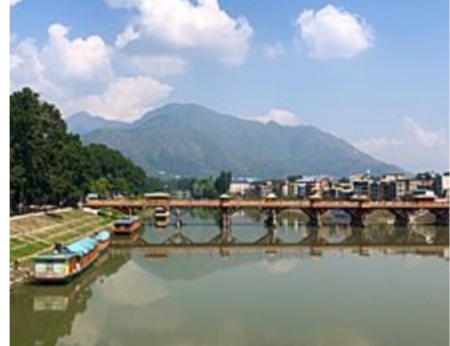
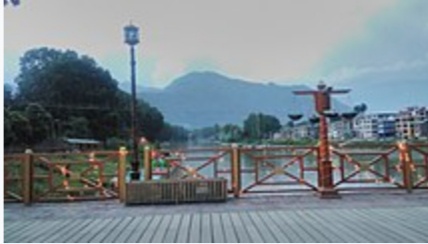
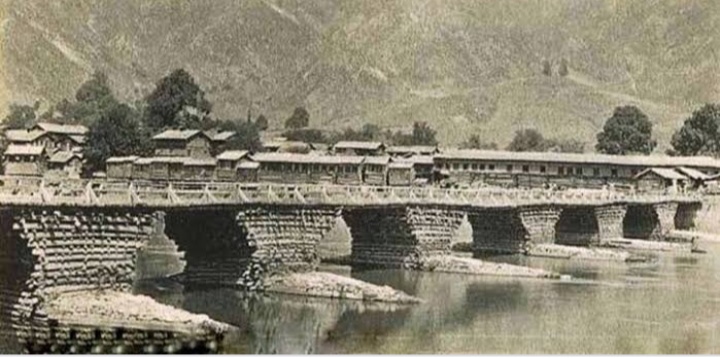
Zero Bridge, located in Srinagar, Jammu & Kashmir, is a historic wooden bridge that spans the Jhelum River. It connects the areas of Zero Bridge Colony and Lal Chowk, and it is named after the landmark "Zero Point" that marks the center of Srinagar's road network. This charming bridge offers an example of Kashmiri craftsmanship, featuring traditional wooden construction with arches. Despite its small size, Zero Bridge is a vital transport link for local residents. The bridge is also a beautiful example of the region's architectural heritage and is frequently visited by both locals and tourists.
Zero Bridge is an iconic wooden bridge situated in Srinagar, the summer capital of Jammu & Kashmir, India. It spans the Jhelum River and serves as a critical connecting point between the Zero Bridge Colony and Lal Chowk, two important areas in the city. The bridge is a beautiful example of traditional Kashmiri architecture and engineering, blending with the landscape of Srinagar's stunning natural surroundings. Zero Bridge is often recognized not just for its functionality, but also as a significant piece of the region's history and cultural heritage. The bridge was originally built in the 16th century during the reign of Sultan Haidar Shah, though some reports suggest that the present structure dates back to the late 19th or early 20th century, owing to reconstructions over the years. The name "Zero Bridge" is derived from its historical significance as a key reference point in Srinagar?s road network. It marks the ?Zero Point,? a term used to denote the central point from which roads radiate outward to other parts of the city and region. This location became a landmark for the city's layout and development. Zero Bridge is primarily known for its wooden construction, a characteristic feature of many historical bridges in the region. Unlike modern concrete or steel bridges, this structure consists of wooden beams and a wooden deck. Its traditional Kashmiri design features multiple arches that give the bridge its unique aesthetic. The arches are both functional and decorative, contributing to the stability of the structure while providing it with a graceful appearance that fits harmoniously into the surrounding landscape. The bridge serves an essential function in the day-to-day lives of the people of Srinagar. It connects the Zero Bridge Colony, a residential area, to Lal Chowk, one of the busiest commercial districts in the city. Lal Chowk is the economic and cultural hub of Srinagar, and the bridge provides vital access for residents, commuters, and visitors. Despite its practical importance, Zero Bridge has also become an attractive spot for tourists who are interested in the heritage of Srinagar and its traditional wooden structures. It offers a picturesque view of the Jhelum River and the surrounding area, making it an ideal location for photography. Tourists often visit the bridge to admire the craftsmanship and the tranquil setting that surrounds it. One of the most remarkable aspects of Zero Bridge is the preservation of traditional Kashmiri carpentry and building techniques. The intricate design of the wooden arches and the use of local materials showcase the craftsmanship that has been passed down through generations. The bridge serves as a reminder of the region?s architectural legacy, which is now increasingly at risk due to modernization. The city of Srinagar, with its many historic bridges, continues to value Zero Bridge as a cultural landmark. In recent years, efforts have been made to preserve and maintain the bridge, ensuring that this piece of Kashmiri heritage remains intact for future generations. Though the bridge is relatively small compared to some of the more famous landmarks in Srinagar, it remains an essential part of the city's identity and history. Zero Bridge, with its timeless design, historical significance, and role in daily life, continues to be an important part of Srinagar's fabric. It exemplifies the beauty and functionality of traditional Kashmiri architecture, offering a connection to the past while serving the present needs of the community.
Year of Built: 16th Century (Reconstructed in the 19th/20th Century)
Address: Zero Bridge, Srinagar, Jammu & Kashmir, India
Country: India
State: Jammu and Kashmir
District: Srinagar
Pincode: 190001
Longitude: 74.7920
Latitude: 34.0874