
Indo Islamic Heritage


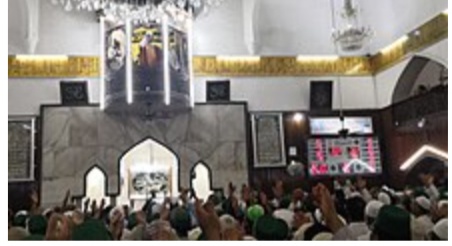
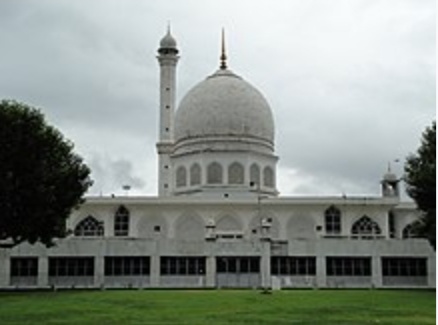
Hazratbal Dargah, located in Srinagar, Jammu & Kashmir, is one of the most revered Muslim shrines in India. It houses a relic believed to be the hair strand of the Prophet Muhammad. The Dargah, built in the 17th century, stands on the northern shores of Dal Lake and is an iconic architectural and spiritual landmark. The serene location, combined with its religious significance, attracts both devotees and tourists. Hazratbal is a symbol of peace and devotion, and its beautiful white marble structure offers a tranquil space for prayer and reflection.
Hazratbal Dargah, situated on the northern banks of the famous Dal Lake in Srinagar, Jammu & Kashmir, holds immense religious significance for Muslims in the region. The Dargah is renowned as a revered site for Muslims across India, primarily due to the relic it houses: a hair strand of the Prophet Muhammad, known as the "Hair of Prophet." The Dargah stands as an embodiment of spiritual devotion, attracting millions of pilgrims who come to pay homage to the revered relic and seek blessings. The construction of Hazratbal Dargah was initiated in 1623 under the rule of Sultan Zain-ul-Abidin, also known as "Badshah," one of Kashmir's most celebrated rulers. However, the structure that stands today was completed in 1672 during the reign of Dara Shikoh, the eldest son of the Mughal Emperor Shah Jahan. It was originally built as a modest mosque and later converted into a Dargah to house the sacred relic of the Prophet Muhammad. The name "Hazratbal" translates to "the noble place" in Urdu, highlighting the spiritual significance of this sacred site. The Hazratbal Dargah is known for its stunning architectural beauty. The structure is made of white marble and is designed in a traditional Kashmiri style. Its domed roof and large prayer hall are particularly impressive, and the Dargah?s pristine location on the shores of Dal Lake adds to its charm. The serene atmosphere, surrounded by the calm waters of Dal Lake and the majestic Himalayas in the backdrop, makes Hazratbal a peaceful place for meditation and reflection. The relic that the Dargah houses is one of the major draws for pilgrims. Known as "Moi-e-Muqqadas," the hair strand of Prophet Muhammad is believed to have been brought to Kashmir during the Mughal era. Over the centuries, it has been kept in Hazratbal Dargah and is displayed to the public on special religious occasions, including the holy month of Ramadan and Eid. The relic is a symbol of piety, and devotees from across the region visit to seek blessings and express their devotion. Apart from its religious importance, Hazratbal Dargah has played a vital role in the history of Kashmir. It is a symbol of Kashmir's rich Islamic heritage and culture. The Dargah has been a center for the spiritual and religious education of the region?s Muslim community. The peaceful environment surrounding the Dargah fosters a sense of unity and devotion, making it an important center for communal harmony and interfaith understanding in Kashmir. The Dargah also plays a central role in the annual celebrations of Eid and other important Islamic festivals. Pilgrims gather in large numbers to participate in prayers and to commemorate the events of Islamic history. On these occasions, the shrine is beautifully lit, and large crowds can be seen gathered to offer their respects. Hazratbal Dargah has become one of the most important religious landmarks in Jammu & Kashmir, attracting people from all walks of life. It remains a symbol of spiritual tranquility, cultural pride, and religious devotion, representing the rich Islamic heritage of the Kashmir Valley.
Year of Built: 1672 (Reconstructed and expanded in subsequent years)
Address: Hazratbal Dargah, Srinagar, Jammu & Kashmir, India
Country: India
State: Jammu and Kashmir
District: Srinagar
Pincode: 190006
Longitude: 74.8315
Latitude: 34.1510