
Indo Islamic Heritage


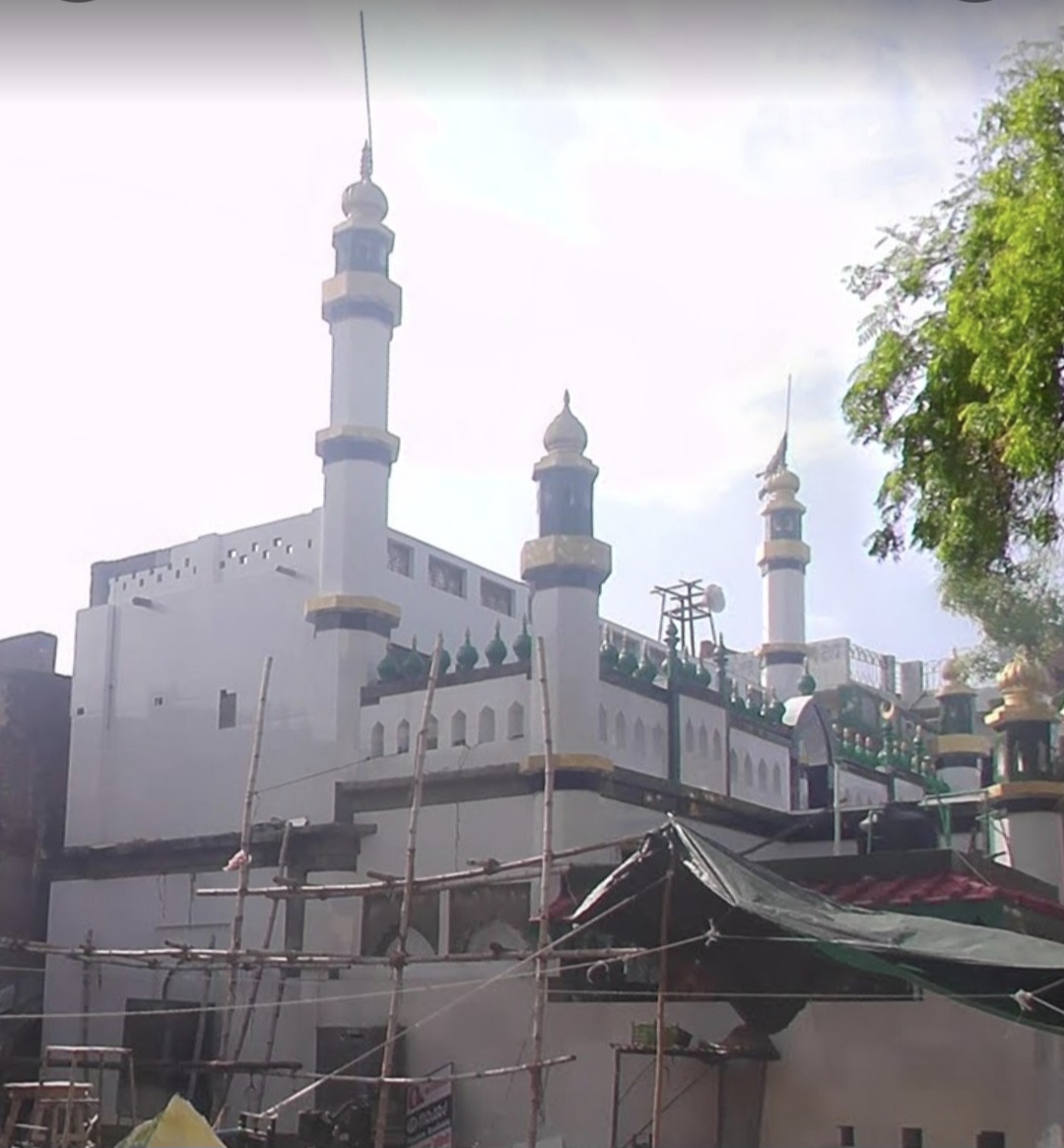
Minhaj-ul-Quran International (MQI) India, Fatehpur branch, is a local center of the global Islamic organization Minhaj-ul-Quran International, founded in 1980 by Shaykh-ul-Islam Dr. Muhammad Tahir-ul-Qadri in Pakistan. It serves as a community hub promoting moderate Islamic teachings, education, peace, and spiritual guidance in line with Sufi traditions.
Fatehpur in Uttar Pradesh is home to several notable Islamic heritage sites, most famously the UNESCO World Heritage-listed Jama Masjid (also known as Jami Masjid) in nearby Fatehpur Sikri. Built by Mughal Emperor Akbar between 1571 and 1575 CE, it is one of India's largest mosques from the Mughal era, constructed in honor of the Sufi saint Sheikh Salim Chishti. The complex includes the saint's white marble tomb (Dargah Salim Chishti), intricate carvings, and the iconic Buland Darwaza gateway. This site exemplifies grand Mughal architecture blending Persian, Indian, and Islamic elements, attracting pilgrims and tourists for its historical and spiritual significance. In contrast, the Minhaj-ul-Quran International center in Fatehpur represents a contemporary addition to the region's Islamic landscape. As part of Minhaj-ul-Quran International India (established around 2013 as a formal entity, though the global organization dates to 1980), this branch operates in a local residential area. It emphasizes modern Islamic scholarship, women's empowerment, education through study centers, and promotion of peace and tolerance.
Year of Built: Not Available
Address: House No. 32-A Pani Mohalla, Fatehpur, Uttar Pradesh 212601
Country: India
State: Uttar Pradesh
District: Fatehpur
Pincode: 212601
Longitude: 80.809998° E
Latitude: 25.920074° N