
Indo Islamic Heritage


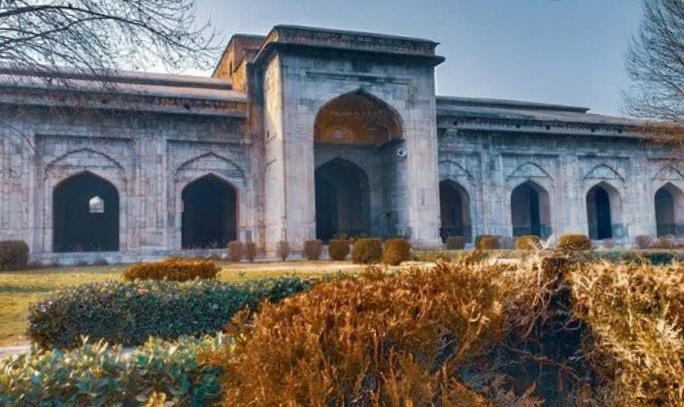
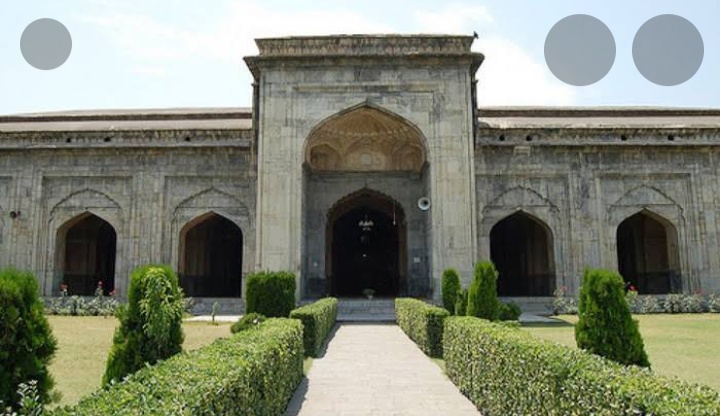
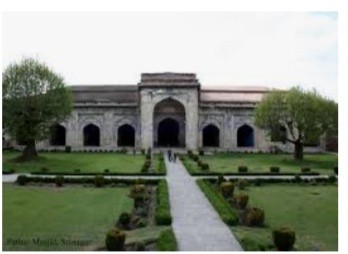
Pathar Masjid, located in Srinagar, Jammu & Kashmir, is an elegant structure built during the Mughal era. Known for its architectural brilliance, it was constructed by Nur Jahan, the wife of Emperor Jahangir, in the early 17th century. The mosque is built entirely of stone, which is a unique feature compared to other wooden structures in Kashmir. The mosque?s simple yet majestic appearance and serene surroundings make it an important religious and historical site in Srinagar. It offers a peaceful place of worship and reflection amidst the hustle and bustle of the city.
Pathar Masjid, located in the heart of Srinagar, Jammu & Kashmir, is one of the most beautiful and unique mosques in the region. Built during the Mughal era, it stands as an architectural testament to the artistic brilliance of that period. The mosque holds a special place in the history of Kashmir and is particularly significant due to its distinct construction, being made entirely of stone, unlike many other structures in the area that are primarily made of wood. The mosque was commissioned by Nur Jahan, the wife of the Mughal Emperor Jahangir, in the early 17th century. It is believed to have been completed in the year 1623. The name Pathar Masjid, which translates to "Stone Mosque," is derived from the fact that the entire structure is made of stone, unlike most Kashmiri mosques that typically feature wooden construction. This makes it one of the few stone-built mosques in the region and contributes to its unique charm. The mosque is a fine example of Mughal architecture, blending Islamic and Persian architectural influences with the local Kashmiri style. The simple yet grand design features a rectangular prayer hall, a wide open courtyard, and a large central dome. The arches, pillars, and windows are finely crafted, with inscriptions in Arabic adorning the walls. The architectural style emphasizes symmetry, proportion, and a sense of tranquility, offering an ideal environment for prayer and meditation. One of the distinctive features of Pathar Masjid is its clean, minimalistic design. While other Mughal mosques often showcase intricate embellishments, the Pathar Masjid has a more understated elegance, with smooth stone surfaces and relatively few ornamental details. This simplicity adds to the spiritual ambiance, making it a peaceful and reflective space for worshippers. The mosque?s spacious courtyard provides a serene space for visitors to sit and reflect, and its location near the famous Shankaracharya Hill gives it a scenic backdrop. The surrounding area offers a quiet respite from the bustling city of Srinagar, and the mosque remains an important place of worship for the local Muslim community. Though not as well-known as other mosques in Srinagar, such as the Jamia Masjid or Hazratbal Shrine, Pathar Masjid holds deep cultural and religious significance for the people of Srinagar. It continues to serve as a place for daily prayers, Friday congregational prayers, and various religious activities. The historical significance of Pathar Masjid goes beyond its religious importance. As a structure commissioned by Nur Jahan, one of the most powerful women in Mughal history, the mosque also represents the legacy of women in Mughal governance and patronage. This adds an additional layer of historical interest for visitors. Today, Pathar Masjid remains an important religious site, welcoming worshippers and tourists alike who come to admire its architectural beauty and spiritual serenity. It is a must-visit destination for those interested in exploring the rich cultural and religious heritage of Kashmir.
Year of Built: 1623 (Early 17th Century)
Address: Pathar Masjid, Srinagar, Jammu & Kashmir, India
Country: India
State: Jammu and Kashmir
District: Srinagar
Pincode: 190001
Longitude: 74.8209
Latitude: 34.0901