
Indo Islamic Heritage


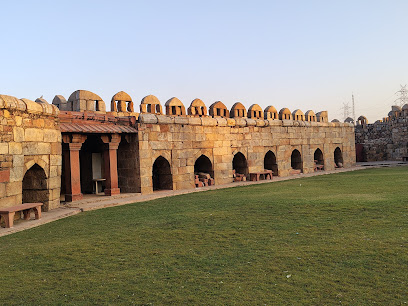
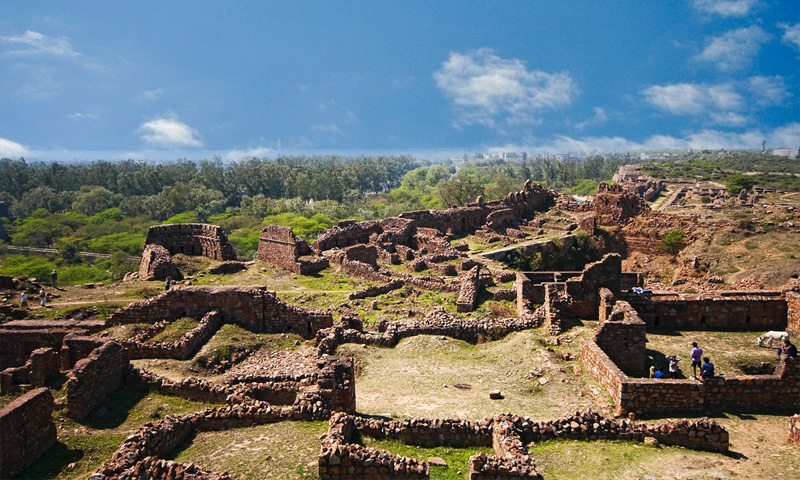
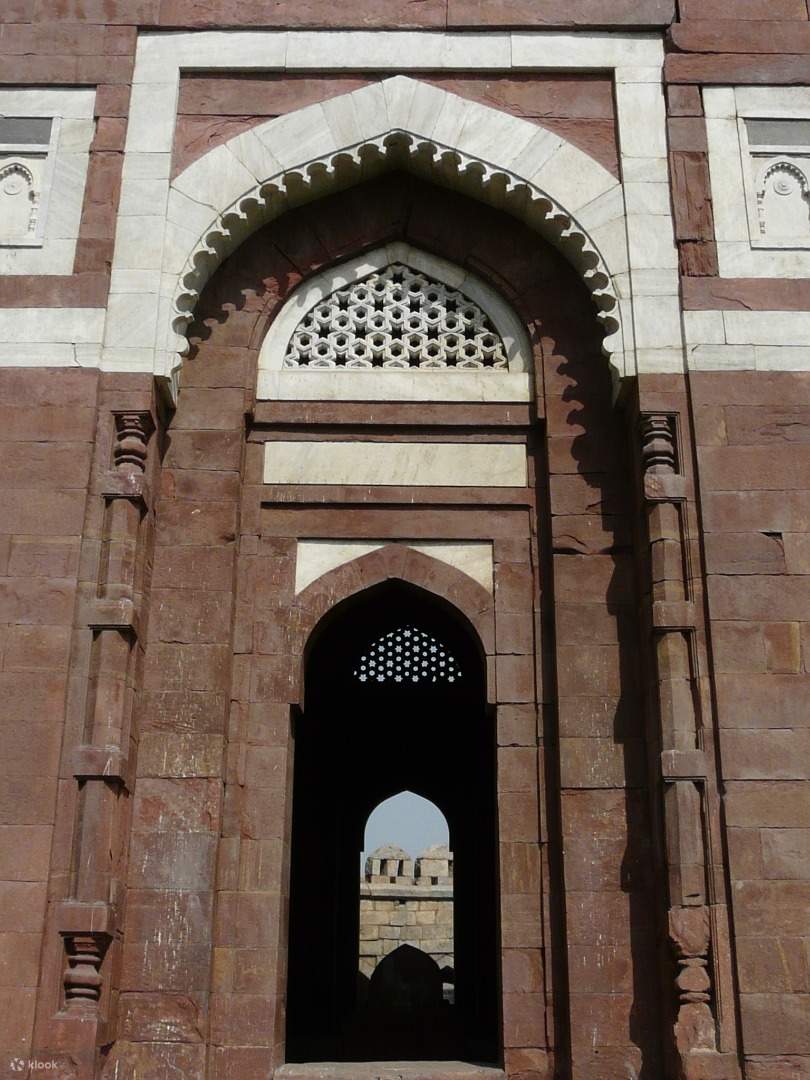
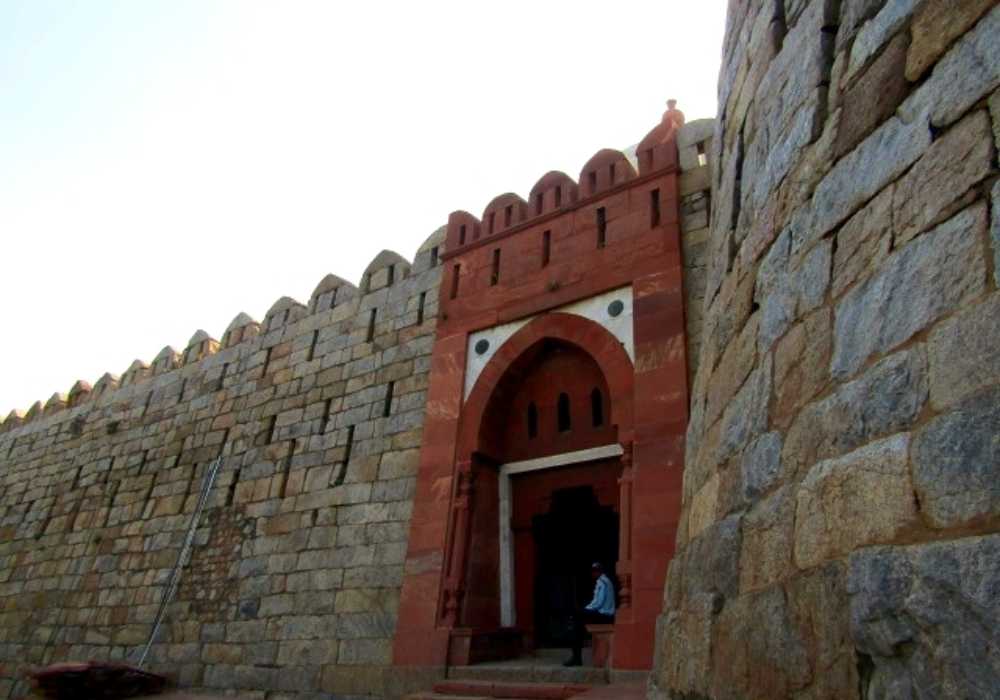
Tughlaqabad Fort is a historic fort in Delhi, India, built in the 14th century by Ghiyas-ud-din Tughlaq, the founder of the Tughlaq dynasty, to serve as the capital of his empire The Nearest Bus Stand- is Tughlaqabad Village, a 13-minute walk. The Nearest Metro Station - Tughlakabad, 39 min walk Nearest Railway Station- New Delhi Railway Station Nearest Airport- IGI
Ghazi Malik, a feudatory of the Khalji rulers of Delhi, was instrumental in establishing the Tughlaq dynasty. The Khalji dynasty, a Turco-Afghan lineage, ruled over India before Ghazi Malik ousted them in 1321. Upon assuming the title of Ghias-ud-din Tughlaq, he envisioned building a magnificent yet impregnable city fortress to safeguard against Mongol invasions. This vision materialized as Tughluqabad, but its construction and legacy were marred by challenges and curses that shaped its fate. The Curse of Nizamuddin Auliya Ghias-ud-din Tughlaq's obsession with constructing Tughluqabad led him to conscript all available labourers in Delhi, halting the work on Nizamuddin Auliya's baoli (step-well). This infuriated the revered 13th-century Sufi saint, resulting in a legendary confrontation. The saint, angered by the emperor's actions, is believed to have cursed the city and the ruler, famously saying, "Hunuz Dilli door ast" (Delhi is still far away). This curse has echoed through history, adding a mystical dimension to the fall of Tughluqabad. The Tragic Death of Ghias-ud-din Tughlaq While on a victorious campaign in Bengal, Ghias-ud-din Tughlaq?s life came to an abrupt and tragic end. Upon his return, he was met by his son, Muhammad bin Tughlaq, at Kara in Uttar Pradesh. Allegedly, at the prince?s behest, a shamiana (tent) was engineered to collapse on the emperor, crushing him to death in 1324. This event marked a turning point in the dynasty and sealed the legacy of Tughluqabad. The Architectural Marvel of Tughluqabad Tughluqabad remains a testament to the grandeur and ambition of its founder. The city was fortified with massive stone walls, sloping rubble-filled constructions, and battlemented parapets rising 10?15 meters high. Circular bastions, some two stories tall, provided additional fortification. Once boasting 52 gates, only 13 stand today, bearing witness to its historical significance. Encompassing a 6.4-kilometer perimeter, the city included seven rainwater tanks and was strategically designed in a half-hexagonal shape with a 2.4-kilometer base. Despite its decay, Tughluqabad remains an architectural marvel, symbolizing both the vision and the hubris of its creator. Ghazi Malik, a feudatory of the Khalji rulers of Delhi, was instrumental in establishing the Tughlaq dynasty. The Khalji dynasty, a Turco-Afghan lineage, ruled over India before Ghazi Malik ousted them in 1321. Upon assuming the title of Ghias-ud-din Tughlaq, he envisioned building a magnificent yet impregnable city-fortress to safeguard against Mongol invasions. This vision materialized as Tughluqabad, but its construction and legacy were marred by challenges and curses that shaped its fate. The Curse of Nizamuddin Auliya Ghias-ud-din Tughlaq's obsession with constructing Tughluqabad led him to conscript all available laborers in Delhi, halting the work on Nizamuddin Auliya's baoli (step-well). This infuriated the revered 13th-century Sufi saint, resulting in a legendary confrontation. The saint, angered by the emperor's actions, is believed to have cursed the city and the ruler, famously saying, "Hunuz Dilli door ast" (Delhi is still far away). This curse has echoed through history, adding a mystical dimension to the fall of Tughluqabad. The Tragic Death of Ghias-ud-din Tughlaq While on a victorious campaign in Bengal, Ghias-ud-din Tughlaq?s life came to an abrupt and tragic end. Upon his return, he was met by his son, Muhammad bin Tughlaq, at Kara in Uttar Pradesh. Allegedly, at the prince?s behest, a shamiana (tent) was engineered to collapse on the emperor, crushing him to death in 1324. This event marked a turning point in the dynasty and sealed the legacy of Tughluqabad. The Architectural Marvel of Tughluqabad Tughluqabad remains a testament to the grandeur and ambition of its founder. The city was fortified with massive stone walls, sloping rubble-filled constructions, and battlemented parapets rising 10?15 meters high. Circular bastions, some two stories tall, provided additional fortification. Once boasting 52 gates, only 13 stand today, bearing witness to its historical significance. Encompassing a 6.4-kilometer perimeter, the city included seven rainwater tanks and was strategically designed in a half-hexagonal shape with a 2.4-kilometer base. Despite its decay, Tughluqabad remains an architectural marvel, symbolizing both the vision and the hubris of its creator.
Year of Built: 1321 CE
Address: Tughlakabad, New Delhi, Delhi
Country: India
State: Delhi
District: South Delhi
Pincode: 110044
Longitude: 77' 15' 23.40
Latitude: 28' 30' 25.79