
Indo Islamic Heritage


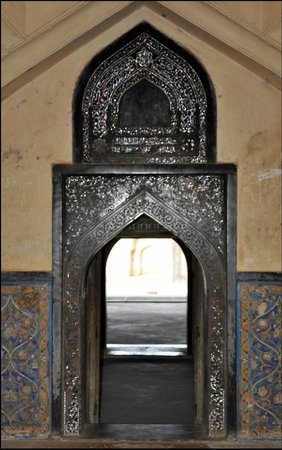
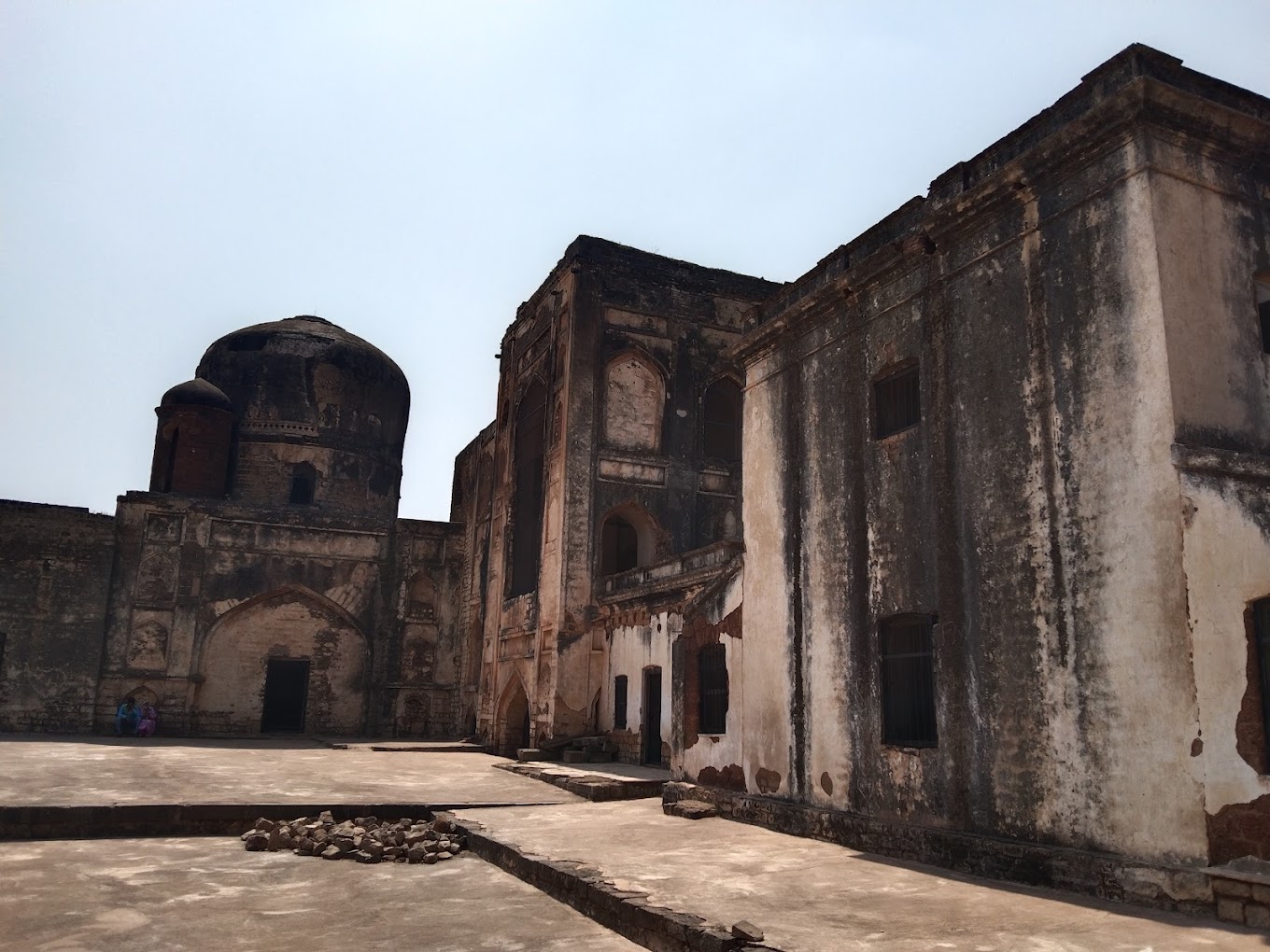
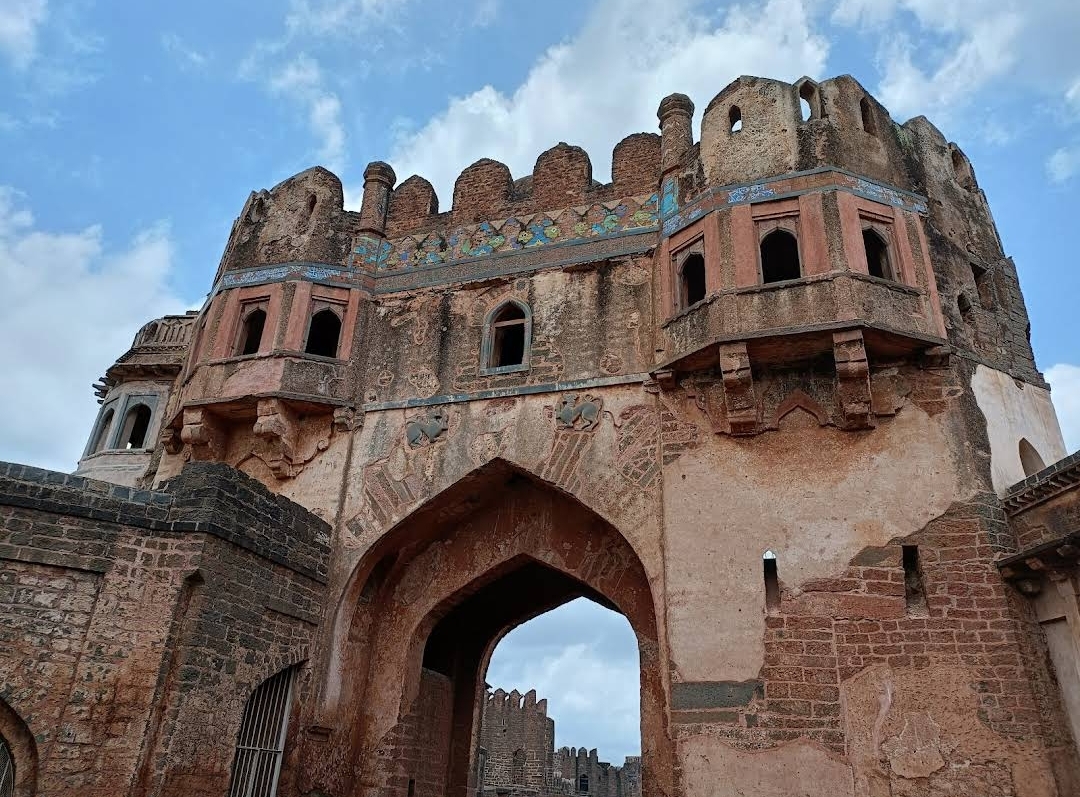
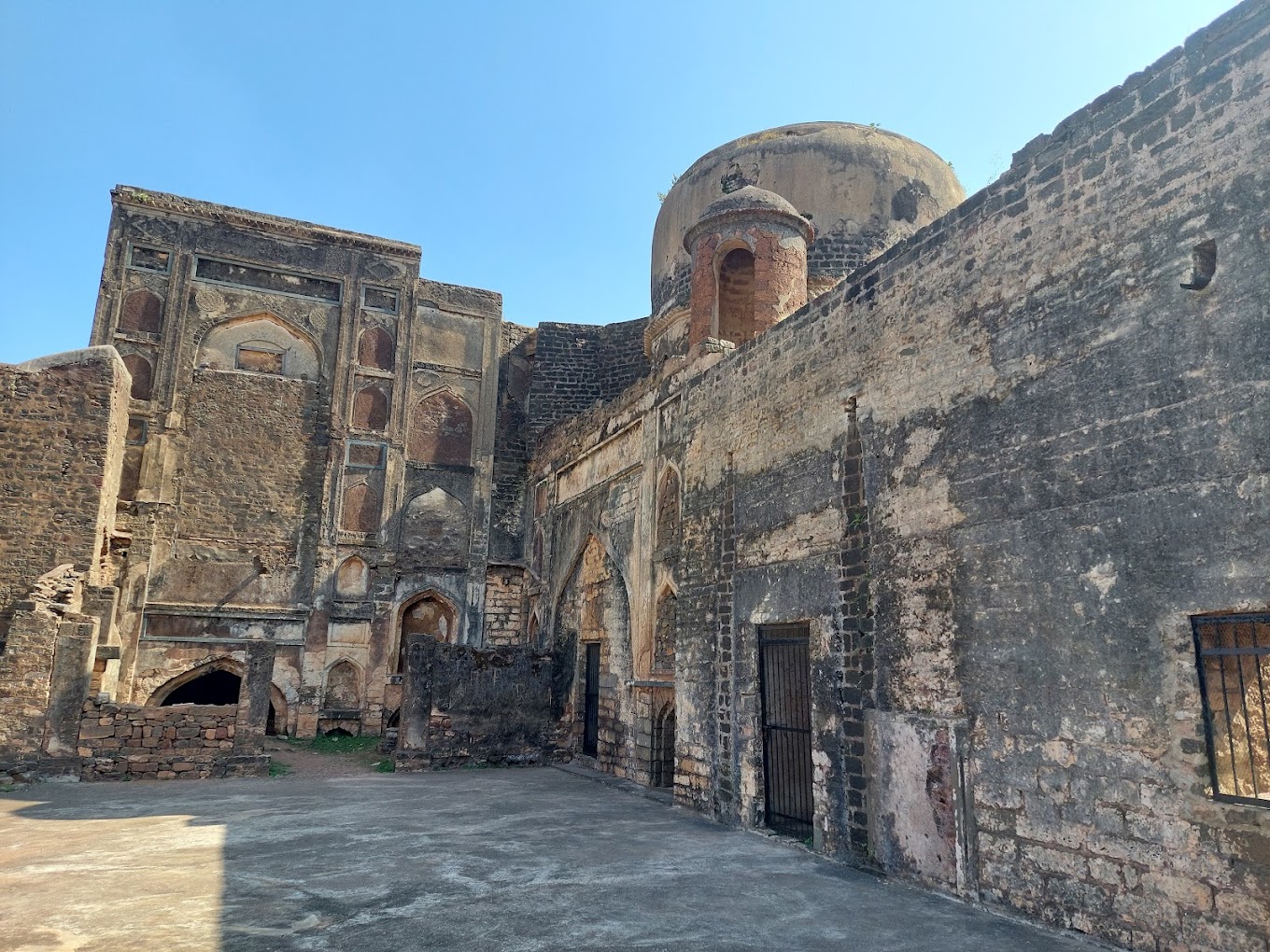
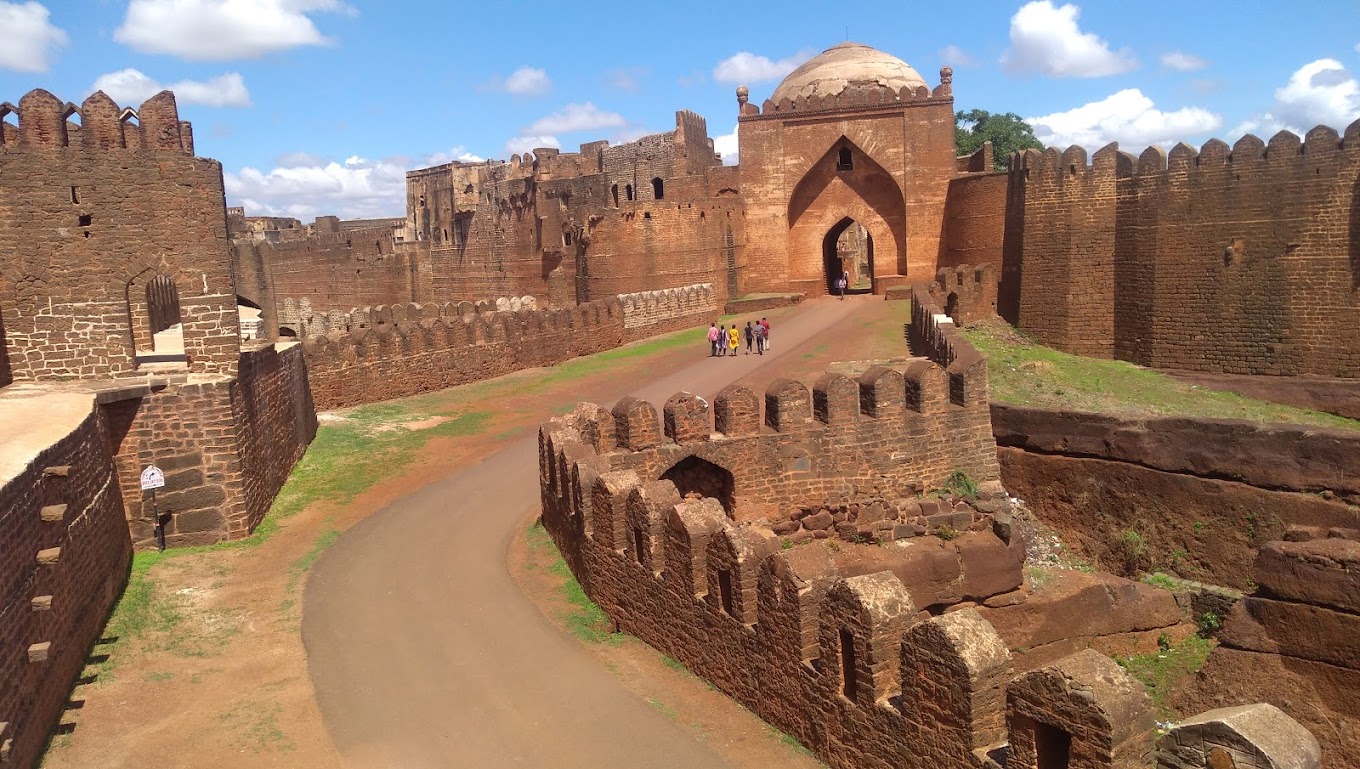
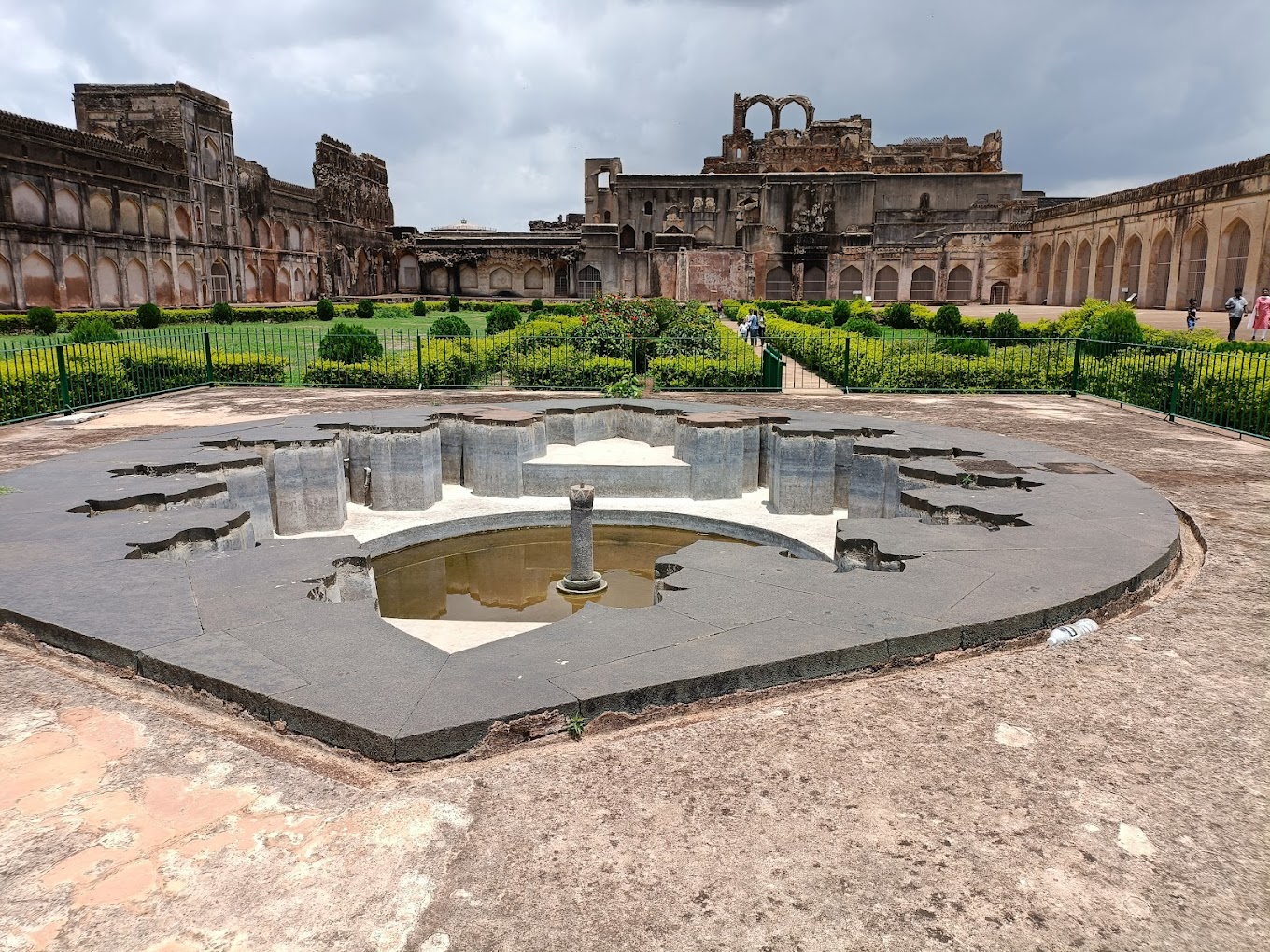
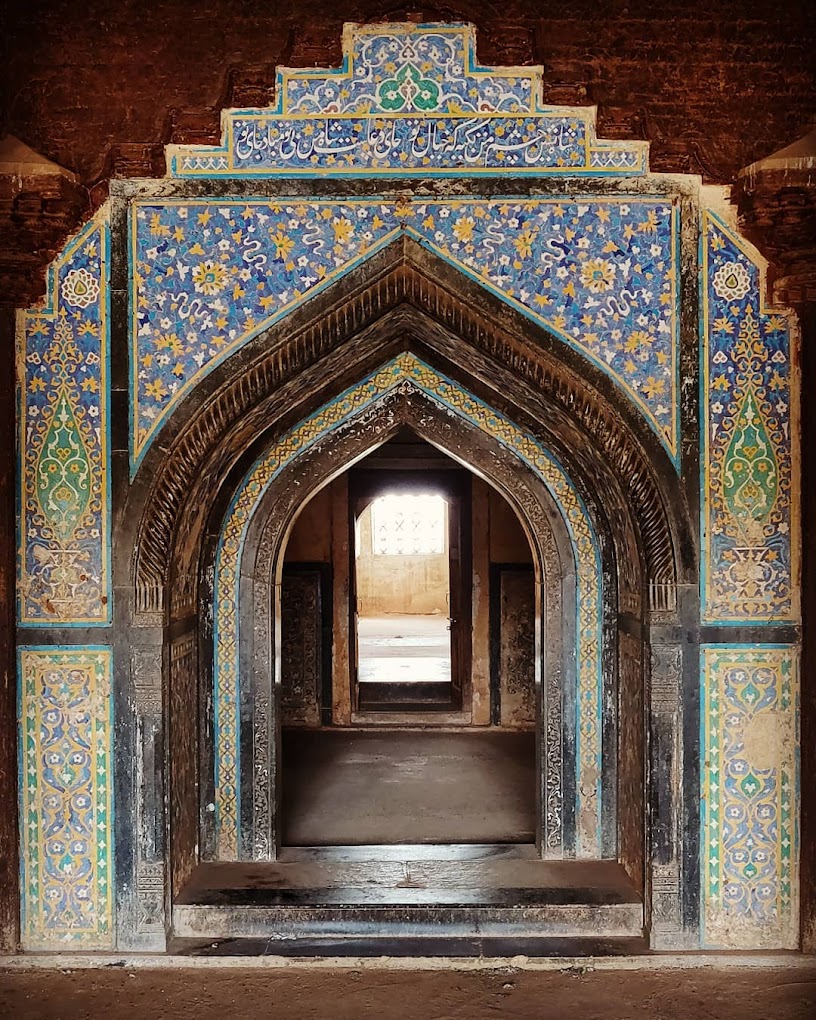
The Rangin Mahal, or "Colored Palace," is a historical site renowned for its vibrant architectural design. Its name originates from the colorful tiles that once adorned its walls, with traces of these hues still visible on the facade of the eastern halls. The palace is located near the Gumbad Darwaza, where a royal tower, possibly built by Ahmad Shah Wall during the fort's construction (1429-1432), has stood. This tower, known as the Shah Burj, served as a vantage point from which the Bahmani kings would often review their troops gathered outside the fort. In 1487 (892 Hijri), during a period of unrest when Abyssinians and Deccanis revolted against Mahmud Shah Bahmani and attempted to assassinate him, the king sought refuge in the Shah Burj. Though the rebels were eventually punished, Mahmud Shah saw the tower as a symbol of divine protection after escaping unscathed. He decided to commemorate his narrow escape by building a grand palace nearby. Later, in the 16th century, 'Ali Barid (1542-1580) renovated the southern apartments of the palace, embellishing them with intricate wood-carvings and mother-of-pearl inlay work, further enhancing the palace?s splendor.
The Rangin Mahal, or the ?Colored Palace?, derives its name from the vibrant tiles that once adorned its walls, reflecting a wide spectrum of colors. Although much of this original decoration has faded over time, traces of these colorful tiles can still be seen on the facade of the eastern halls, giving us a glimpse into the palace?s former splendor. The palace is located near the Gumbad Darwaza, and it is believed that a royal tower has stood in this area since the construction of the fort by Ahmad Shah Wall between 1429 and 1432. This tower, known as the Shah Burj, served as an important structure during the Bahmani Sultanate. The tower was a strategic vantage point from which the Bahmani kings frequently reviewed their troops, who would assemble outside the gates of the fort. The tower?s historical significance was further cemented in 1487 (892 Hijri), when Mahmud Shah Bahmani sought refuge in the Shah Burj during a revolt by a group of Abyssinians and Deccanis who sought to assassinate him. After the rebels were defeated and punished, Mahmud Shah, deeply moved by the protection the tower had offered him, considered the shelter of the Shah Burj to be a sign of divine favor. This led him to commission the construction of a magnificent palace in close proximity to the tower as a mark of his survival and gratitude. In the later years, specifically between 1542 and 1580, ?Ali Barid, a ruler of the region, undertook renovations of the southern apartments of the palace. Under his reign, the apartments were adorned with elaborate wood-carving and exquisite mother-of-pearl work, adding even more opulence to the already impressive structure. These embellishments not only enhanced the palace?s aesthetic appeal but also served as a testament to the craftsmanship and cultural richness of the period. The Rangin Mahal, through its history, serves as a symbol of resilience, royal patronage, and artistic brilliance.
Year of Built: 15th Century
Address: Ground Fort Area, Bidar, Karnataka
Country: India
State: Karnataka
District: Bidar
Pincode: 585401
Longitude: 77.5297
Latitude: 17.9208