
Indo Islamic Heritage


2.jpeg)
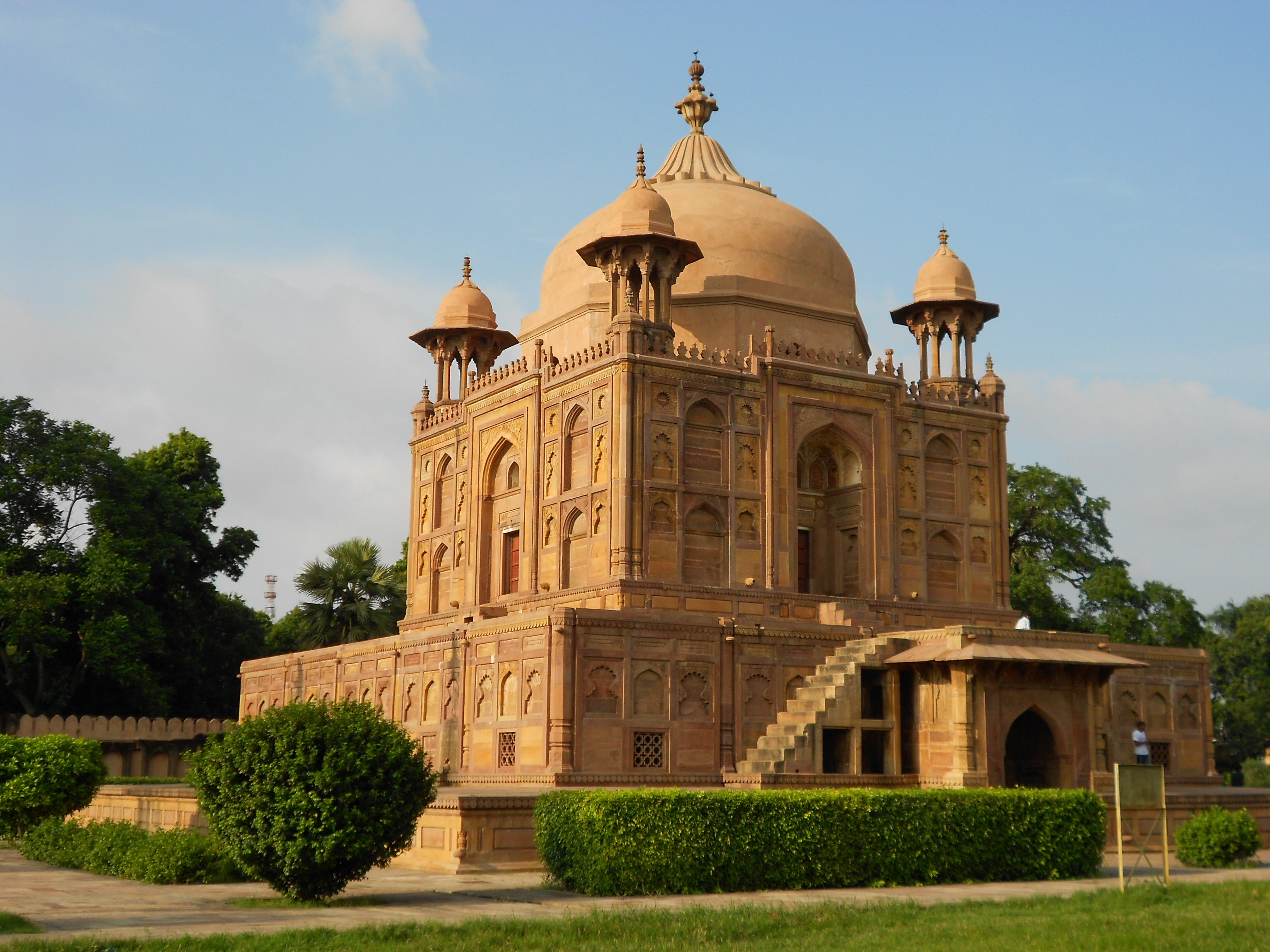
Khusro Bagh: A Monument of Mughal Grandeur and History Khusro Bagh, located in Khuldabad, near the Prayagraj Junction railway station, is a sprawling 40-acre walled garden and a historically significant Mughal-era burial complex. Nearest Railway Station: Prayagraj Junction (within walking distance). Nearest Airport: Prayagraj Airport (approx. 12 km). Nearest Bus Stand: Civil Lines Bus Stand (approx. 3 km).
Khusro Bagh, located in Khuldabad, near the Prayagraj Junction railway station, is a sprawling 40-acre walled garden and a historically significant Mughal-era burial complex. This quadrangular complex, listed as an Indian Site of National Importance, is a stunning example of Mughal architecture, blending history, art, and nature. Historical Background The complex houses the tombs of Shah Begum, Khusrau Mirza, and Nithar Begum, each intricately designed and rich in historical significance. Shah Begum (Manbhawati Bai): She was the Rajput wife of Emperor Jahangir and the daughter of Raja Bhagwant Das of Amber. Shah Begum was the mother of Khusrau Mirza, the heir apparent to the Mughal throne. Her tomb, the first in the complex, reflects simple yet elegant Mughal architectural styles. Khusrau Mirza: The eldest son of Jahangir, Khusrau was imprisoned in the garden in 1606 after rebelling against his father. Following an attempt to escape, Jahangir ordered him to be blinded. In 1622, he was killed on the instructions of his brother, Prince Khurram (later Emperor Shah Jahan). His tomb, built in 1622, features intricate fretwork windows and is adjacent to the tomb of his mare. Nithar Begum (Sultan-un-Nissa): Khusrau?s sister and Jahangir?s daughter, Nithar Begum?s tomb lies on an elevated platform and is the most elaborate structure in Khusro Bagh. Built on her instructions in 1624-25, the tomb features panels with scalloped arch motifs and floral decorations, showcasing Persian influences. The ceilings of the rooms below the plinth are painted with stars arranged in concentric circles. However, the tomb remains empty, as her body was never interred there. Khusro Bagh is an exquisite example of Mughal architecture, blending simplicity and grandeur. Key highlights include: Sandstone structures with intricate carvings. Scalloped arch motifs, floral decorations, and fretwork windows. Persian-inspired art: Depictions of cypresses, wine vessels, and flowers on the tomb interiors. Elaborate painted ceilings with celestial patterns. The serene garden serves as a perfect backdrop to the mausoleums, enhancing the beauty of the site. During the Indian Revolt of 1857, Khusro Bagh became the headquarters of sepoys under Maulvi Liaquat Ali, who declared himself the Governor of liberated Prayagraj. However, the British swiftly suppressed the rebellion, retaking the garden within two weeks. Khusro Bagh is a hidden gem of Prayagraj, merging history, art, and spirituality in a way few sites can.
Year of Built: 1622-1624
Address: CRRC+WC3, Lukarganj, Prayagraj, Uttar Pradesh 211016
Country: India
State: Uttar Pradesh
District: Allahabad
Pincode: 211016
Longitude: 81.8411? E.
Latitude: 25.4486? N