
Indo Islamic Heritage


.jpg)
.jpg)
.jpg)
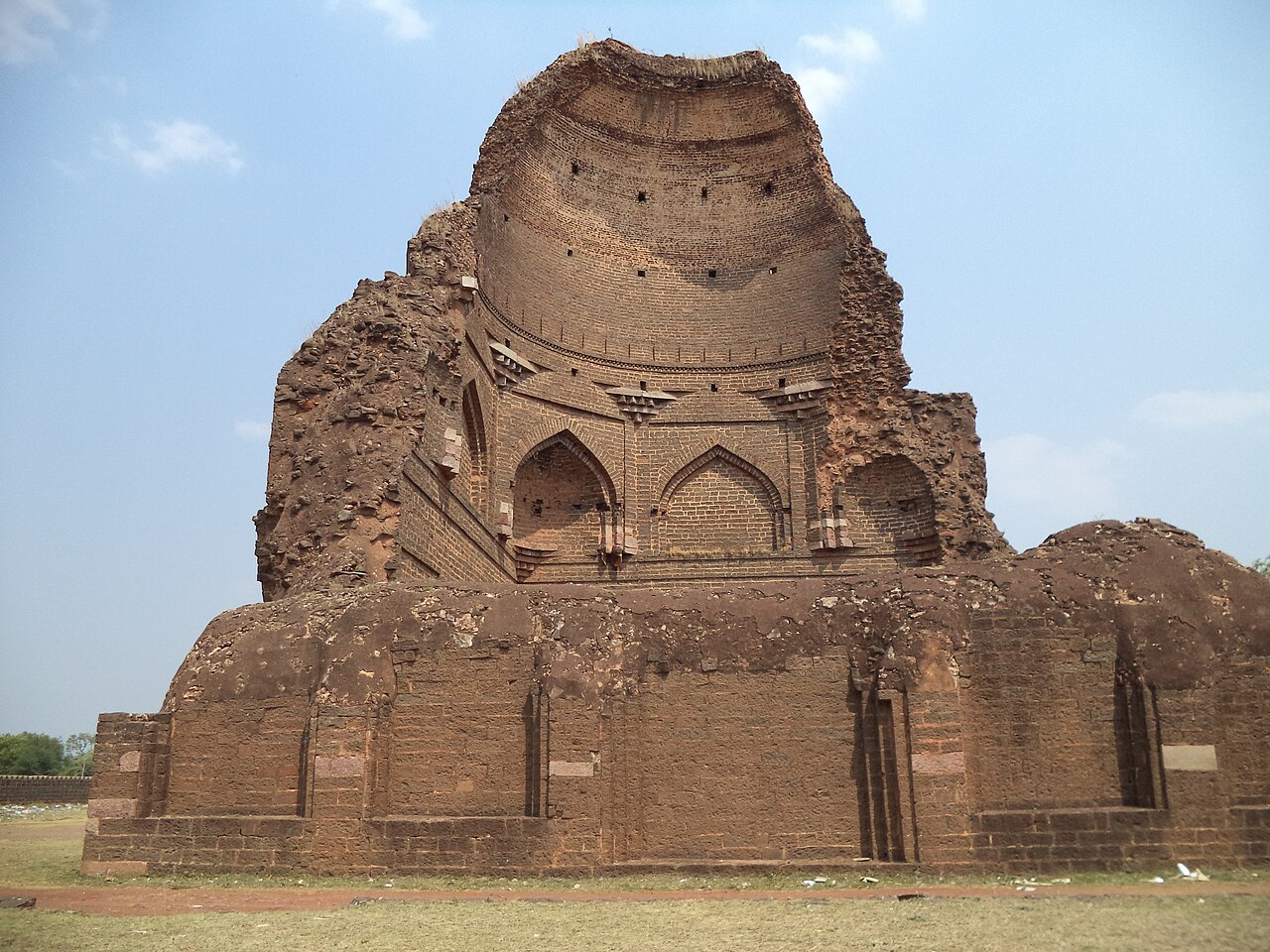
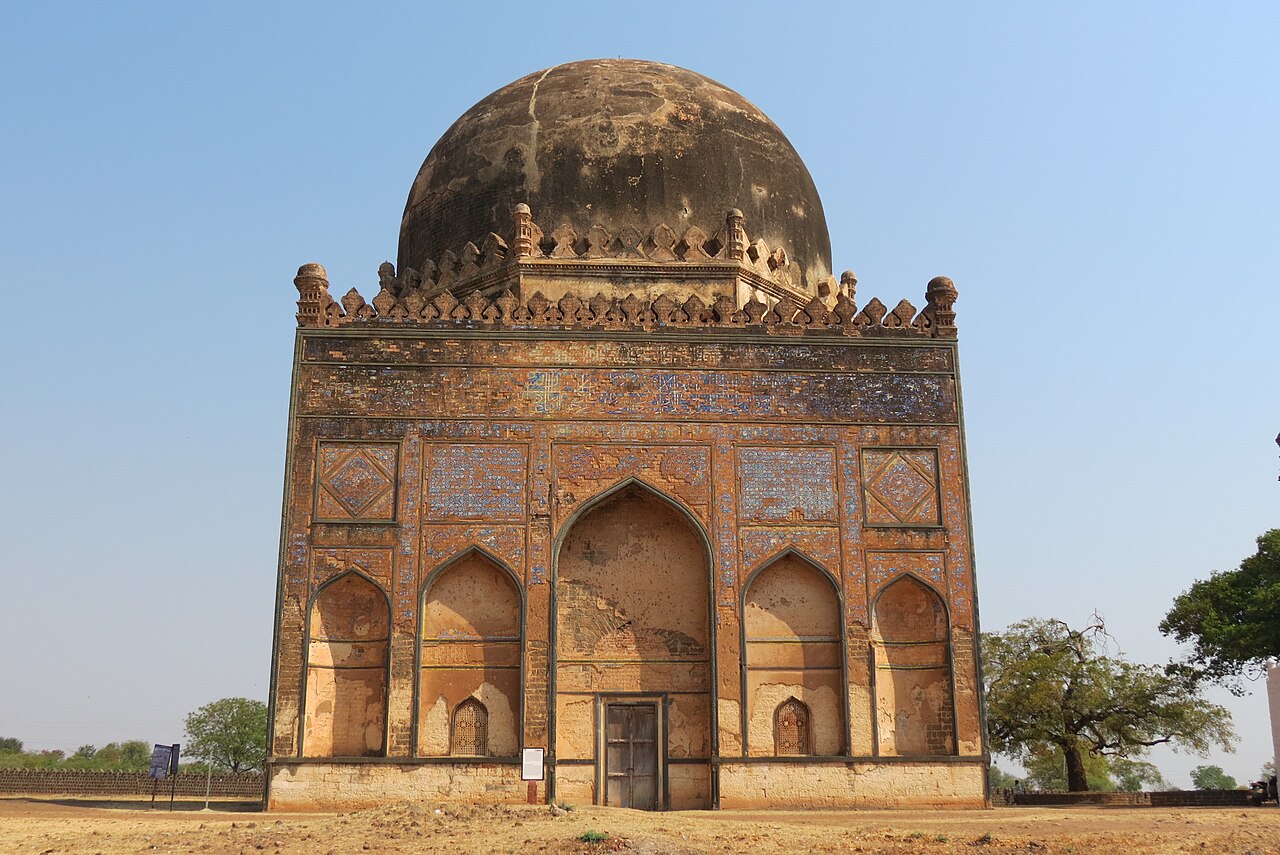
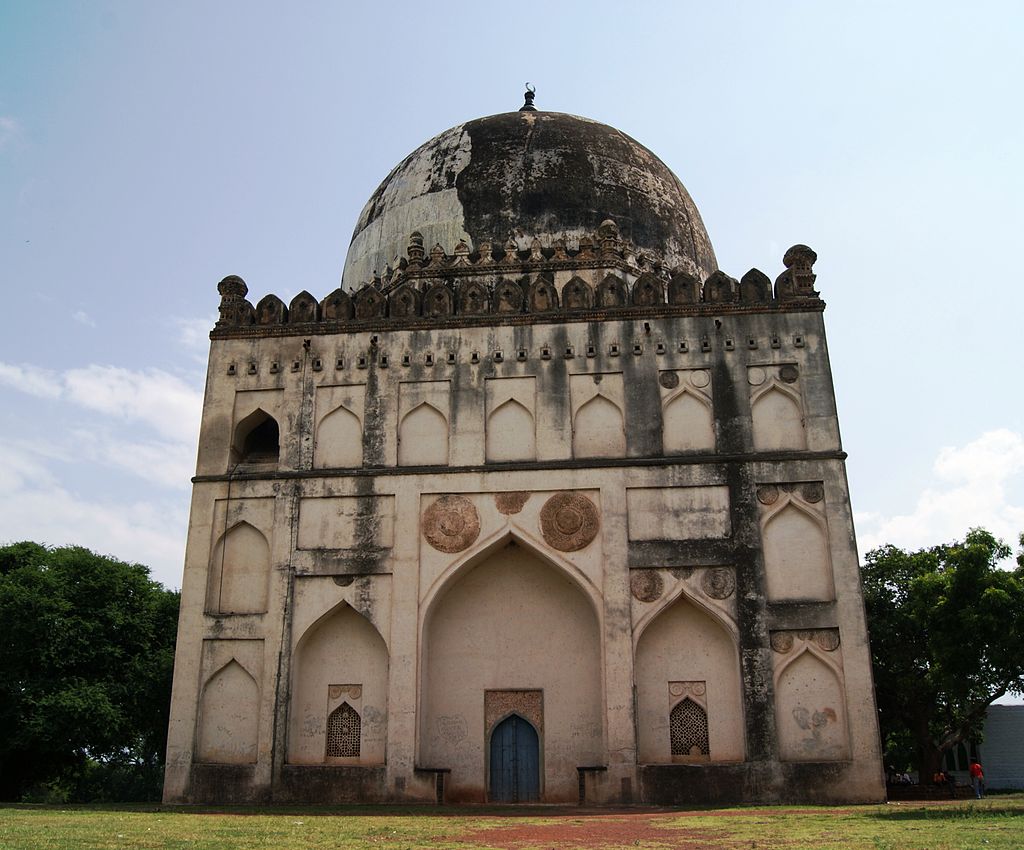
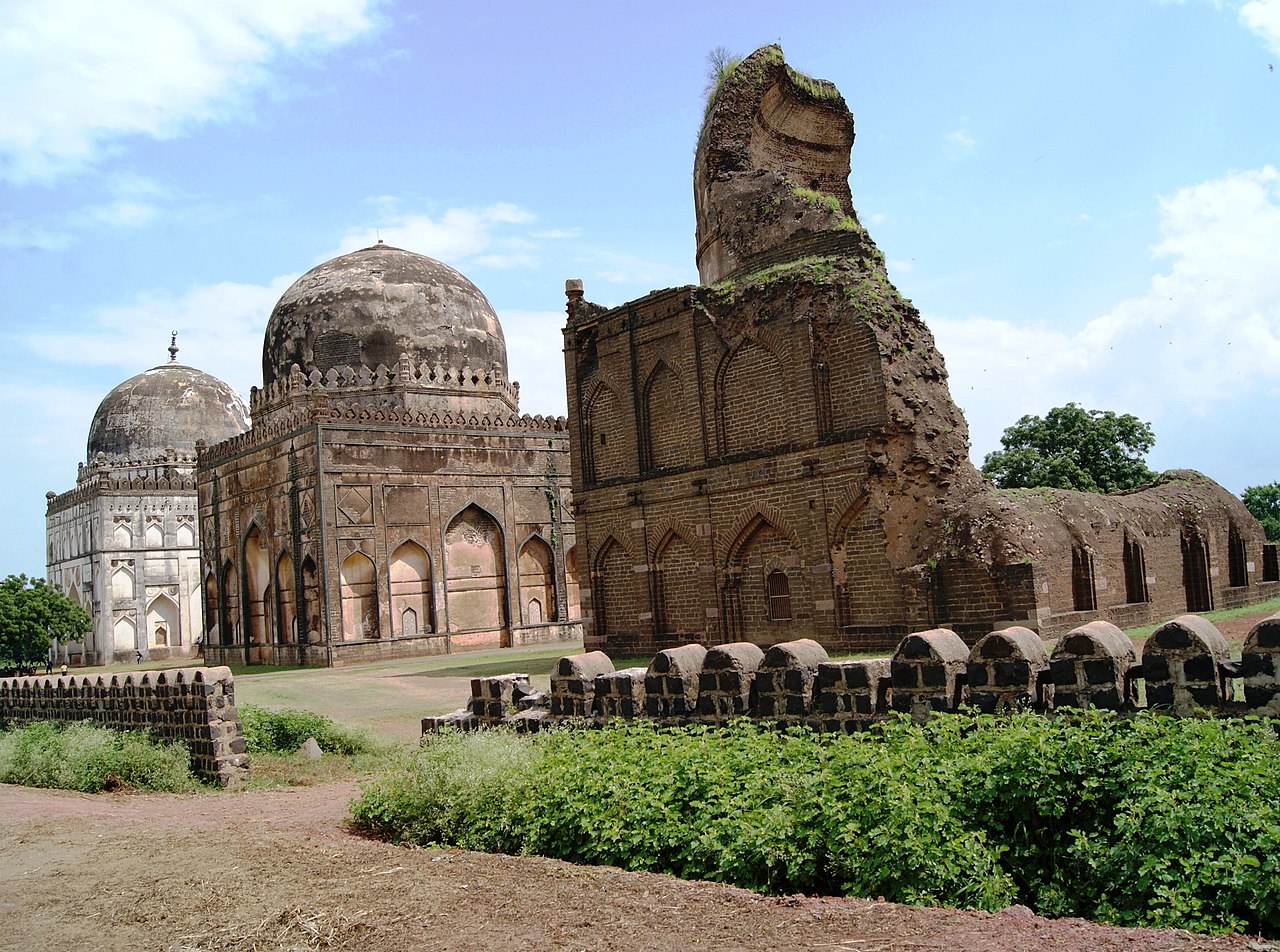
The Bahmani Tombs complex at Bidar is a significant historical site, serving as the necropolis for the Bahmani dynasty, which ruled over the Deccan region of India from the 14th to 16th centuries. The tombs are notable for their architectural style, which blends Indo-Islamic elements with influences from Persian architecture, along with some Hindu design aspects. This unique fusion reflects the cultural confluence that characterized the Deccan Sultanate period. Located in Bidar, Karnataka, the tombs were constructed between the 15th and 16th centuries, during the reign of the Bahmani rulers. The structures feature grand domed tombs, with intricate carvings, arches, and decorative elements that exemplify the artistry and craftsmanship of the time. The complex is a testament to the rich cultural and architectural legacy of the Bahmani dynasty and remains an important heritage site for understanding the medieval history of the Deccan region.
The Bahmani Sultanate, which ruled the Deccan region in South India between the 14th and 16th centuries, is known for its distinctive Indo-Islamic architectural style, particularly evident in the tombs of its rulers. Initially, the sultans were buried in the Haft Gumbaz complex in Gulbarga, the capital of the Sultanate, until Ahmad Shah I Wali moved the capital to Bidar in 1432. The tombs, constructed from 1436 to 1535, feature a blend of Persian and Hindu architectural influences, with Persian architects and Hindu masons collaborating on the designs. The tombs are square structures with bulbous domes, built from black trap masonry, and often adorned with intricate tile work, geometric patterns, and calligraphy, including Persian poetry and Quranic verses. Ahmad Shah I Wali's tomb, the first in Bidar, is square with arches and a bulbous dome, and the interior is decorated with frescoes and religious texts. The tomb is venerated by both Muslims and Hindus of the Lingayat sect, who observe the Urs (death anniversary) of Ahmad Shah each year. Other notable tombs include those of Ahmad Shah's wife and son, located nearby. The tomb of Ala-ud-Din Shah, who succeeded Ahmad Shah in 1436, is square with lofty entrance arches and enamel tiles, though much of the tile work has been damaged. Humayun Shah, who ruled from 1458 to 1461, has a tomb with unique arches and Hindu-style niches, though it was partially destroyed by lightning in the 19th century. His wife, Malika-i-Jahan, has a smaller tomb nearby. Several incomplete tombs, including those of Nizam Shah and Muhammad Shah III, reflect unfinished projects due to the deaths of their respective commissioners. Mahmud Shah II, who ruled from 1482 to 1518, has a tomb that lacks the decorative elements seen in earlier tombs. There are also two anonymous tombs thought to be for Ahmad Shah II and Ala-ud-Din II, who were puppet kings under the prime minister. The last Bahmani rulers, Wali-ullah and Kalim-ullah, have small square tombs with conical domes. Additionally, the tomb of Shah Rukh Khan, located near Mahmud Shah's tomb, is believed to belong to a member of the royal family, with inscriptions over the eastern doorway. These tombs not only showcase the architectural splendor of the Bahmani period but also reflect the changing political and dynastic history of the Deccan region.
Year of Built: 15th - 16th Century
Address: Ashtoor, Karnataka
Country: India
State: Karnataka
District: Bidar
Pincode: 585403
Longitude: 77.561
Latitude: 17.915