
Indo Islamic Heritage


.jpg)
.jpg)
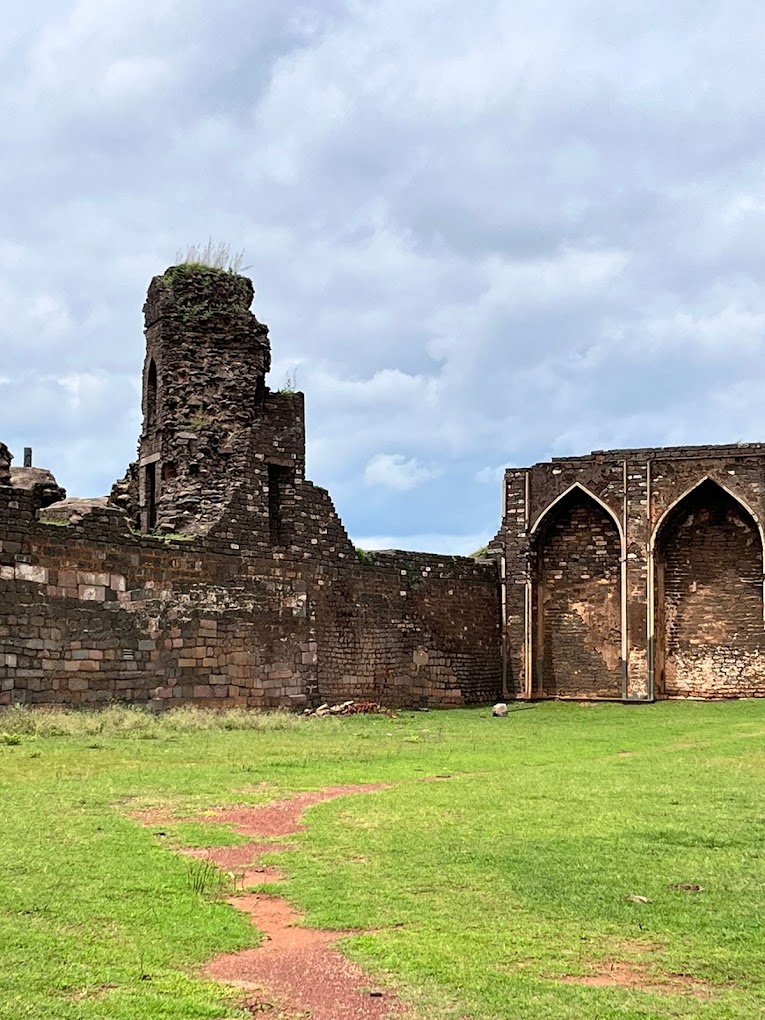
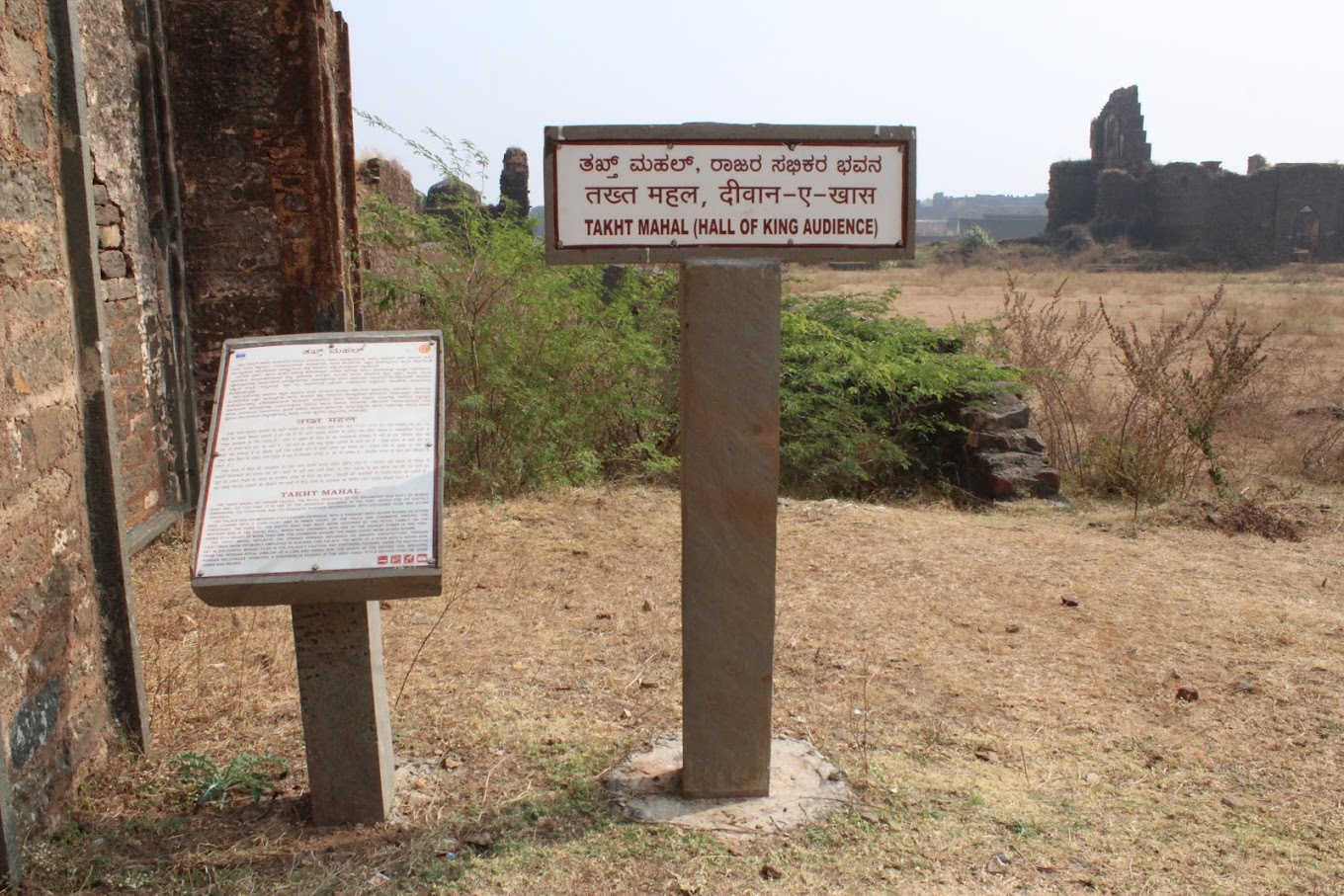
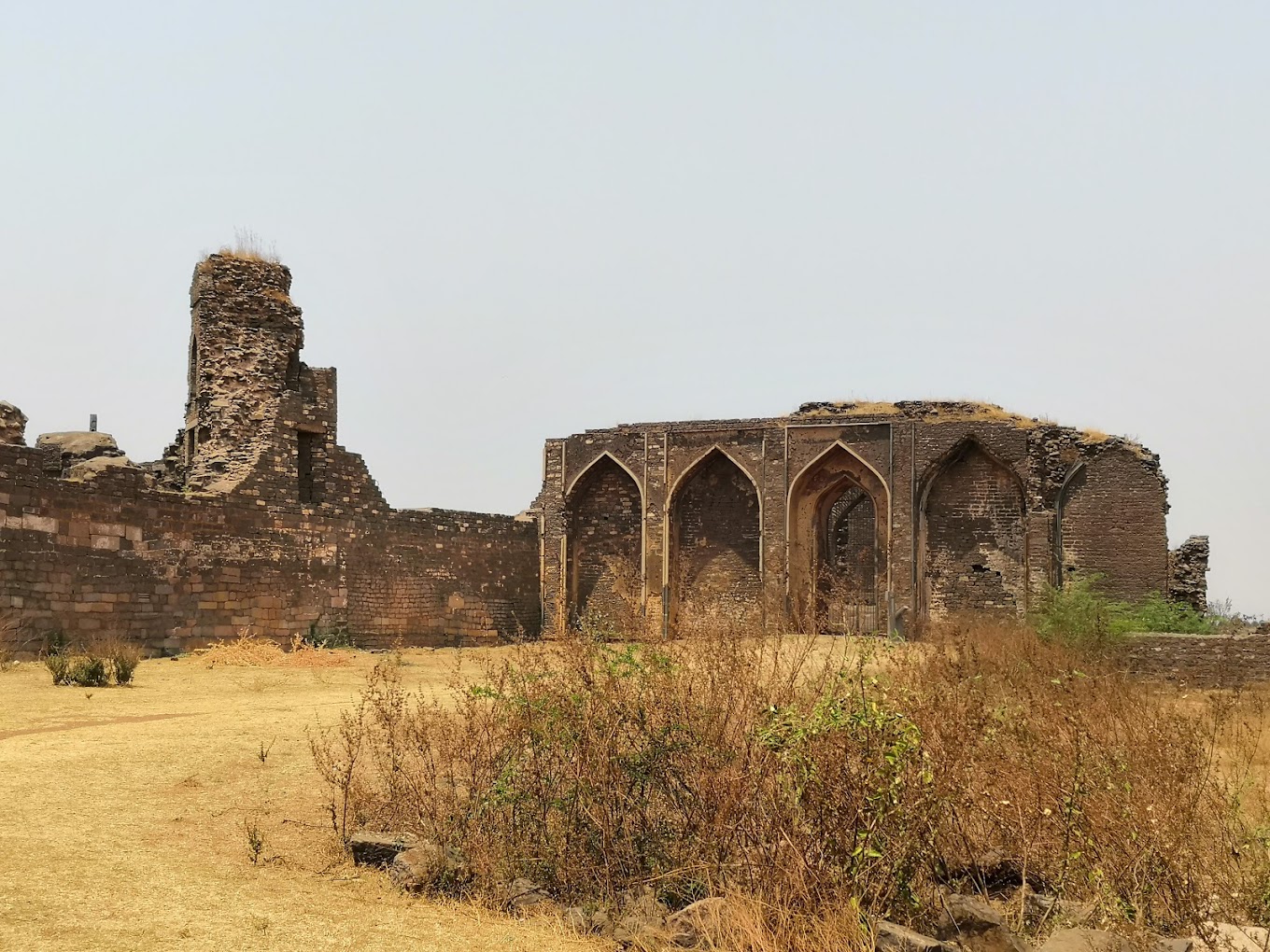
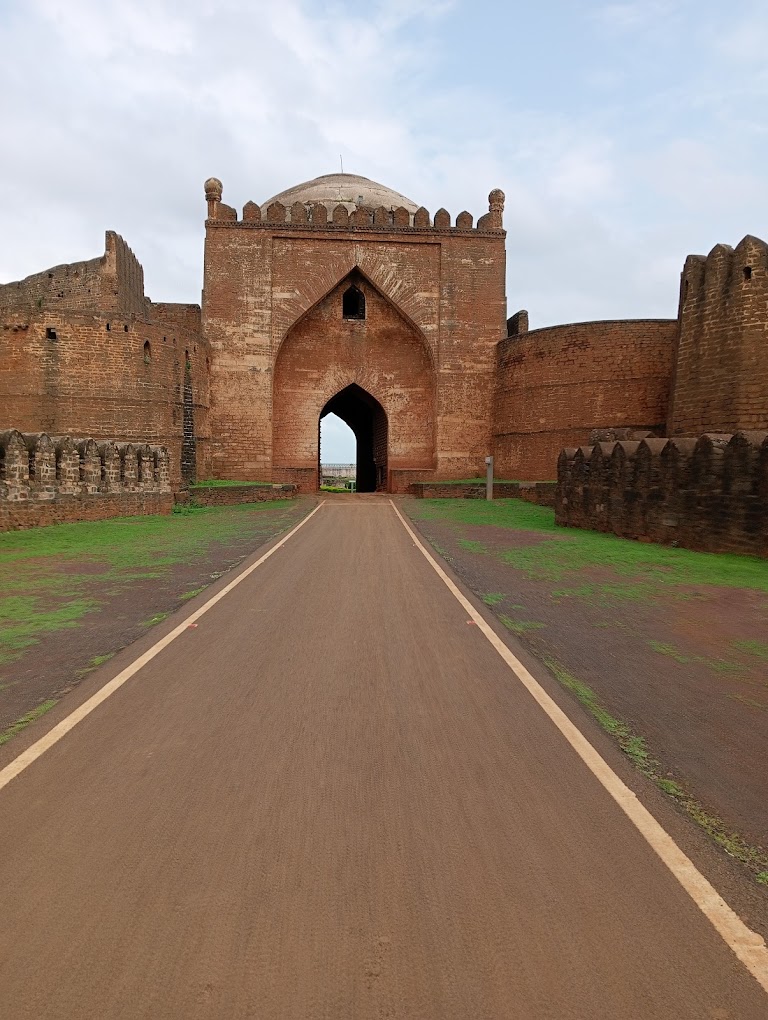
The Takht Mahal, built in the 15th century, was a magnificent royal residence and the seat of the Bahmani sultans. Located in Bidar, which became the capital of the Bahmani Sultanate under Sultan Ahmad Shah I, the palace played a central role in the governance and grandeur of the sultanate. As the name "Takht Mahal" suggests, which translates to "Throne Palace," it served as the focal point where the sultans held court, carried out state affairs, and conducted official ceremonies. This splendid palace symbolized the power, wealth, and authority of the Bahmani rulers, and its strategic placement within the fort's palace complex reflected the importance it held in the political and cultural life of the time. The sultans used this space not only to govern but also to host dignitaries, address their subjects, and preside over formal events.
The architecture of the Takht Mahal showcases the confluence of multiple artistic influences, blending Persian, Indo-Islamic, and Deccan architectural styles. These elements are typical of the Bahmani era, which was known for fostering cultural and architectural exchanges between different regions. The palace itself, although largely in ruins today, still conveys the scale and splendor of its original design. It was once a two-storey structure with a grand fa?ade adorned with arched windows, vast halls, and beautifully detailed interiors. The main throne room was the most opulent part of the palace, where the sultan's throne was placed on an elevated platform, signifying his supreme authority. The throne room walls were richly decorated with intricate stucco and tile work, adding to the overall sense of magnificence. The palace's expansive and open layout, with its lofty ceilings and wide corridors, was designed to accommodate grand processions, public audiences, and elaborate ceremonies. This layout allowed the sultans to display their wealth and power while also facilitating the public interactions and official functions that were vital to the administration of the sultanate. Despite the passage of time and the decline of the palace's physical structure, the Takht Mahal continues to be a testament to the grandeur and architectural sophistication of the Bahmani period, standing as a symbol of the sultan?s prestige and the cultural richness of the era.
Year of Built: 14th Century
Address: Old City Fort Area, Ground Fort Area, Bidar, Karnataka
Country: India
State: Karnataka
District: Bidar
Pincode: 585401
Longitude: 77.52
Latitude: 17.912