
Indo Islamic Heritage


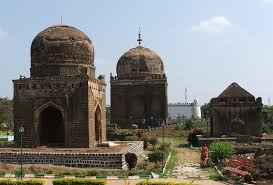
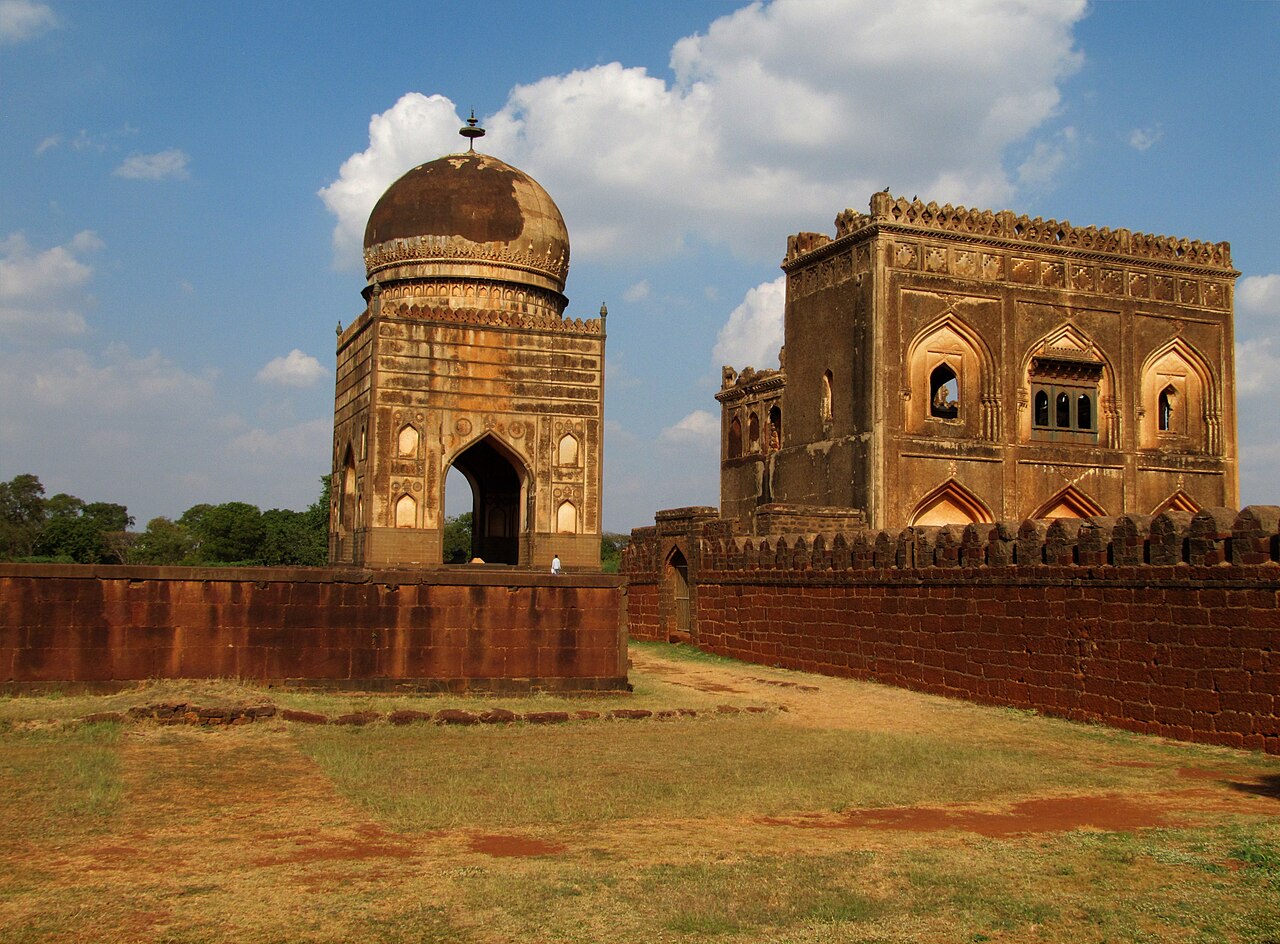
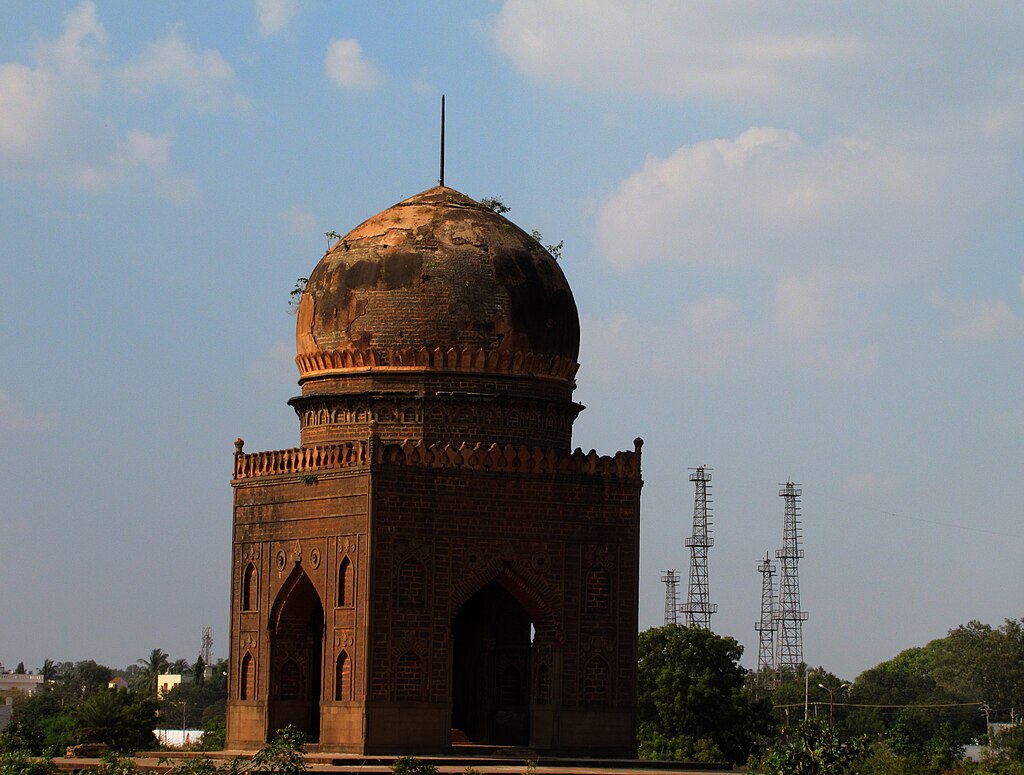
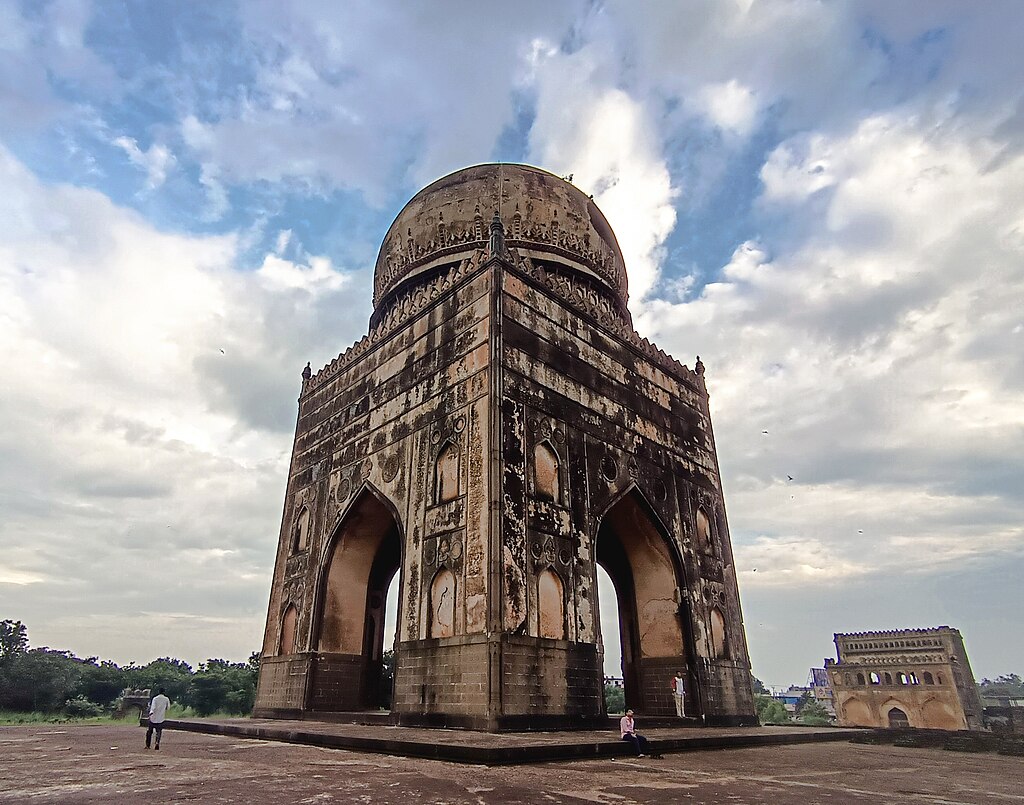
The Barid Shahi tombs are an important historical site in Bidar, Karnataka, India. They belong to the Barid Shahi dynasty, which ruled Bidar from 1492 to 1619. The tombs are part of a larger complex that includes the graves of several Barid Shahi rulers and their families. This site is known for its unique architectural style, which blends Persian, Turkish, and Indian influences, reflecting the cultural fusion of the period. The Barid Shahi dynasty was founded by Amir Barid, and under their rule, Bidar became an important cultural and political center. The tombs are characterized by their distinct domes, intricate carvings, and beautiful arches, showcasing the rich artistic heritage of the dynasty. The tombs also represent the legacy of the Deccan Sultanates, contributing to the region's architectural and cultural history. Today, the Barid Shahi tombs attract visitors for their historical significance and architectural beauty.
The Barid Shahi dynasty, which ruled between 1492 and 1695, left behind a remarkable legacy, most notably through the construction of the Barid Shahi tombs. These tombs, built during the 16th and 17th centuries, represent the architectural grandeur of the medieval period and are set in a serene garden with surviving mango and tamarind trees. The tombs are built in the Indo-Islamic style, which is characteristic of the Deccan Sultanates and is similar in design to other royal necropolises such as the Qutb Shahi tombs in Hyderabad. The intricate architecture, the layout of the tombs, and the surrounding greenery provide an insight into the cultural and aesthetic values of the time. Among the tombs, the Tomb of Qasim Barid stands out as it is located to the east of his son Amir Barid's unfinished tomb. This positioning of the tombs highlights the familial connection and respect for the deceased rulers. The Tomb of Amir Barid itself remains unfinished, as the ruler's death in 1542 CE halted its completion. Amir Barid began the construction of his tomb during his reign, but he did not live to see its final form. In contrast, the Tomb of Ali Barid, which was completed in 1576-1577 CE (984 Hijri), was constructed three years before his passing. The tomb of Ali Barid is significant not only for its architecture but also for the 67 graves located on the southwest platform, which are believed to belong to his concubines. The Tomb of Ibrahim Barid, son of Ali Barid, was constructed as a replica of his father's tomb. Positioned on a raised platform, the tomb is 6 feet high, reflecting its prominent placement. A two-story gateway leads into the tomb enclosure, where several graves can be found, sheltered by the shade of mango trees, adding a tranquil atmosphere to the site. To the south of Ibrahim Barid's tomb lies the Tomb of Qasim Barid II, which is located on a platform, with several other tombs situated nearby. This site further emphasizes the legacy of the Barid Shahi rulers, each tomb contributing to the dynastic history and architectural splendor of Bidar. At the eastern end of Qasim Barid's tomb, there is an Idgah, which may have been constructed during the Bahmani period. The presence of the Idgah, a place for prayer and religious gatherings, indicates the spiritual and cultural significance of the site beyond just royal burials. It underscores the connection between governance, religion, and community life during the era. The Barid Shahi tombs, with their architectural beauty and historical relevance, remain an important part of India's medieval heritage, drawing visitors who seek to understand the rich history of the Deccan Sultanates.
Year of Built: 15th - 16th Century
Address: beside main bus stand, Aliyabad, Bank colony, Bidar, Karnataka
Country: India
State: Karnataka
District: Bidar
Pincode: 585401
Longitude: 77.504
Latitude: 17.919