
Indo Islamic Heritage



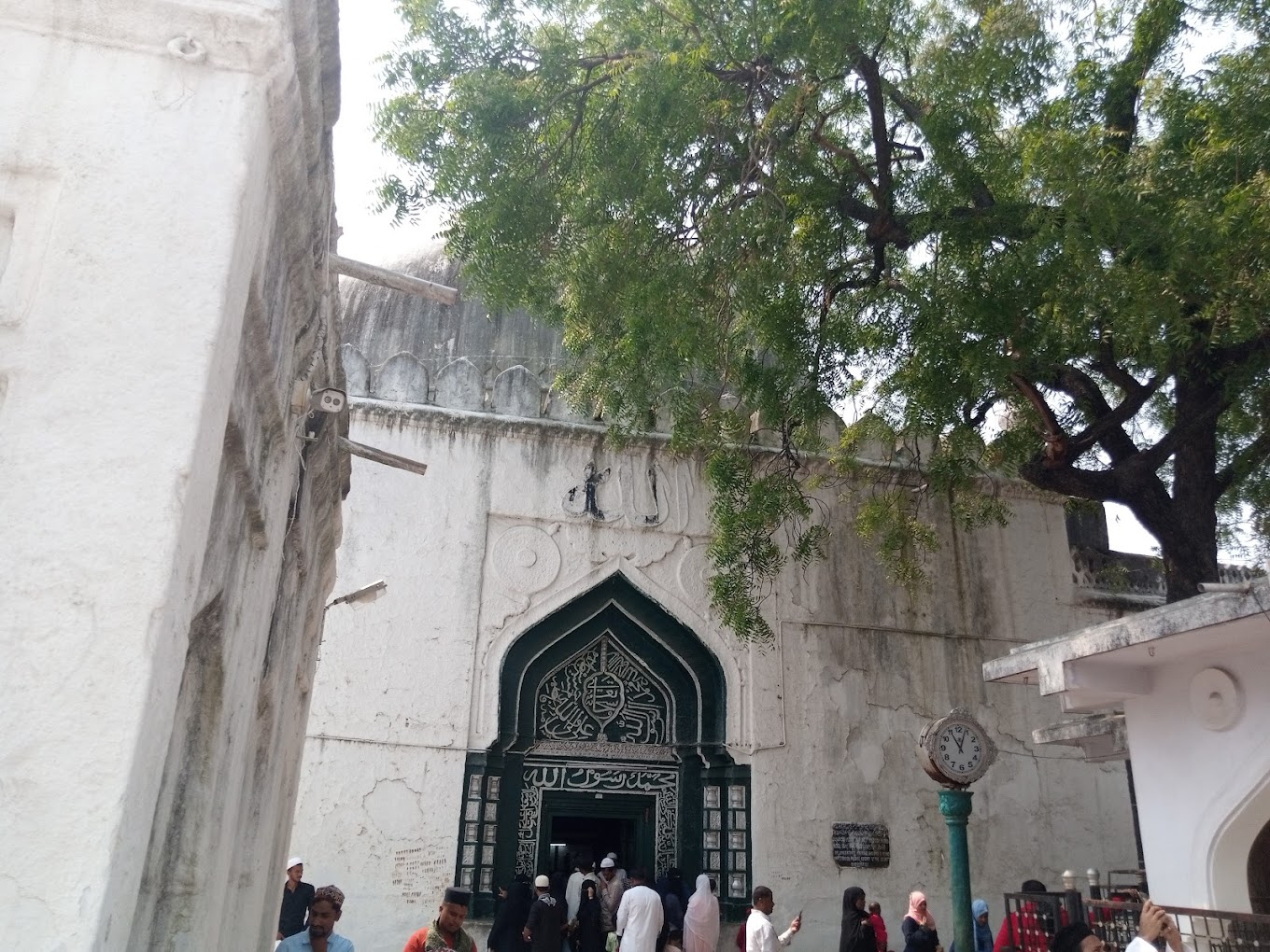
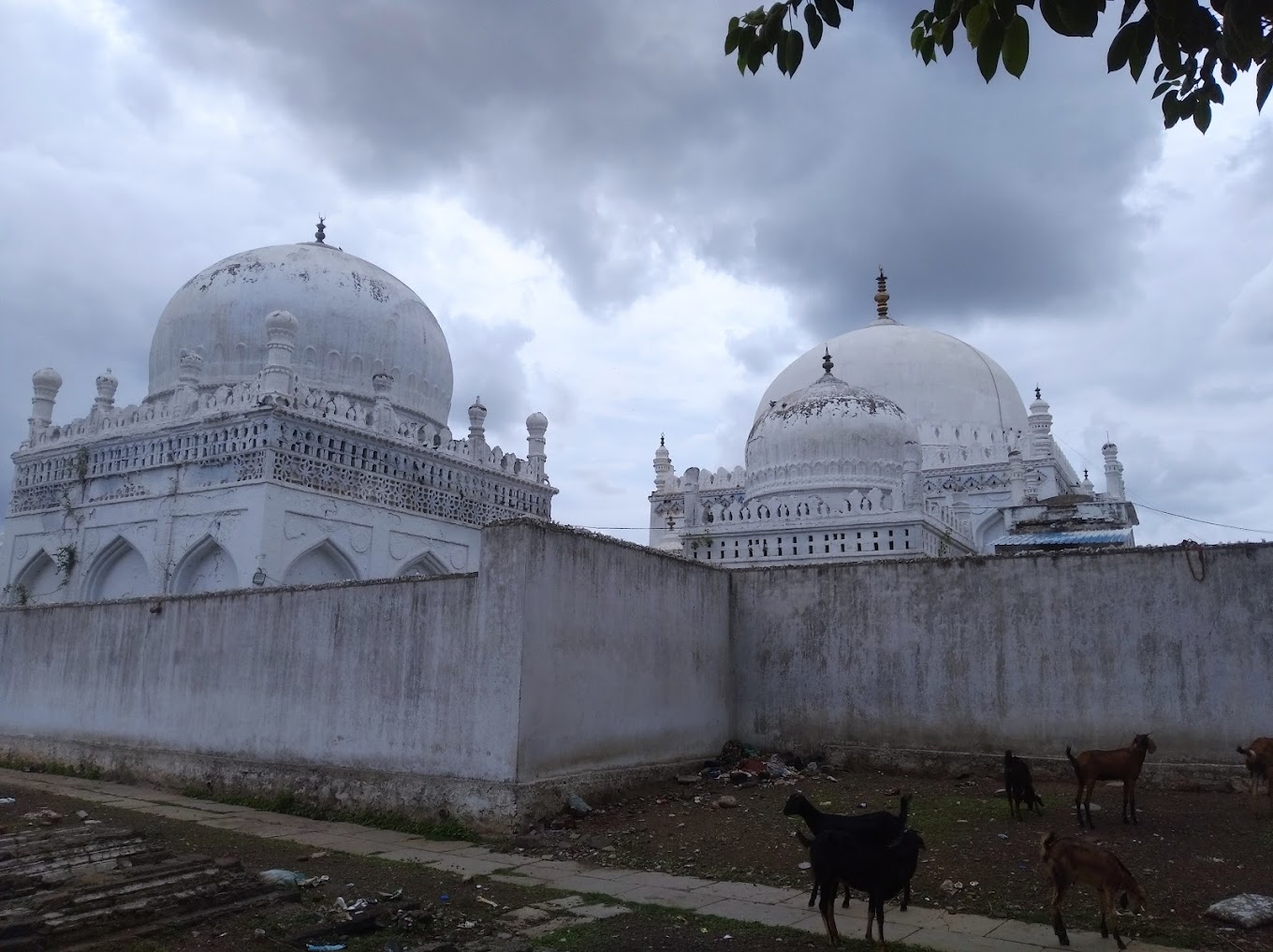
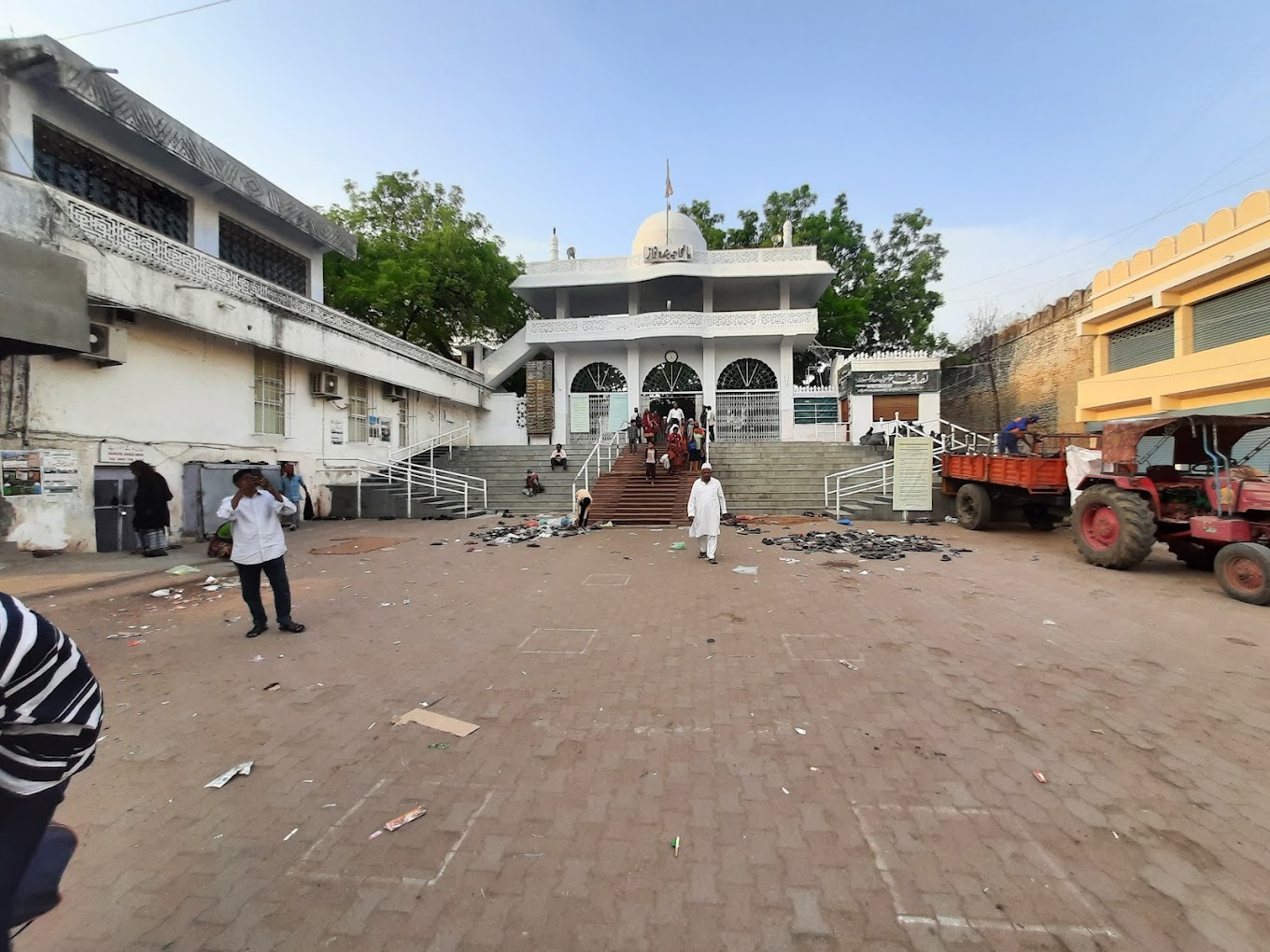


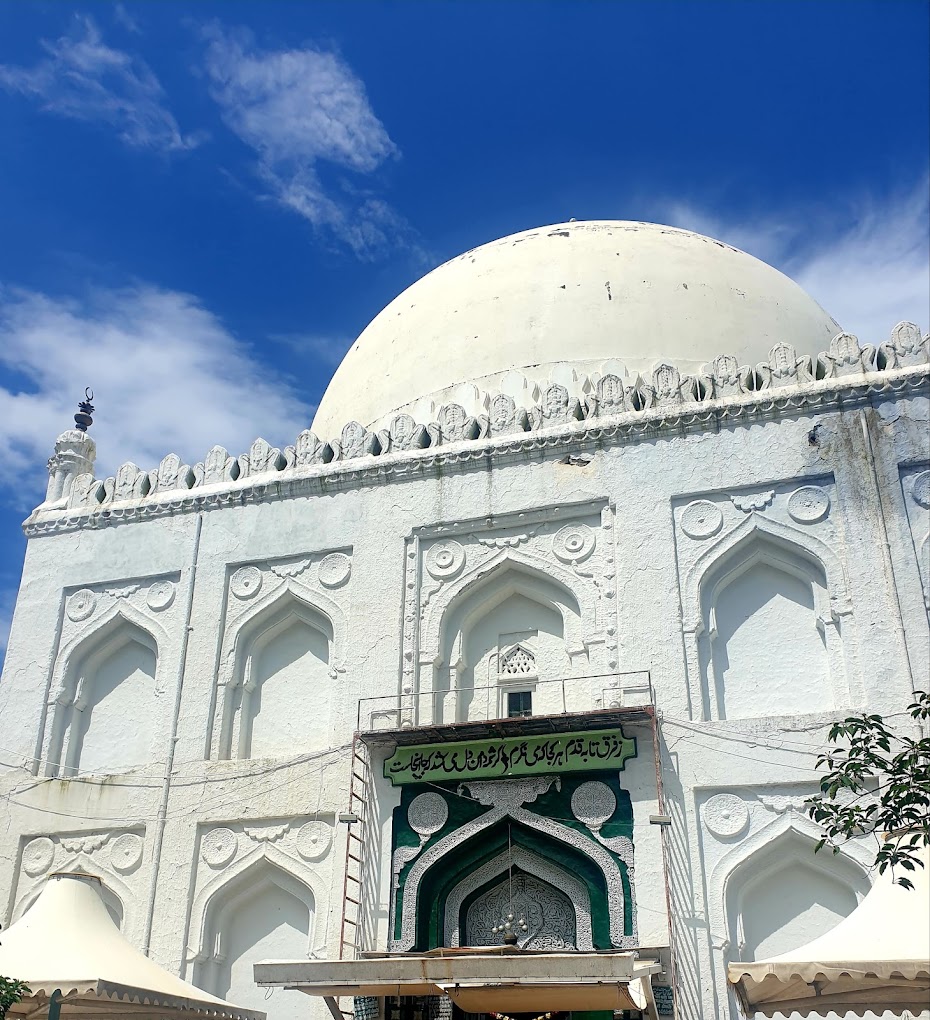
Syed Muhammad ibn Yousuf al-Hussaini, commonly known as Bande Nawaz or Gisu Daraz, was a prominent Hanafi Maturidi scholar and Sufi saint of the Chishti Order. Born on July 30, 1321, he played a significant role in the spread of Sufism in India, particularly the Chishti tradition. Gisu Daraz was initially a disciple of the renowned Sufi saint Nasiruddin Chiragh Dehlavi, and later became his successor. His journey took him to Daulatabad around 1400, after the Mongol invasion led by Timur caused turmoil in Delhi. There, he continued his spiritual mission before ultimately moving to South India. At the invitation of the Bahmani Sultan, Taj ud-Din Firuz Shah, Gisu Daraz settled in Gulbarga, where he became a key figure in the spiritual and cultural life of the region. His presence in South India helped establish the Chishti Order in the region, contributing to the development of Sufism in India during the medieval period. His legacy continues to influence Islamic mysticism in the Indian subcontinent.
Bande Nawaz, born in Delhi in 1321 to a Sayyid family originally from Herat, migrated to Daulatabad in the Deccan at the age of seven with his family after Delhi Sultan Muhammad bin Tughlaq's decree to relocate the capital. After the death of his father, Bande Nawaz returned to Delhi in 1334 or 1335, where he trained under the renowned sheikh Nasiruddin Chiragh Dehlavi of the Chishti Order. During this period, he earned the title Gisu Daraz, and upon Chiragh Dehlavi's death, Bande Nawaz succeeded him as the sheikh, receiving his prayer rug as a symbol of his spiritual inheritance. In Delhi, he gained public prominence for his knowledge and spiritual guidance. In 1398, at the age of 77, fearing the advancing forces of Timur, Bande Nawaz fled Delhi. He traveled through Gwalior, Madhya Pradesh, and Gujarat, eventually arriving in Khambhat in 1399. With hopes of paying homage to his father's tomb in Daulatabad, he was invited by Taj ud-Din Firuz Shah, the sultan of the Bahmani Kingdom, to settle in the Bahmani capital of Gulbarga. Despite his initial acceptance in the kingdom, tensions grew between Bande Nawaz and Firuz Shah due to ideological differences. Bande Nawaz's metaphysical teachings, particularly his adherence to the doctrine of waḥdat al-shuhūd, conflicted with the sultan's views. This led to a decline in their relationship and, eventually, a move of Bande Nawaz's hospice away from the fort's gate for safety reasons. The sheikh further angered the sultan by supporting Firuz Shah's brother, Ahmad, as the royal successor instead of the sultan's son. Bande Nawaz continued his work in Gulbarga until his death in 1422, just a month after the passing of Firuz Shah, who was succeeded by Ahmad. Bande Nawaz was a prolific writer, authoring 195 books in Arabic, Persian, and Urdu. Among his notable works was Miraj-al Ashiqin, a treatise on the Prophet Muhammad, written in Dakhni, a South Indian dialect of Urdu, which was groundbreaking at the time. He also wrote numerous treatises on the works of the famous scholars Ibn Arabi and Suhrawardi, making their teachings accessible to Indian scholars and significantly influencing later mystical thought in the region. His other works include Qaseeda Amali and Adaab-al-Mureedein. Bande Nawaz's death anniversary, known as his urs, is observed on the 15th, 16th, and 17th of Dhu al-Qadah at his mausoleum in Gulbarga, which was built by Sultan Ahmad Shah. The occasion attracts thousands of devotees from various religious backgrounds who gather to seek blessings, celebrating the life and teachings of this revered Sufi saint.
Year of Built: 15th Century
Address: Dargah Rd, Rauza E, Buzurg, Khaja Colony, Kalaburagi, Karnataka
Country: India
State: Karnataka
District: Gulbarga
Pincode: 585104
Longitude: 76? 51' 3.00
Latitude: 17? 20' 37.8312