
Indo Islamic Heritage


.jpg)
3.jpg)
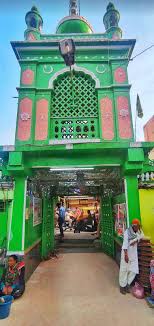
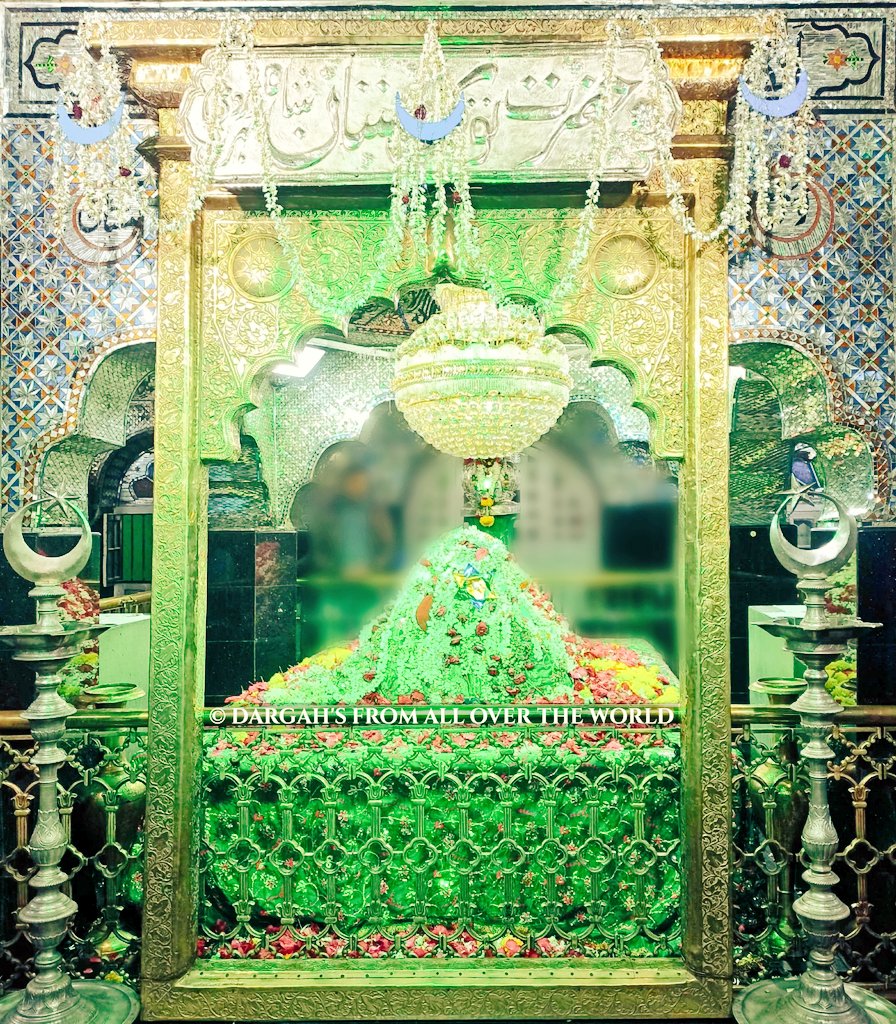
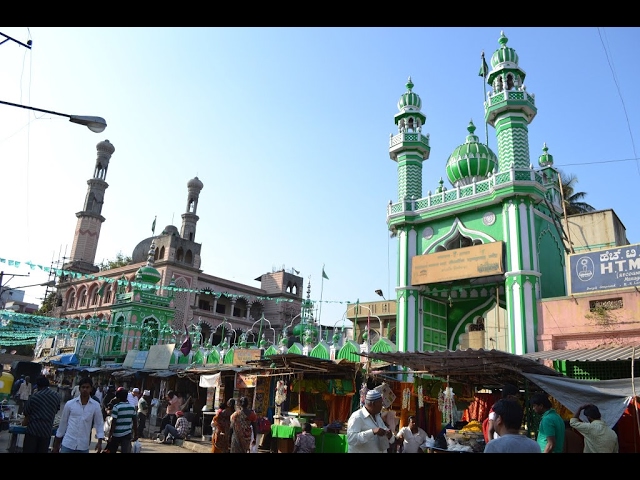
The Hazrat Tawakkal Mastan Dargah, located in the Cottonpete area of Bengaluru, is a significant Sufi shrine in the city with a history spanning approximately 200 years. It is regarded as one of the oldest and largest dargahs in Bengaluru. The shrine is dedicated to Hazrat Tawakkal Mastan, a revered Sufi saint, and has become a popular place of worship for devotees seeking blessings and spiritual guidance. The dargah's historical significance, combined with its role as a center for Sufi traditions, attracts both local and visiting devotees. The peaceful and serene atmosphere of the dargah serves as a place for reflection, prayer, and spiritual connection for people of various faiths. Over the years, it has become an important part of the cultural and religious landscape of Bengaluru.
The Hazrat Tawakkal Mastan Dargah, located in Cottonpete, Bengaluru, holds a deep historical and spiritual significance that dates back to the mid-18th century. During this time, the region was ruled by Hyder Ali, a prominent ruler of the Mysore Kingdom. In 1761 A.D., Hyder Ali decided to rebuild the fort of Bengaluru, originally constructed by the founder of the city, Kempegowda, in 1537 A.D., using stone instead of the original mud. During the fort's reconstruction, it was discovered that three individuals involved in the project had refused their salaries. Intrigued, Hyder Ali ordered Ibrahim Khan, a military officer in charge of the fort, to investigate the matter and bring the names of these individuals to him. Hazrat Ibrahim Saheb, a Sufi Pir (Zindawali), informed the ruler that the trio in question were Hazrat Tawakkal Baba, Hazrat Tipu Mastan, and Manik Mastan, who were all revered Sufi saints from the Kumbara Pet Mosque. Upon further inquiry, Hyder Ali offered to pay the salary to the three saints, but they declined the offer. Instead, they requested that a mosque be built near Uppara Pete. In response to their request, Hyder Ali agreed to the construction of the mosque. The foundation of the mosque was laid by Hyder Ali in 1777 A.D., but it was completed by his son, Tipu Sultan, in 1783 A.D. The mosque became an important place of worship and spiritual significance. Hazrat Tawakkal Baba, one of the three saints, passed away in 1777 A.D. and was buried within the mosque. This information is preserved on an inscription found at the top of his tomb inside the building, marking his death and contribution to the mosque. The Hazrat Tawakkal Mastan Dargah is also renowned for its role in the cultural and religious practices of Bengaluru. One of its most notable events is the Bengaluru Karaga Festival, which takes place annually and attracts numerous participants. The festival, celebrated with much enthusiasm, involves devotees who carry a deity, called the Karaga, on their heads without touching it by hand, symbolizing purity and devotion. These participants visit the Dargah before the event to receive blessings through a ritual known as "dhuparati," after which they proceed with the circumambulation of the city. A unique tradition associated with this festival is the exchange of lemons between the participants and the Dargah priest (Mujhavir) in the three days leading up to the Karaga Festival. This exchange symbolizes the sharing of divine blessings and the strengthening of the bond between the devotees and the saints. The Dargah, with its rich history, also attracts visitors from diverse religious backgrounds. People of all faiths come to the shrine to offer prayers and seek divine intervention in times of hardship. One of the most unique practices at the Dargah is the ritual of devotees locking the window grills of the shrine as an expression of their vows and faith. Many believe that by offering prayers and performing this symbolic act, they can overcome challenges in their lives. Another significant tradition at the Dargah is the Friday Kavvali session, where devotees gather to sing devotional songs in praise of God, fostering a sense of unity, peace, and spirituality. In sum, the Hazrat Tawakkal Mastan Dargah is not only a historical landmark but also a beacon of spiritual unity and cultural integration in Bengaluru. It serves as a place of worship, a center for Sufi traditions, and a symbol of the harmonious coexistence of various religious communities, making it an enduring part of the city?s heritage.
Year of Built: 18th Century
Address: Akkipete Main Road, O.T.C. Road Chickpete, Upparpete, Cottonpete, Bengaluru, Karnataka
Country: India
State: Karnataka
District: Bengaluru Rural
Pincode: 560053
Longitude: 77.572
Latitude: 12.973