
Indo Islamic Heritage


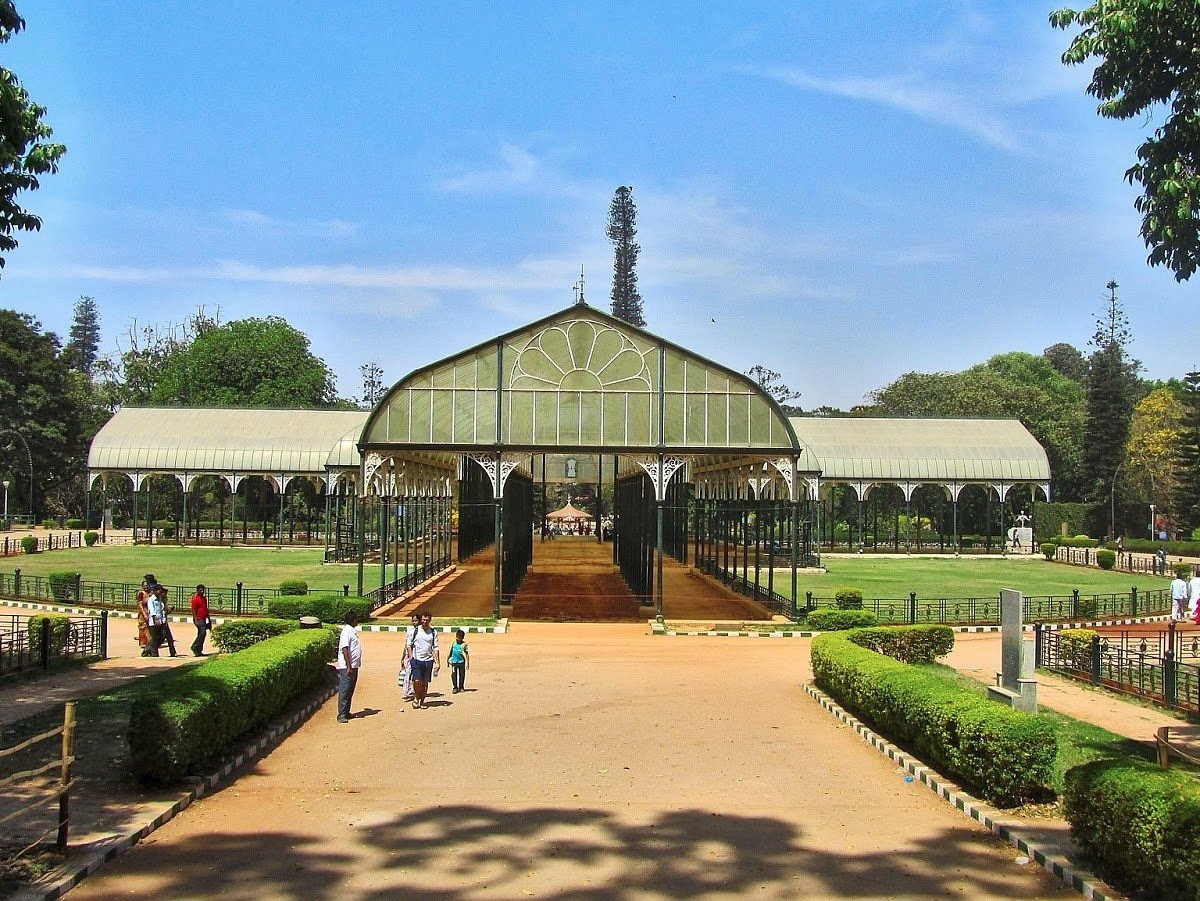
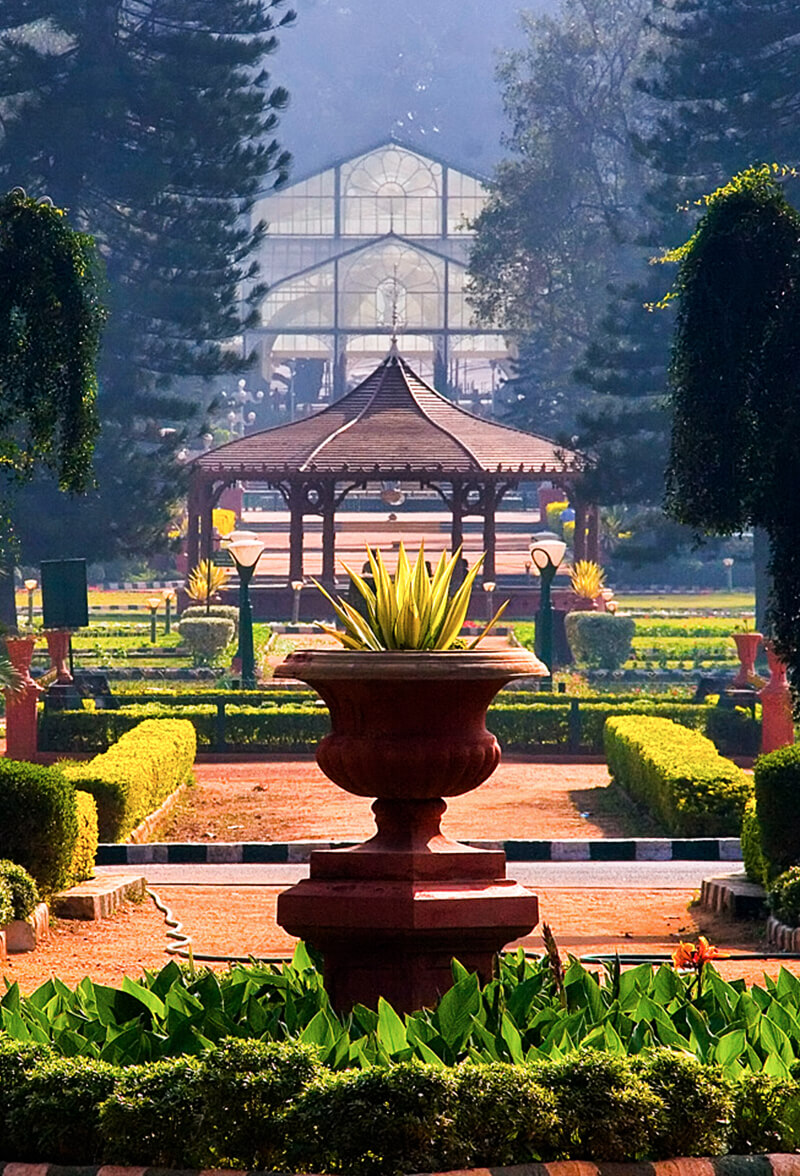
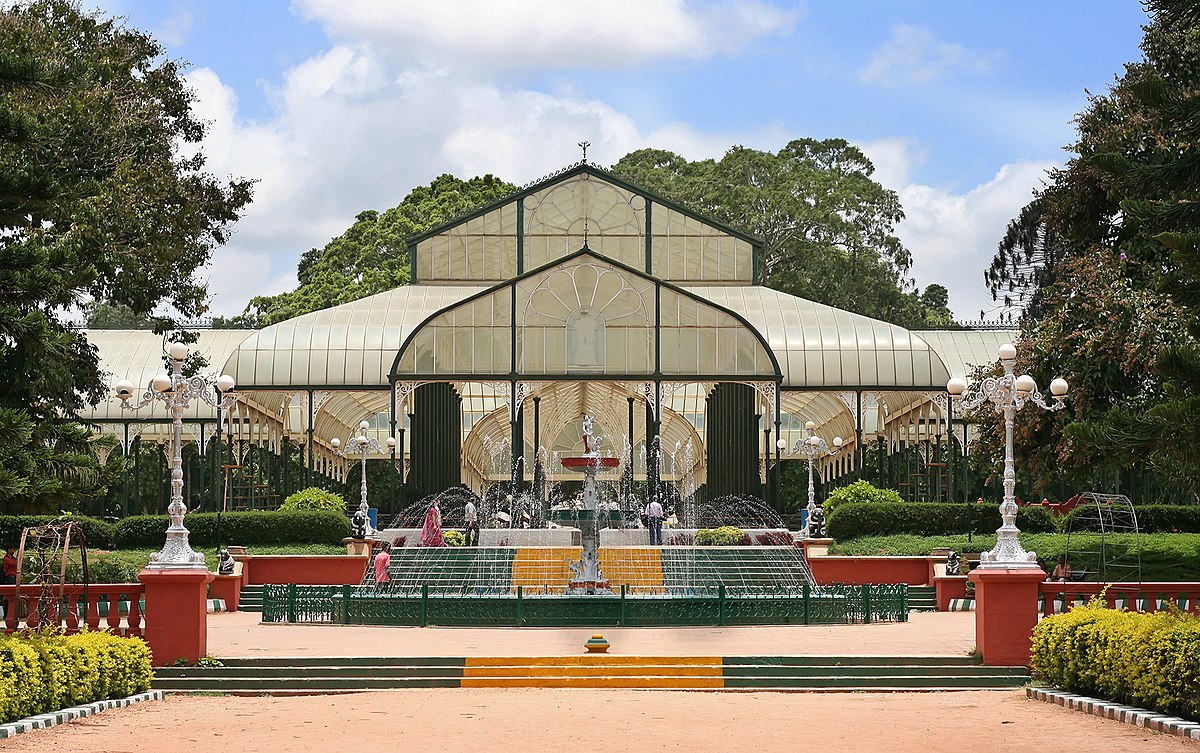
Lalbagh Botanical Garden, often referred to simply as Lalbagh (meaning "red garden" in Urdu), is a renowned botanical garden located in Bangalore, India, with a rich history spanning over 200 years. The garden was initially planned and laid out during the reign of King Hyder Ali, the ruler of the Kingdom of Mysore, in the 18th century. King Hyder Ali, with the help of his son Sultan Tipu, envisioned the creation of this expansive garden as a space for both ornamental and scientific purposes, aiming to cultivate exotic plant species and enhance the botanical knowledge of the time. Lalbagh was further developed and expanded under British supervision after Hyder Ali's death, with several British Superintendents overseeing its growth during the colonial period.
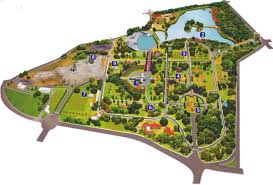
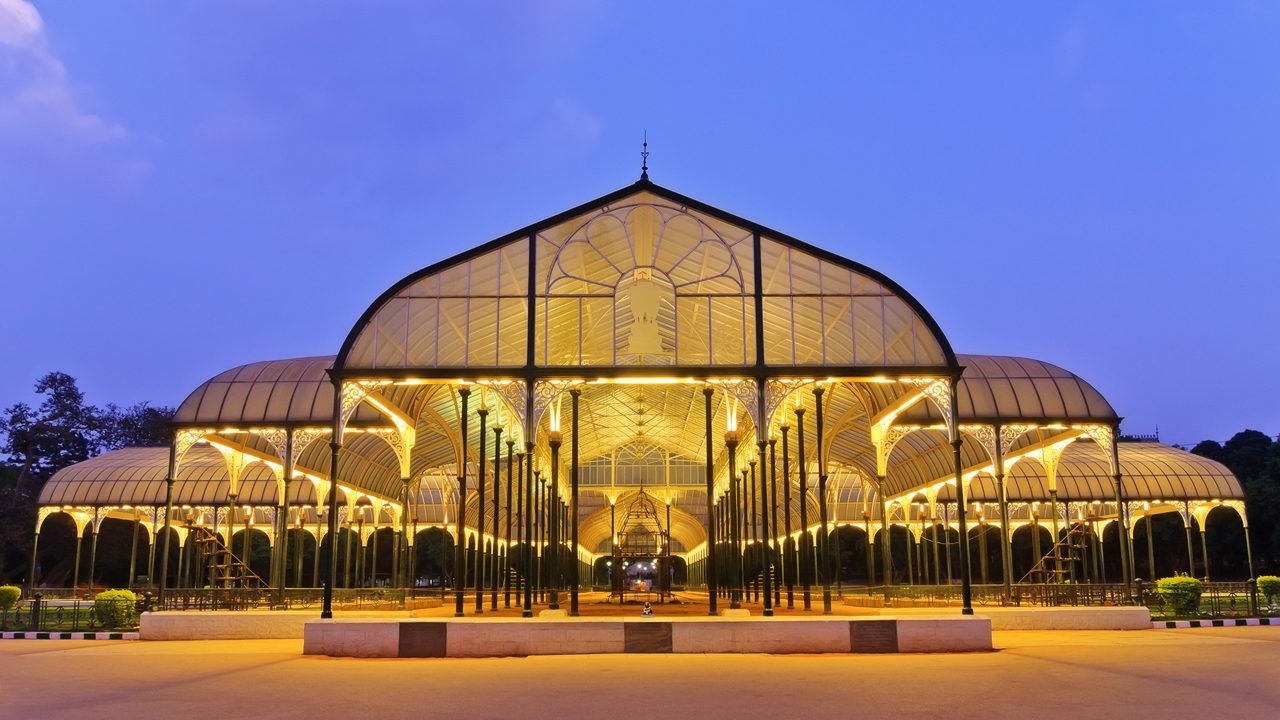
Lalbagh Botanical Garden, located in the heart of South Bangalore, is a sprawling 240-acre space that boasts over 1,000 species of plants, with some trees more than a century old. Commissioned by King Hyder Ali in 1760 and completed by his son, King Tipu Sultan, Lalbagh was initially designed along the lines of the Mughal Gardens, which were popular at the time. The garden was not only a place of beauty but also a hub for horticultural wealth, as Tipu Sultan introduced a variety of plants from across the world, contributing to its rich biodiversity. The name "Lalbagh" is believed to refer either to the red color of its original floral composition or the term "beloved," adding a touch of cultural depth to its legacy. The garden houses a range of rare plants from Persia, Afghanistan, and France, with trees and plants carefully cultivated over generations. One of its most notable attractions is the Lalbagh Rock, one of the oldest rock formations on Earth, dating back over 3 billion years. The garden's design includes a sophisticated irrigation system, intricate flowerbeds, lawns, fountains, and lotus pools, creating a serene environment for visitors. Lalbagh is home to the Glass House, modeled on London's Crystal Palace, which hosts regular flower shows and attracts thousands of visitors each year. The garden is also a significant site for environmental education, with signage identifying most of the ancient trees. It has four main gates, each offering access from different parts of the city, with Gate 1 serving as the primary entrance, leading to the Glass House. Despite the challenges posed by the COVID-19 pandemic, which temporarily closed the garden and canceled events like the flower show, Lalbagh continues to be a cherished landmark in Bangalore, offering a peaceful escape from the hustle and bustle of city life.
Year of Built: 18th Century
Address: Mavalli, Bengaluru, Karnataka
Country: India
State: Karnataka
District: Bengaluru Rural
Pincode: 560004
Longitude: 77.59
Latitude: 12.95