
Indo Islamic Heritage


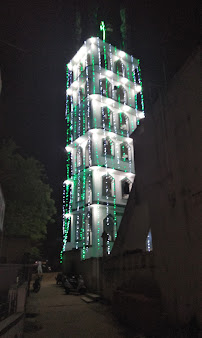
Ghousia Jama Masjid is an active local mosque located in Islampur, Siwandih, Bokaro Steel City, within the Indian state of Jharkhand, India. Serving as a neighbourhood place of worship, the mosque plays an important role in the daily spiritual life of the local Muslim community, providing a space for the five obligatory prayers (Salat), the weekly Friday (Jumu’ah) congregational prayer, and gatherings during major Islamic festivals such as Ramadan, Eid-ul-Fitr, and Eid-ul-Adha. Though not officially recognised as a historical monument, Ghousia Jama Masjid stands as a key cultural and religious site in the region with a strong community presence.
Ghousia Jama Masjid is a neighbourhood mosque situated in the Islampur area of Siwandih within Bokaro Steel City, a planned industrial and residential urban centre in Jharkhand, India. Bokaro Steel City grew up around the Bokaro Steel Plant from the mid-20th century and today includes multiple residential neighbourhoods such as Siwandih, Islampur, Dumro, and Bharra Basti, each featuring several community mosques that serve the spiritual and social needs of local Muslim populations.  According to local mapping data, Ghousia Jama Masjid is located at coordinates 23.6369852° N, 86.1002696° E, positioning it within the 827010 postal area of Bokaro Steel City. This location places the mosque amidst a network of residential lanes and markets, making it accessible for daily worship and community gatherings. As is common for many community-driven mosques in Indian cities, there is no widely accessible historical record that details the exact year of construction for Ghousia Jama Masjid. Mosques such as this are typically established by local residents to serve neighbourhood worship needs, and their histories are preserved primarily through oral tradition and community memory rather than formal archives. This pattern is widespread in urban localities where mosques evolve alongside neighbourhood growth rather than as formally chronicled heritage sites.  Functionally, Ghousia Jama Masjid supports the core aspects of Islamic worship. It offers space for the five daily prayers (Salat), which structure the devotional routine of practicing Muslims, and its congregation swells on Friday afternoons when the Jumu’ah prayer is held — a communal obligation that replaces the regular midday prayer and includes a sermon (khutbah). During the holy month of Ramadan, the mosque typically facilitates extended night prayers (Tarawih) and communal iftars (breaking of the fast), fostering a sense of shared devotion and unity. Significant celebrations such as Eid-ul-Fitr and Eid-ul-Adha are also focal occasions for large congregational prayers and community festivities at the mosque.  Architecturally, Ghousia Jama Masjid reflects the functional design ethos typical of contemporary neighbourhood mosques in India: a prayer hall oriented toward the Qibla (direction of Mecca), facilities for ablution (wudu), and adjoining spaces to accommodate worshippers during peak prayer times. While it may not feature elaborate historical or architectural ornamentation, its ongoing role as a living centre of faith, culture, and community gathering underscores its importance in the local religious landscape of Bokaro Steel City.
Year of Built: NA
Address: islampur, Siwandih, Bokaro Steel City, Jharkhand 827010
Country: India
State: Jharkhand
District: Bokaro
Pincode: 827010
Longitude: 86.1002696° E
Latitude: 23.6369852° N