
Indo Islamic Heritage


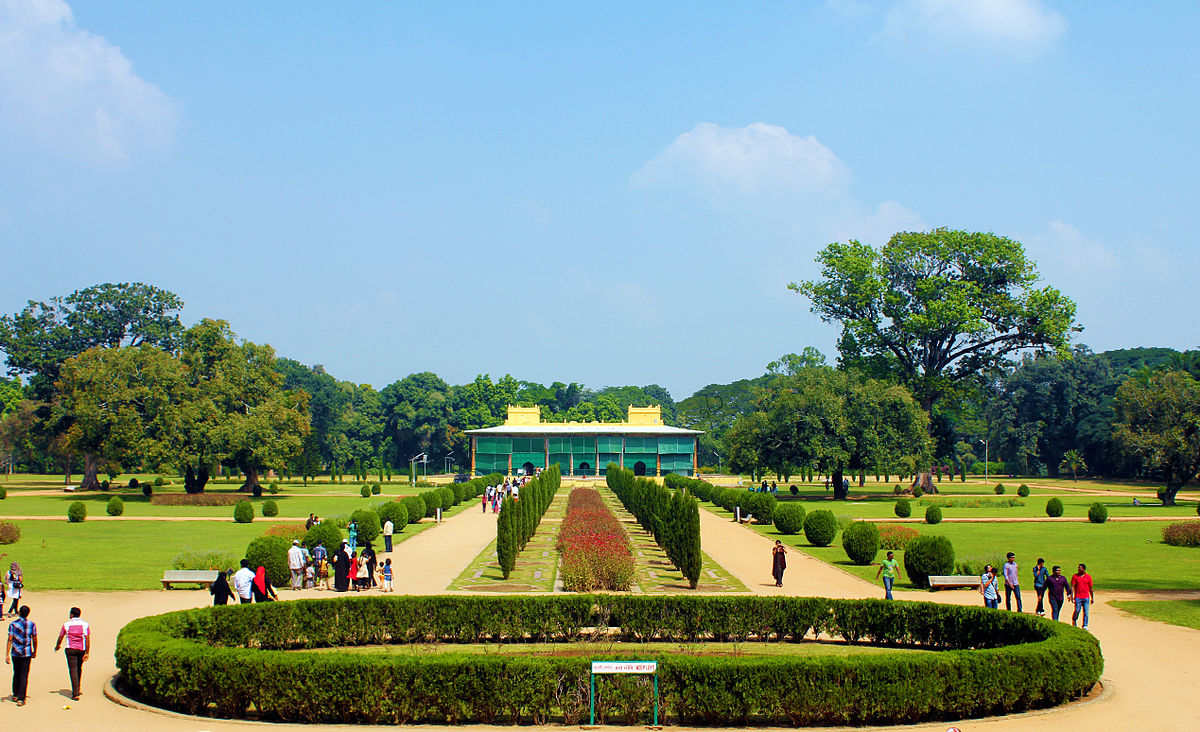
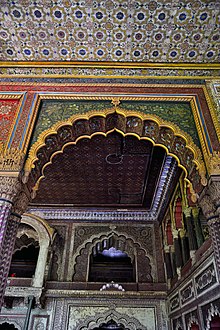
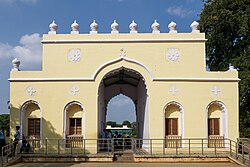
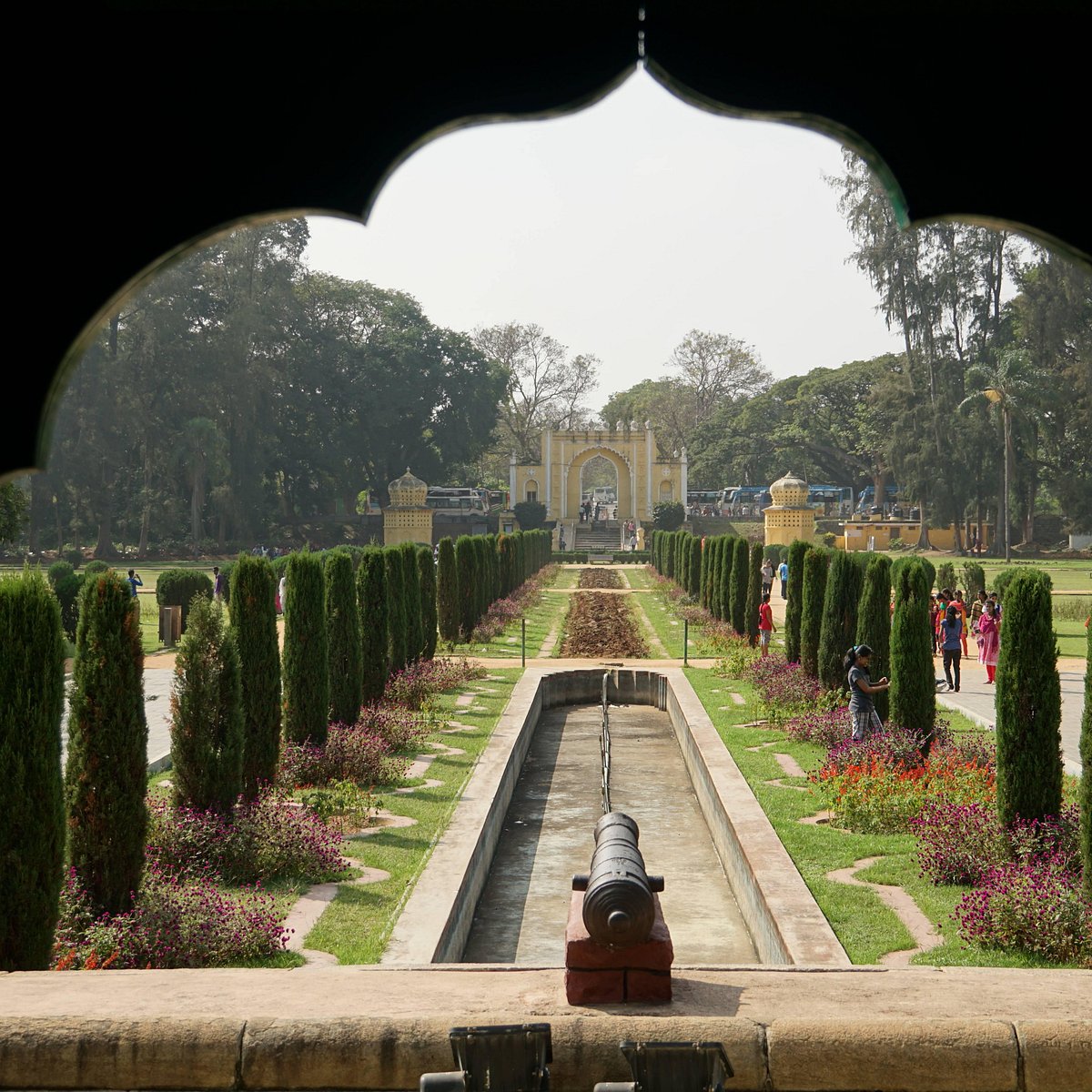
Daria Daulat Bagh, meaning "Garden of the Sea of Wealth," is an exquisite palace situated in Srirangapatna, near Mysore, in southern India. This historic palace is renowned for its construction predominantly from teakwood, showcasing intricate craftsmanship and detailed artwork. It was originally built in the 18th century and served as the summer retreat for Sultan Tipu, also known as Tipu Sultan. The palace is an architectural gem that blends Indo-Islamic
Srirangapatna is a historic island town located in the river Kaveri, around 14 kilometers from Mysore, Karnataka. The town is home to the Dariya Daulat Palace, also known as the Summer Palace of Tippu Sultan, a prominent ruler of Mysore in the 18th century. This magnificent palace, built in 1784, is set amidst beautiful gardens called Daria Daulat Bagh, offering a picturesque environment. Tippu Sultan, famously referred to as the "Tiger of Mysore," constructed this palace during his reign after his father, Hyder Ali, took control of Mysore from the Wodeyars. The palace stands as a testament to Tippu Sultan's vision, architectural taste, and royal lifestyle, having been his residence for a period during his rule. The building is designed in the Indo-Saracenic style, blending elements of Hindu, Muslim, and European influences. The primary construction material used for the palace is teakwood, which adds to its grandeur and elegance. The palace follows a rectangular layout and is elevated on a raised platform, with open corridors along its four sides. These corridors are supported by wooden pillars at the edges of the plinth, creating a harmonious space for ventilation and movement. The western and eastern wings of the palace are constructed with solid walls, while the other two wings feature recessed bays with pillars holding up the roof, offering a sense of balance and symmetry to the structure. The palace's layout incorporates four inconspicuous staircases, which are integrated into the partition walls that divide the central audience hall into four separate rooms, each located at the corners of the structure. The central hall connects the eastern and western corridors, providing an open and spacious feeling within the palace. The walls, pillars, canopies, and arches of the palace are adorned with intricate and colorful frescoes, following the style of Mysore paintings. These frescoes vividly depict scenes of battles, portraits, and other significant moments from the era. On the outer walls of the palace, one can find detailed frescoes showcasing scenes from historic battles. For instance, the battle scenes from the war between Haider Ali and Tippu Sultan against the British, led by Colonel Bailee, are painted on the western wall of the palace. This battle, fought in 1780 at Pollilur near Kanchipuram, is commemorated with great pride. The panels on the left wing of the western wall depict Haider Ali and Tippu Sultan leading their armies to battle, while on the right wing, Colonel Bailee is shown seated in a palanquin, surrounded by the English army, besieged by Tippu Sultan's forces. Above this, there is a painting of French soldiers led by Colonel Lally, peering through a telescope, signaling the broader geopolitical connections during the conflict. The upper panels display the Nizam of Hyderabad and his army arriving too late to assist their English allies, adding further depth to the historical narrative depicted in the palace. The eastern wall of the palace features paintings arranged in five rows, depicting the Darbars (royal assemblies) of Tippu Sultan's contemporaries. These include portraits of important figures like the Hindu Rani of Chitor, the Raja of Tanjore, the Raja of Benares, Balaji Rao II Peshwa, and other regional leaders such as Magadi Kepegowda, Madakari Nayaka of Chitradurga, and Krishnaraja Wodeyar II, representing the diverse and complex political landscape of the time. The top floor of the Dariya Daulat Palace houses the Tippu Sultan Museum, which is a treasure trove of memorabilia related to Tippu Sultan's life, reign, and legacy. The museum displays a rich collection of European paintings, Persian manuscripts, and other artifacts from the era. One of the most notable exhibits in the museum is the painting "Storming of Srirangapattanam," created by Sir Robert Ker Porter in 1800. This oil painting depicts the final fall of Srirangapatna on May 4, 1799, when Tippu Sultan's forces made a valiant stand against the British during the Fourth Anglo-Mysore War. The painting captures the intensity of the battle, with Tippu's soldiers fiercely resisting the British army, and several British officers prominently featured in the scene. In the background, parts of the palace, along with the fort walls and minarets of a mosque, can be seen. The painting is a poignant reminder of the tragic loss of Tippu Sultan, who died fighting the British in his fort during this battle. The ruins of Tippu Sultan?s fort, where he made his final stand, still stand near the palace. Within the fort, one can find the Jama Masjid and the Ranganathaswamy Temple, two important landmarks associated with Tippu Sultan?s reign. Outside the fort, the Gumbaz stands as a memorial, containing the tombs of Tippu Sultan, his father Haider Ali, and his mother. These tombs serve as a significant historical site, marking the final resting places of the key figures who shaped the history of Mysore and fought against British colonial expansion in the region. While Tippu Sultan's palace and the Lal Mahal near the fort now lie in ruins, they continue to be a poignant reminder of a once-powerful kingdom, its ruler?s struggles, and his ultimate sacrifice for his people and his kingdom. The Dariya Daulat Palace, with its rich history, stunning frescoes, and cultural significance, remains a major tourist attraction, drawing visitors from around the world who wish to explore the legacy of the "Tiger of Mysore."
Year of Built: 18th Century
Address: Srirangapatna, Karnataka
Country: India
State: Karnataka
District: Mysuru
Pincode: 571438
Longitude: 76.6969
Latitude: 12.4200