
Indo Islamic Heritage


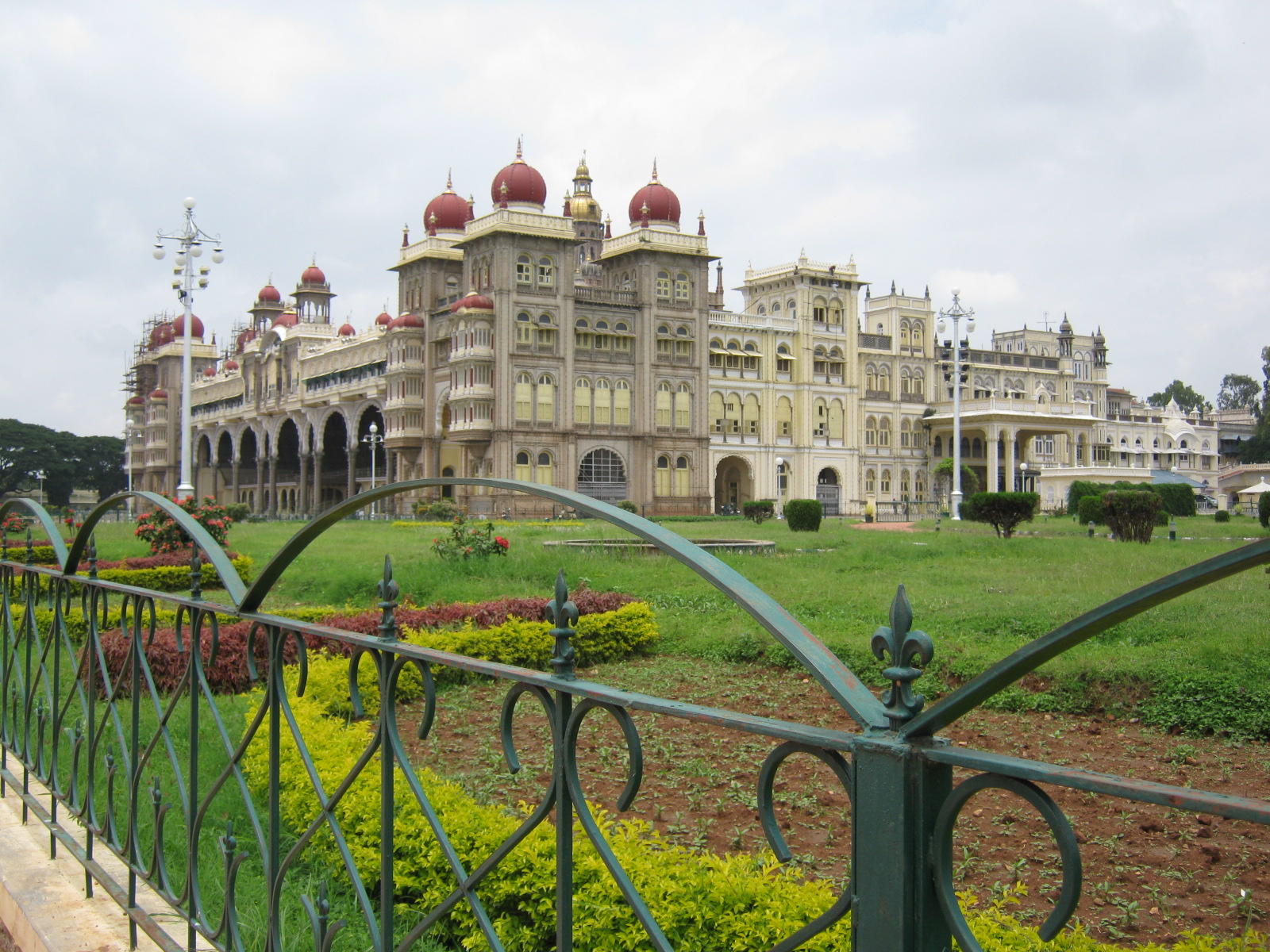
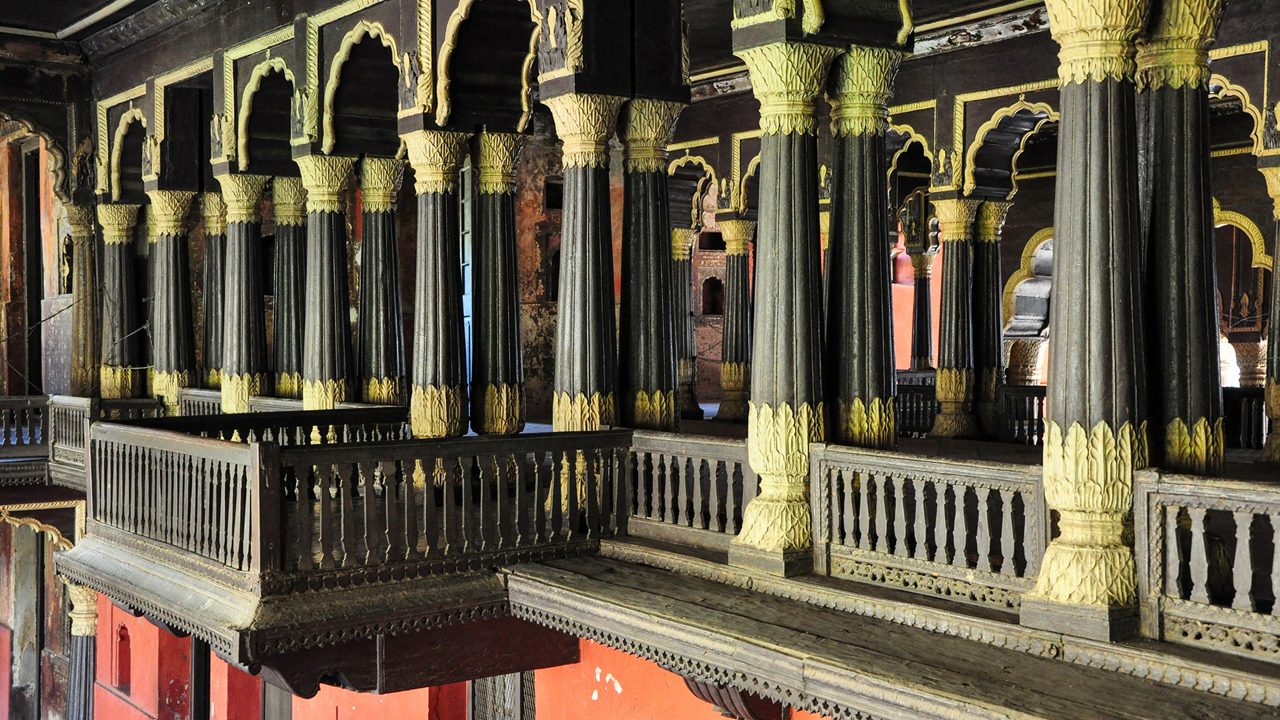
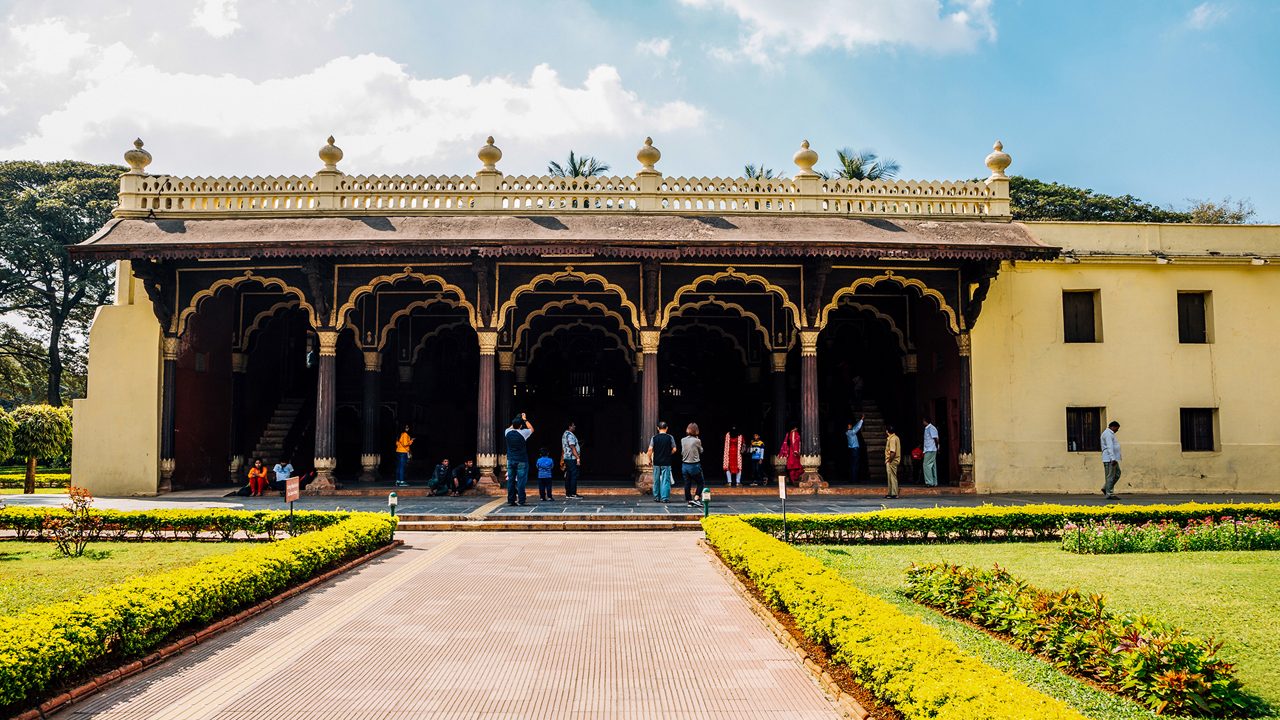
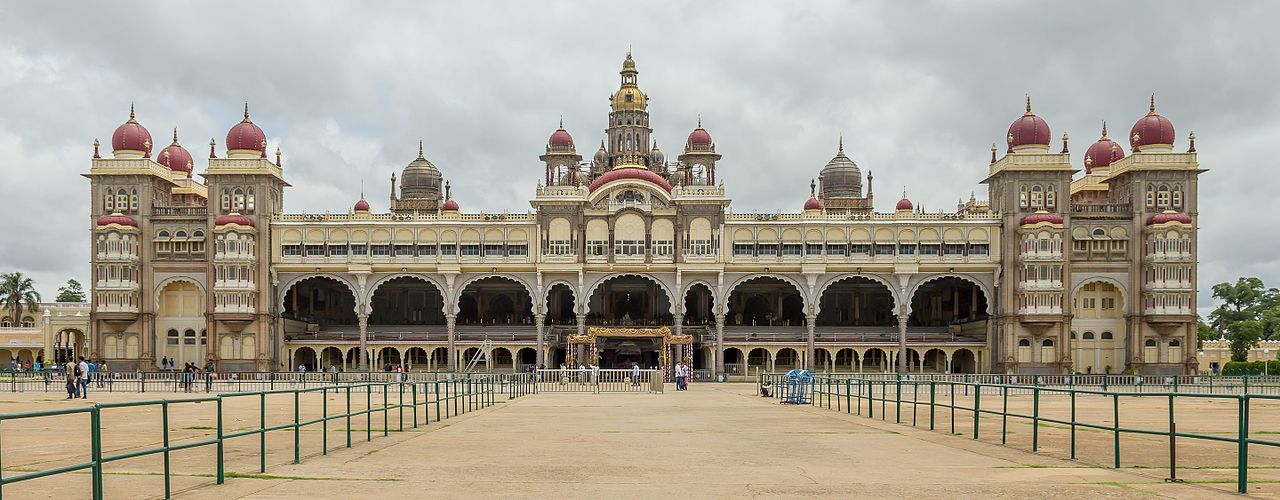
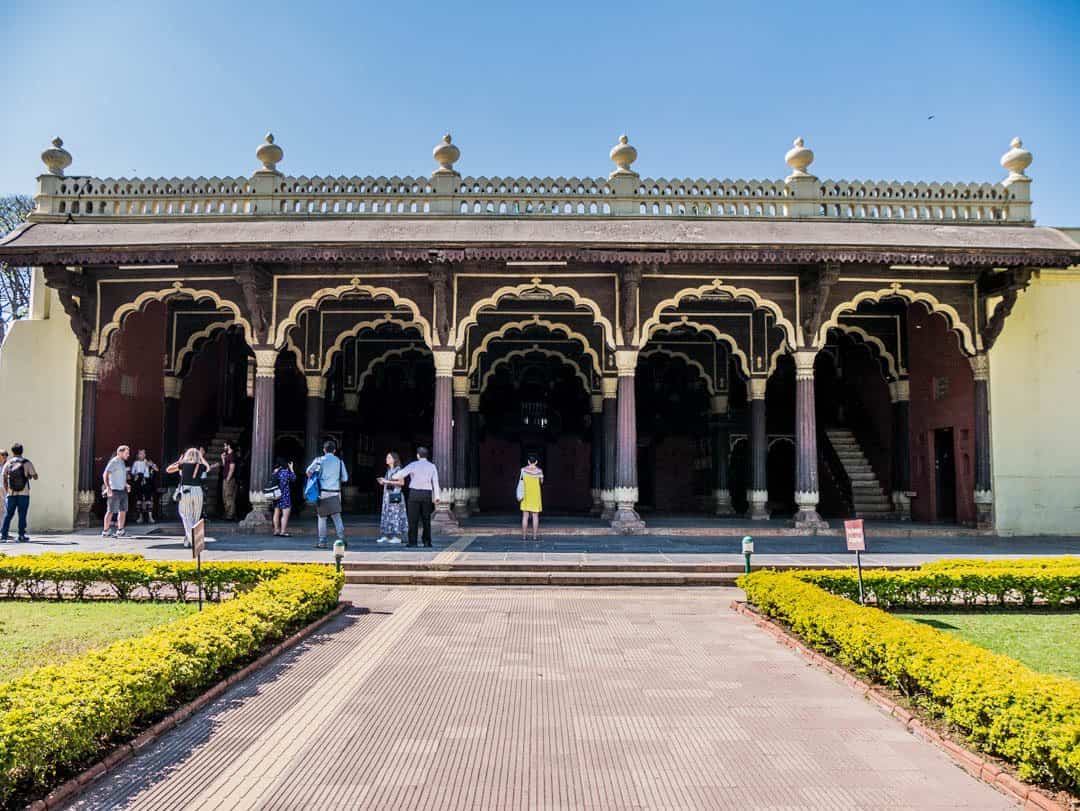
Tipu?s Palace, or Lal Mahal, located in Srirangapatna near the Sri Ranganathaswamy Temple, is a historic landmark with significant cultural and architectural importance. Built in 1791 by Tipu Sultan, the palace served as his summer retreat. It is a two-story structure known for its ornate design, blending Islamic and Indo-Saracenic architectural styles. Following Tipu Sultan's death in 1799, the British took control of the palace and used it as their secretariat until 1867. Today, it stands as a symbol of Tipu Sultan?s legacy and offers a glimpse into the royal history of the region.
The Summer Palace of Tipu Sultan, also known as the Ipu Sultan's Palace, located in the heart of Bangalore, India, stands as a remarkable example of Indo-Islamic architecture and a testament to the grandeur of the Mysorean rulers. Initially conceived by Hyder Ali, the father of Tipu Sultan, the construction of this palace began within the fortified walls of Bangalore Fort. However, it was during the reign of Tipu Sultan, in 1791, that the palace was completed and became his summer residence. The palace's architecture is unique, with its intricate teakwood construction, adorned with beautifully crafted pillars, arches, and balconies that offer a glimpse into the royal splendor of the time. The palace is a two-story structure, with the upper floor housing the grand durbar hall from where Tipu Sultan is believed to have conducted his court proceedings. This floor features two prominent balconies, one facing east and the other west, from which the ruler would address his subjects. The first floor also contains four smaller rooms situated at the corners, known as the Zenana Quarters, which were meant for the royal women. The palace is richly decorated with floral motifs that embellish its walls, adding to its charm. One of the most striking features of the palace is a painting of Tipu Sultan?s envisioned grand throne, which was intended to be made of precious materials like gold and emerald stones. The throne was so grand that Tipu Sultan vowed never to use it until he had completely defeated the British forces. However, after his martyrdom in the Fourth Anglo-Mysore War, the British dismantled the throne and auctioned its parts, as its immense value made it unattainable for a single individual to purchase in its entirety. The ground floor of the palace has been converted into a small museum that showcases the life, achievements, and administration of Tipu Sultan. This museum features portraits of notable figures and scenes from the time of Tipu Sultan, providing visitors with a deeper understanding of the historical context. Among the most significant displays are the clothes and crown of Tipu Sultan, displayed on silver and gold pedestals, and the silver vessels gifted to King Hyder Ali by a general, which highlight the luxurious lifestyle of the Mysorean royalty. Additionally, a replica of the famous ?Tipu Sultan?s Tiger,? a mechanical toy that is currently housed in the Victoria and Albert Museum in London, is displayed here. This rich collection not only provides insight into Tipu Sultan's life but also serves as a reminder of the heritage of a ruler who fiercely resisted British colonial expansion. Today, the Summer Palace is maintained by the Archaeological Survey of India and stands as a popular tourist destination in Bangalore, located near the Kalasipalya bus stand in the city center. The site is open to visitors for a nominal entry fee of ₹20 for Indian citizens and ₹200 (approximately $2.30) for foreign visitors. It remains an enduring symbol of Tipu Sultan's legacy and his contributions to the history and culture of India.
Year of Built: 18th Century
Address: Srirangapatna, Karnataka
Country: India
State: Karnataka
District: Mysuru
Pincode: 571438
Longitude: 77.573572
Latitude: 12.959494