
Indo Islamic Heritage


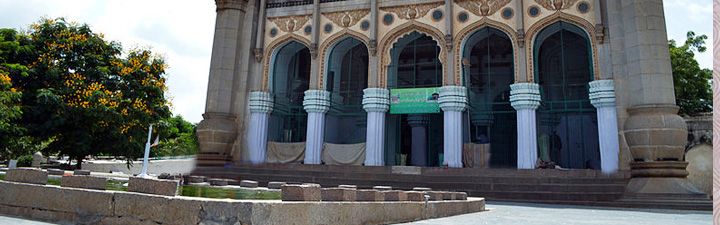
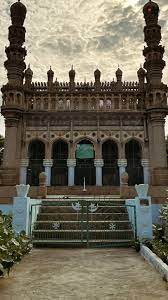
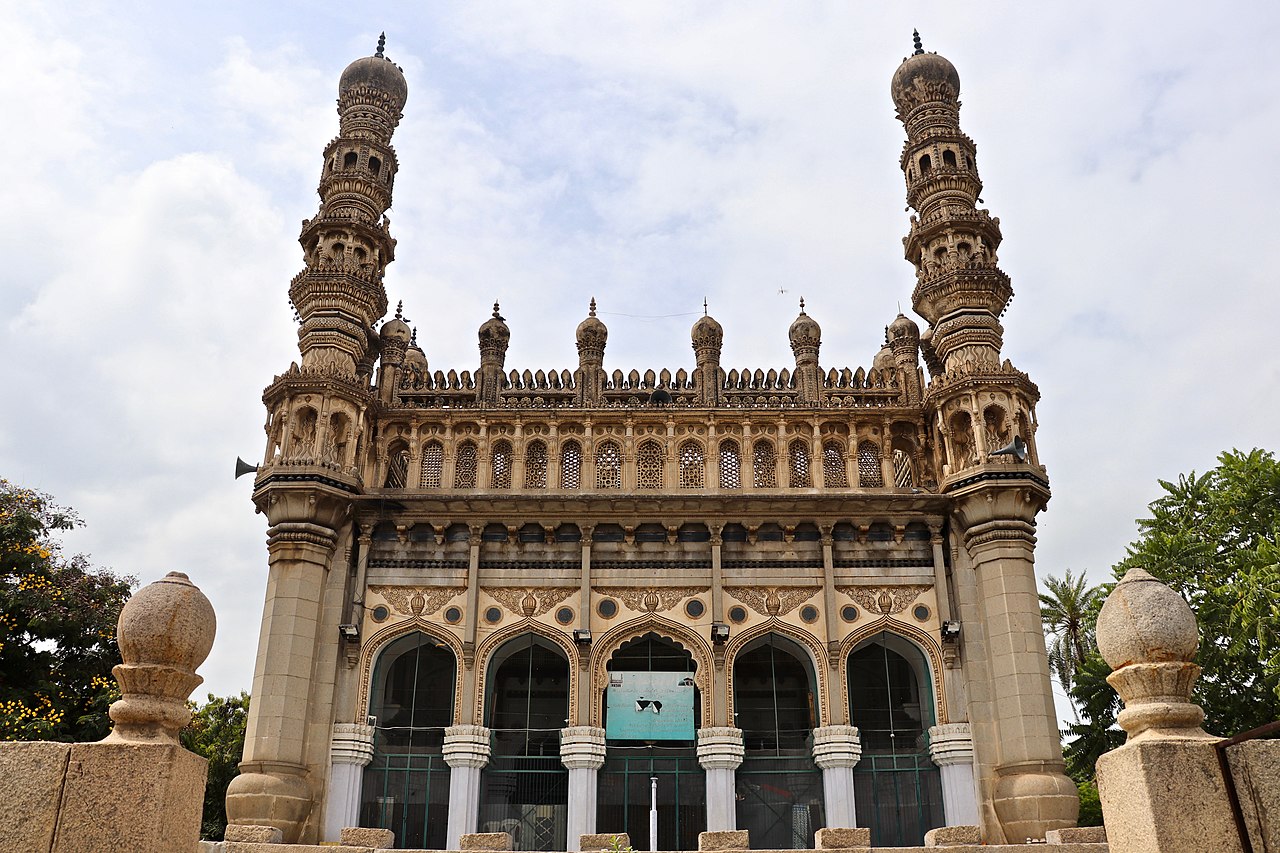
The Toli Masjid, also known as Damri Masjid, is a historic mosque in Hyderabad, Telangana, India. Constructed during the Qutb Shahi period, it was completed in 1671, reflecting the architectural style and cultural syncretism of the era.
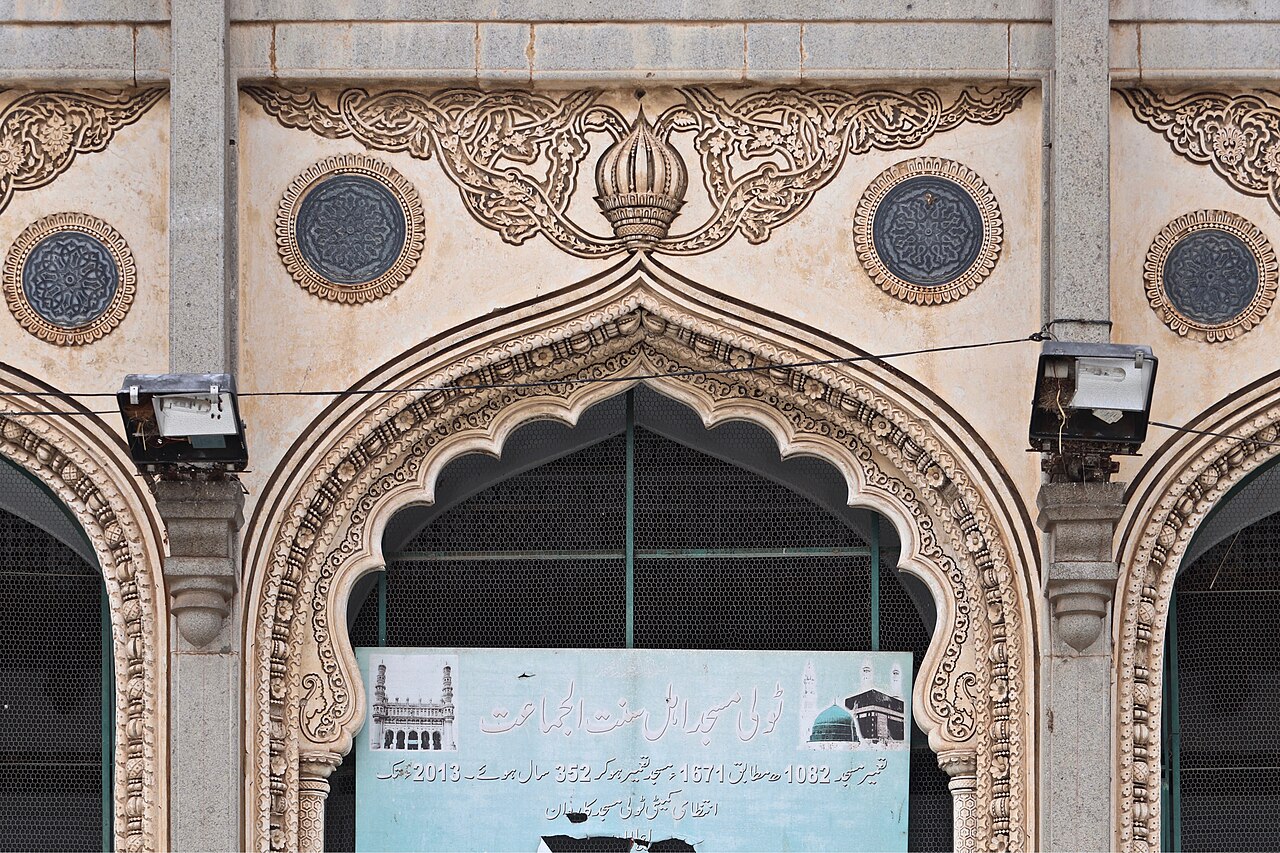
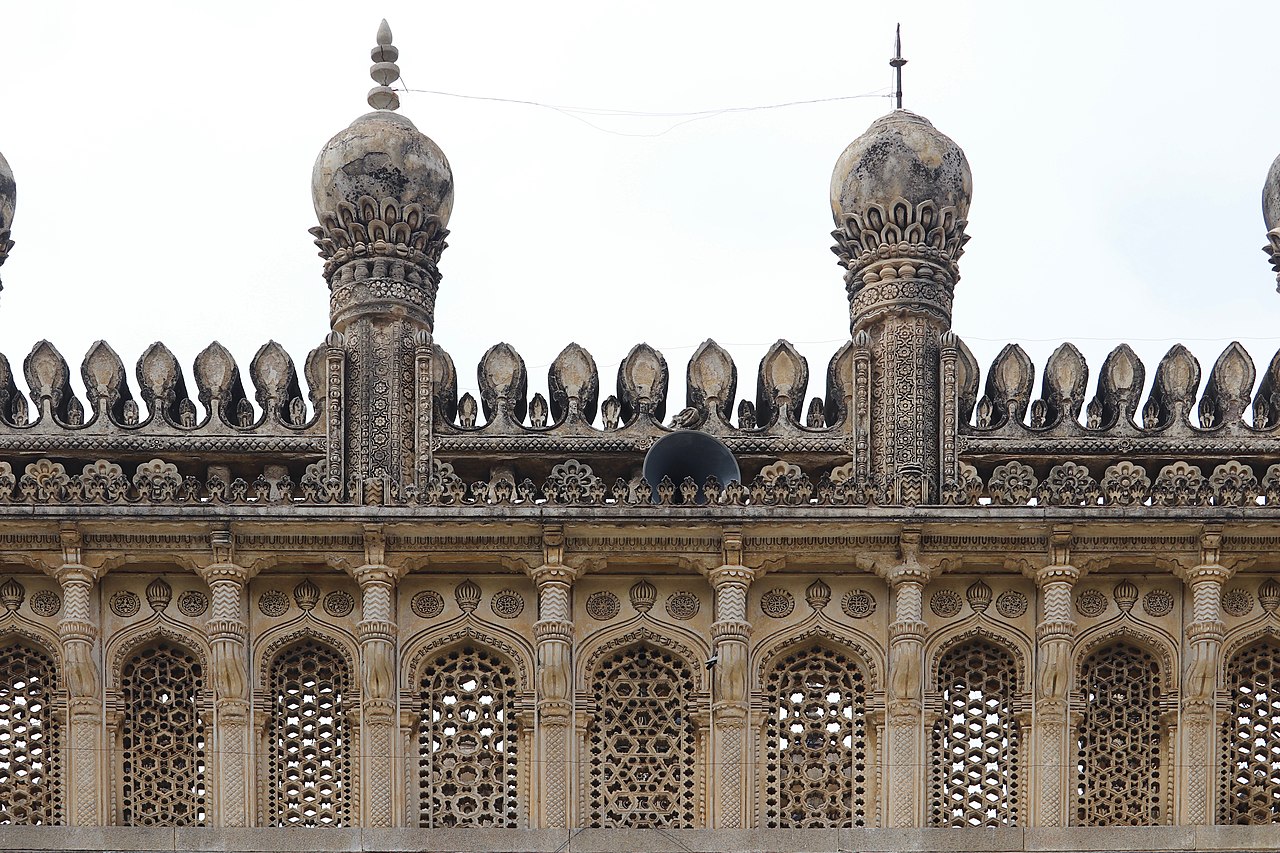
The Toli Masjid, also known as Damri Masjid, was commissioned by Musa Khan, a prominent figure during the reign of Abdullah Qutb Shah, and completed in 1671 CE. Musa Khan served as the mahaldar (chamberlain), minister, and general under Abdullah Qutb Shah. According to the historical record Gulzar-e-Asafiyah, Musa Khan was also in charge of the construction of the Mecca Masjid in Hyderabad. While overseeing this project, he received a discount of one damri per rupee on the building expenditure. Musa Khan used this discounted amount to construct the Toli Masjid, which led to its alternative name, Damri Masjid. The mosque is situated in Karwan, along the historically significant road that connected the Golconda Fort to the newly established city of Hyderabad via Purana Pul. This location highlights the mosque's strategic importance during the Qutb Shahi era, as it lay on a vital route linking the citadel of Golconda to the bustling city. Today, the Toli Masjid is recognized as a state-protected monument, although its surrounding lands have been encroached upon, and the mosque itself suffers from neglect. Architecture The Toli Masjid is a remarkable example of late Qutb Shahi architecture, showcasing the culmination of decorative tendencies seen in earlier mosques of the period. It displays a unique blend of Islamic and Hindu architectural influences, particularly evident in its excessive ornamentation and structural elements. Notable Hindu features include elephant-tusk brackets, pot-shaped bases for the minarets, and post-and-lintel niches, similar to those used in temples to house deities. The parapet wall, adorned with miniature minarets, echoes the design of miniature shikharas seen in Hindu temples. Exterior Features The mosque is built on a high raised platform, approximately 6 feet (1.8 meters) tall, which forms the courtyard. Access to the courtyard is provided by steps on the north, south, and east sides. The mosque building itself stands 4 feet (1.2 meters) higher, positioned at the western end of the courtyard. Near the southeastern corner of the courtyard lies the grave of Musa Khan. The structure employs ashlar masonry for its lower portion, while the upper sections are constructed using brick and lime, likely to facilitate the intricate cut-plaster decoration. The fa?ade features five arched openings, with the central arch slightly wider and more elaborately decorated than the others. This design follows the Qutb Shahi tradition of five-arched fa?ades, symbolizing the Panjtan (the five holy figures of Islam). Decorative granite columns flank each arch, extending upward to the roof, and are embellished with basalt medallions and stucco ornamentation. Above the fa?ade is a double parapet wall, consisting of arched windows with jali (lattice) work. The parapet is further adorned with miniature minarets. Two imposing minarets, approximately 60 feet (18 meters) tall, flank the mosque. These minarets rest on pot-shaped bases that support octagonal shafts, rising to three galleries with decorative balconies. Each minaret is capped with a dome and finial. Interior Features The mosque is divided into two halls. The outer hall features five arched openings, while the inner hall has three. On the western wall of the inner hall is the prayer niche (mihrab), which is semi-decagonal in shape. A Persian inscription in Naskh script is engraved on the mihrab, bearing the following text: "For whom is the Kingdom today? For God, the One, the All-powerful. Musa Khan built this mosque of his, Which was completed in the reign of Shah Abdullah. As a chronogram of the mosque this was heard (from the Invisible Speaker): 'Built the mosque in the name of God.' 1082 AH (1671 CE)." Additional Features Originally, the Toli Masjid was surrounded by a large garden, though little of it remains today. A stepwell located within the premises adds to the historical and architectural significance of the mosque. The mosque?s exterior also features a chajja (eave) supported by beams and brackets, along with three flat domes above the inner hall. Despite its historical and architectural significance, the mosque now suffers from neglect, with encroachments on its endowed lands and the structure itself in need of preservation.
Year of Built: 17th Century
Address: Karan Singh Marg, Kphs Colony, Ramsingh Pura, Girkapalli, Karwan East, Hyderabad, Telangana
Country: India
State: Telangana
District: Hyderabad
Pincode: 500006
Longitude: 78.43897
Latitude: 17.37461