
Indo Islamic Heritage


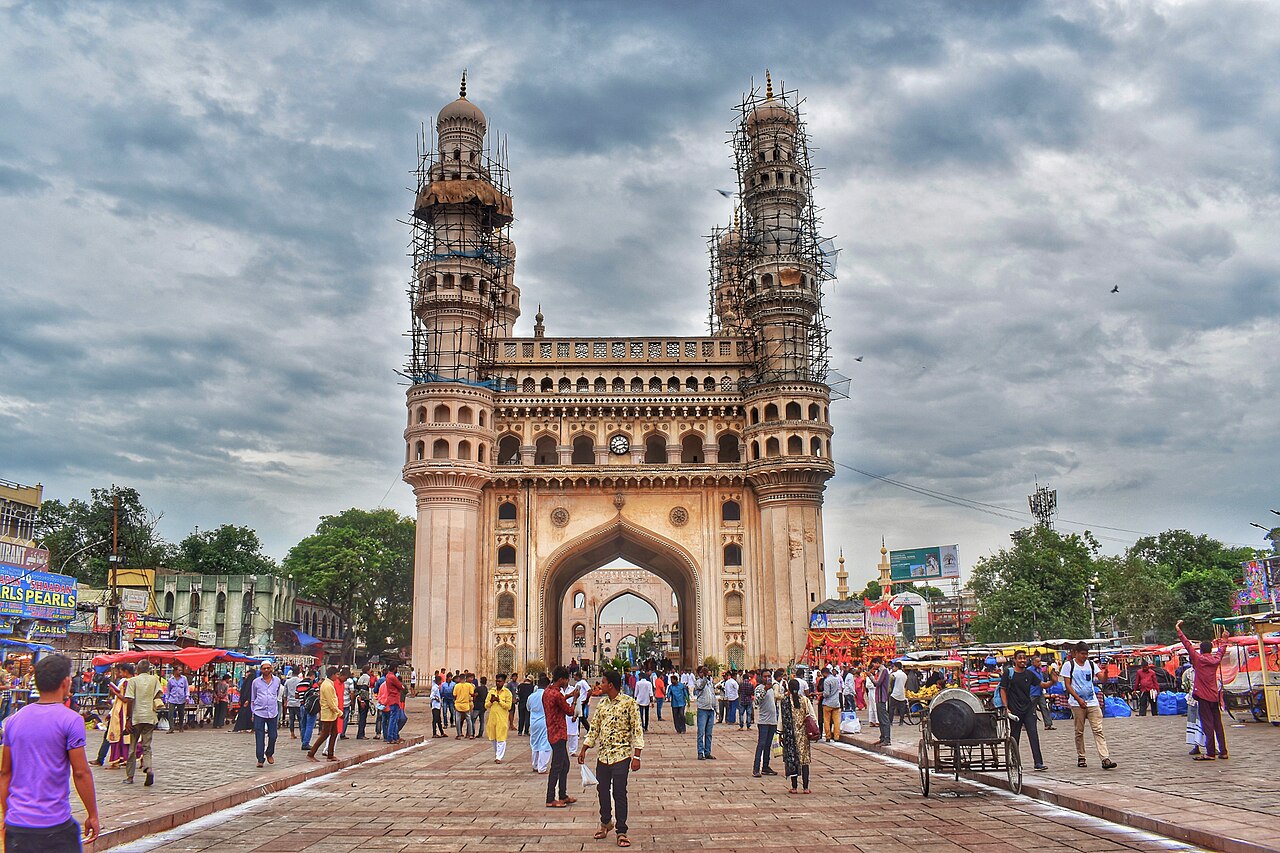
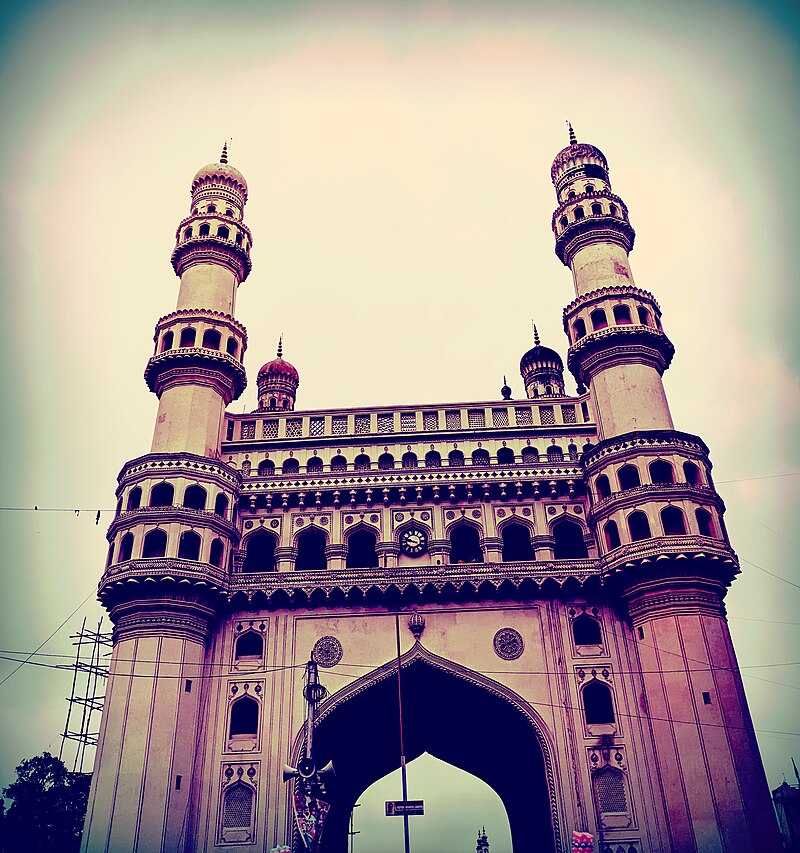
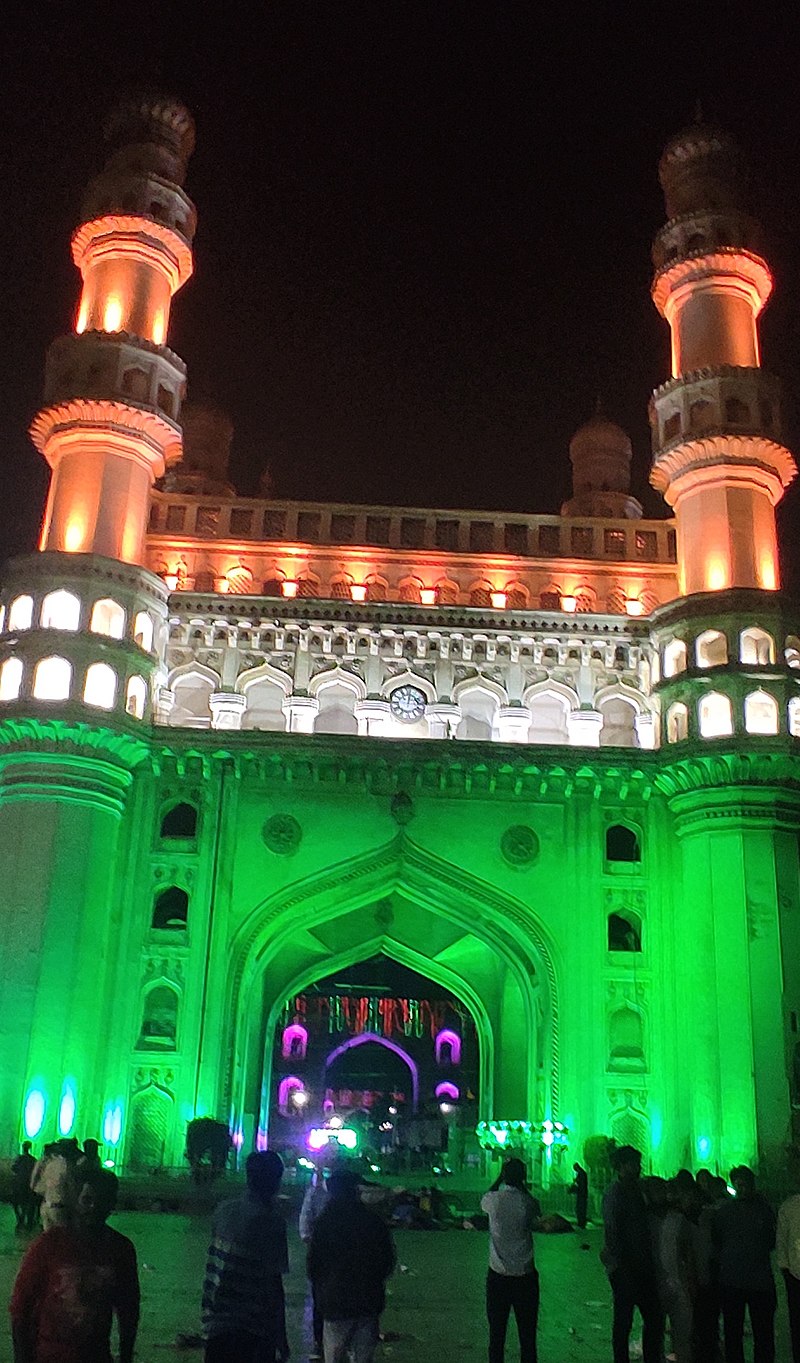
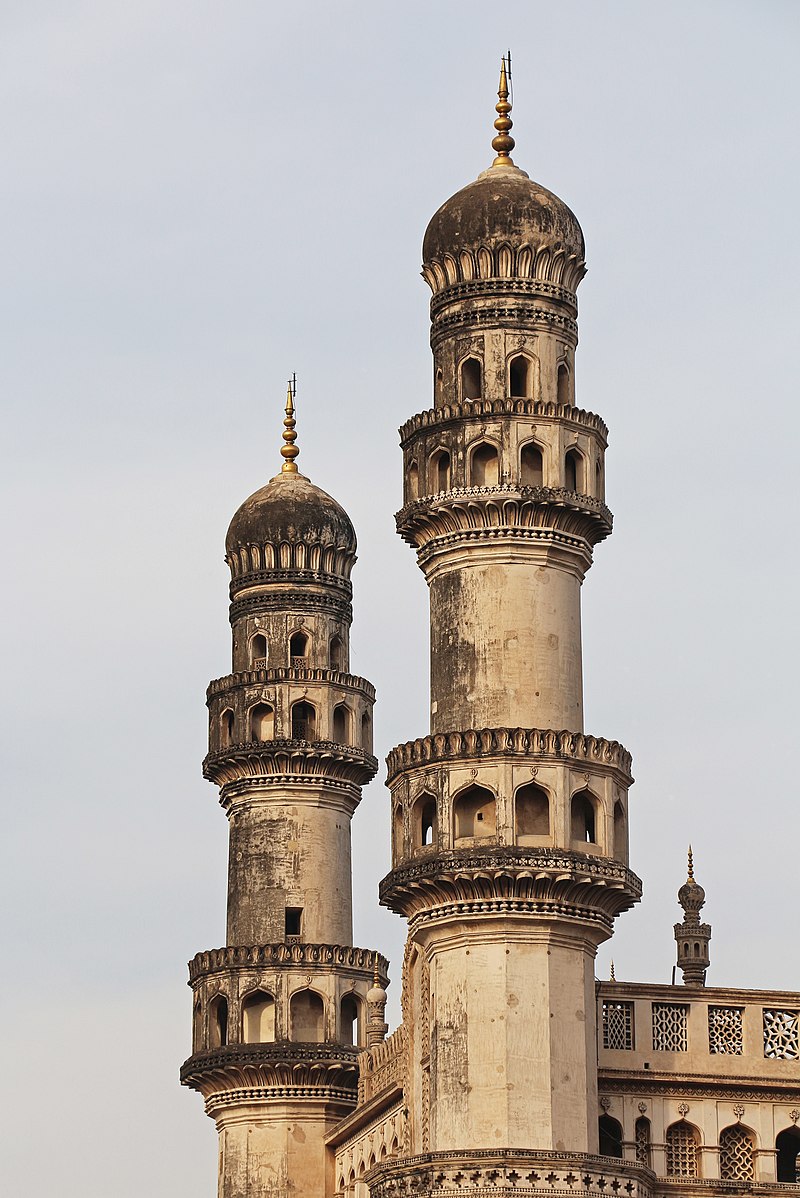
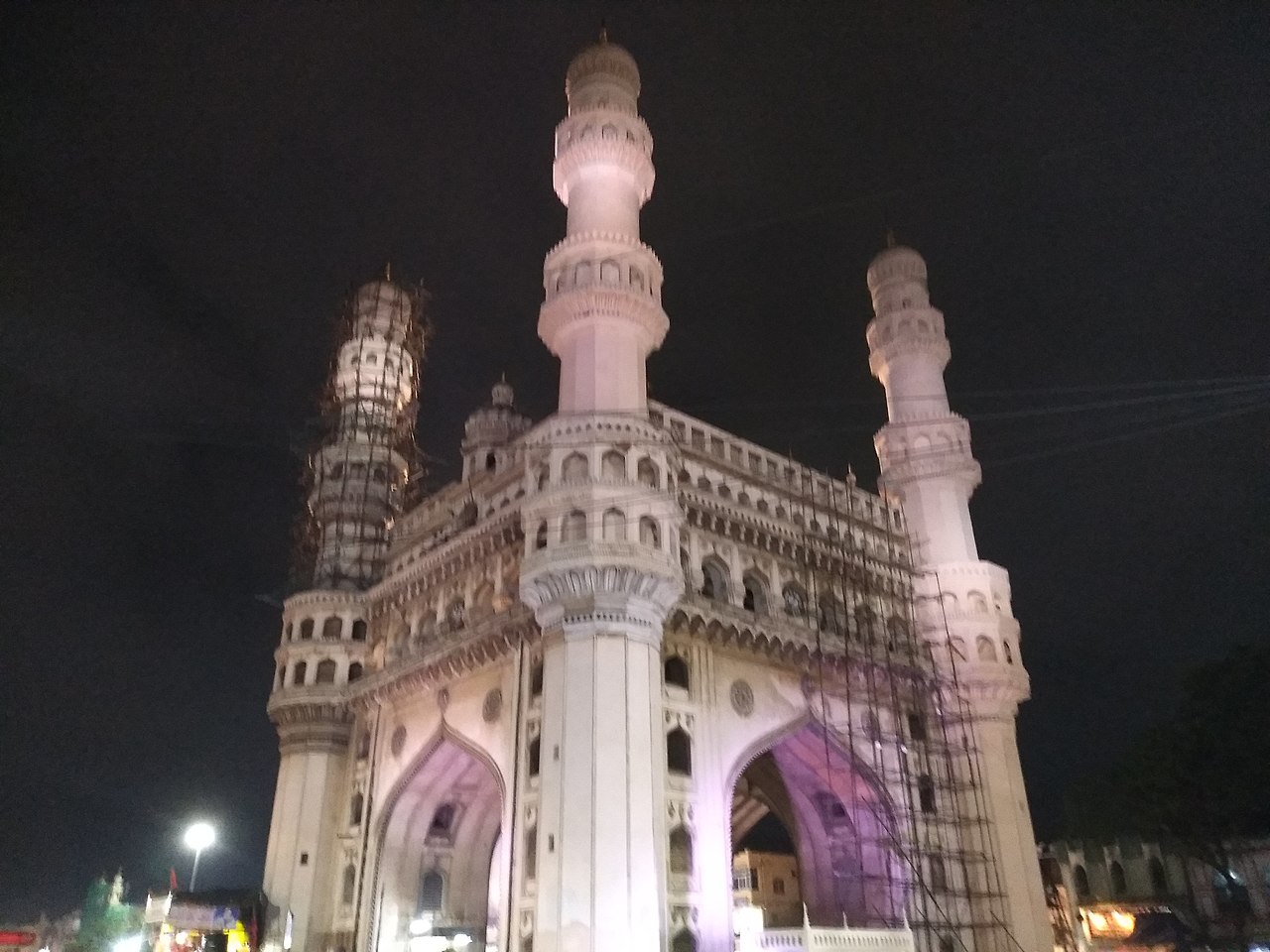
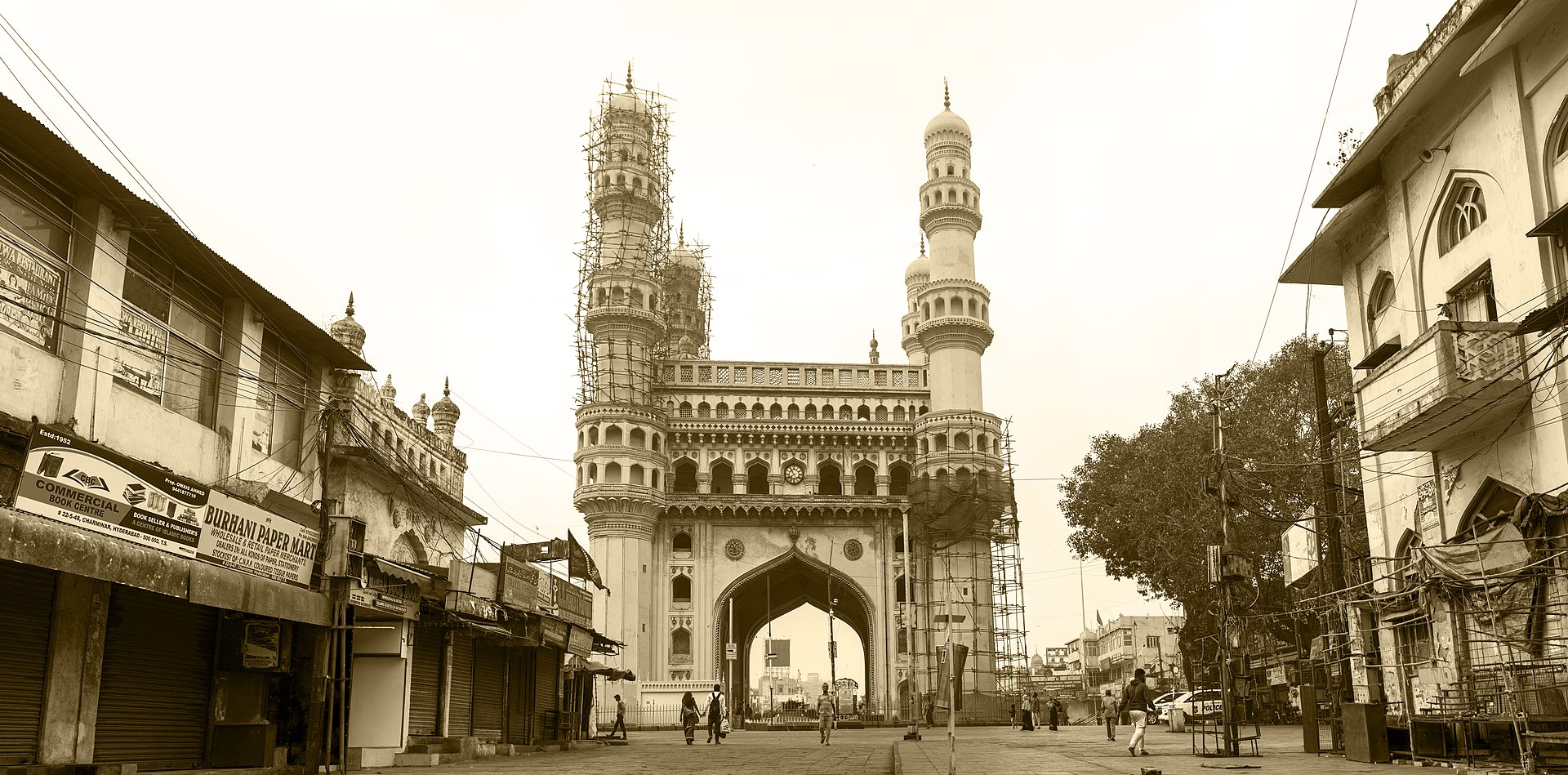
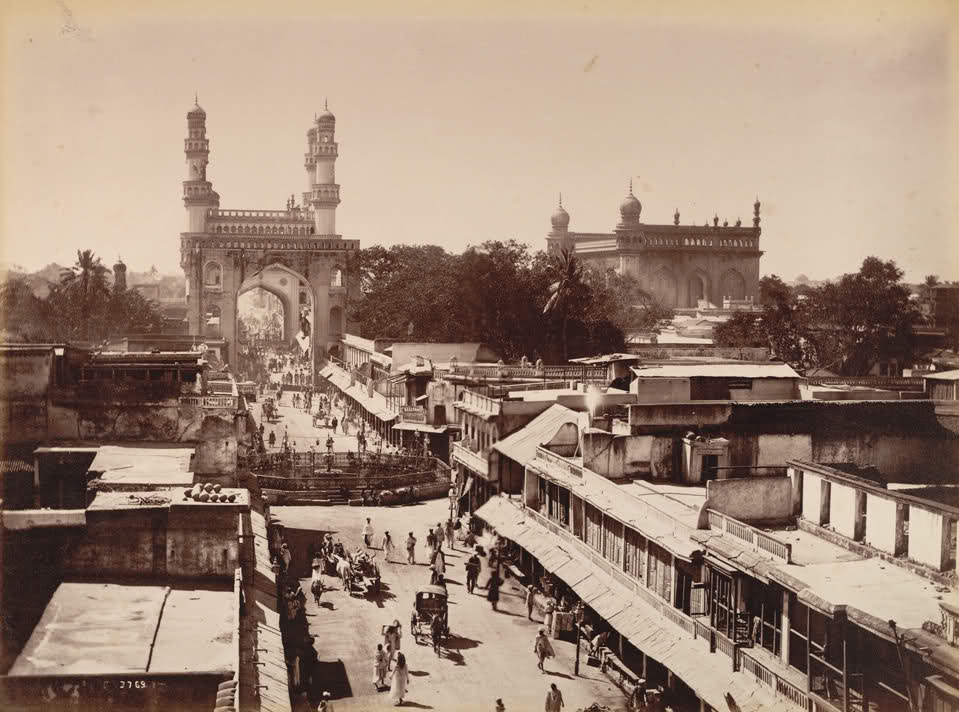
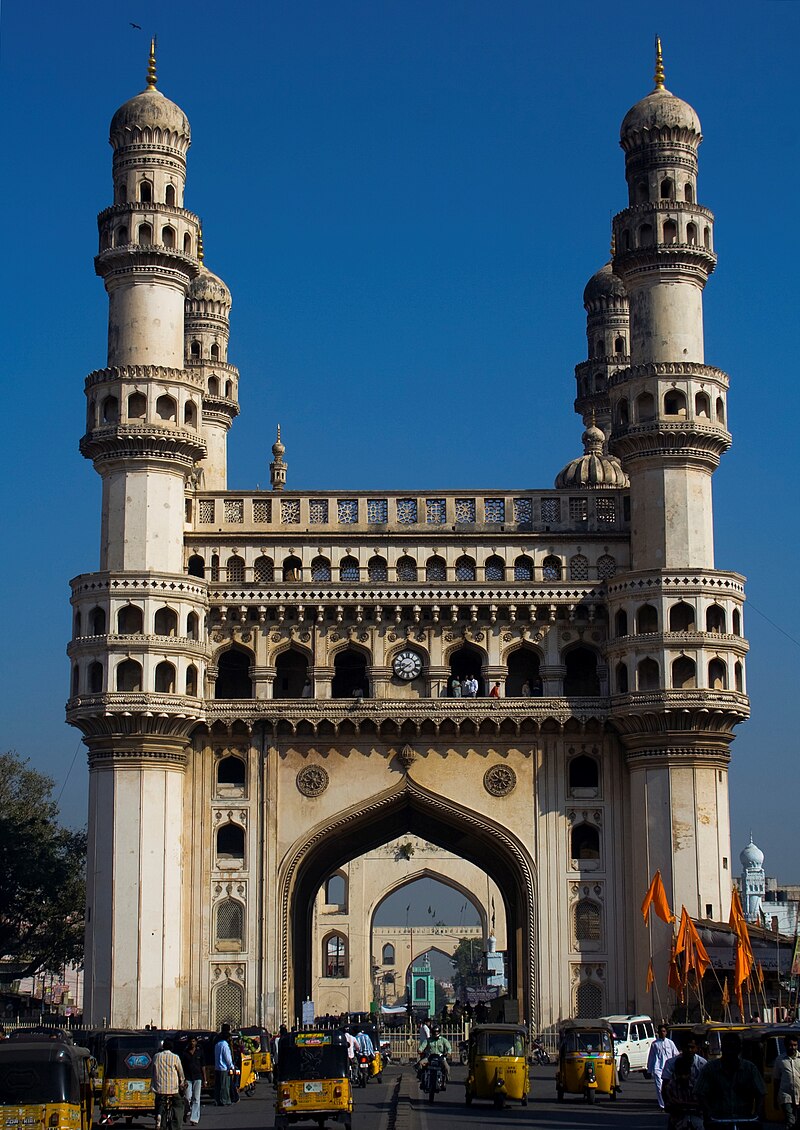
The Charminar, meaning 'Four Minarets,' is a historic monument situated in Hyderabad, Telangana, India. Built in 1591, this iconic structure is synonymous with the city's heritage and culture. It serves as a symbol of Hyderabad and is officially featured in the emblem of Telangana.
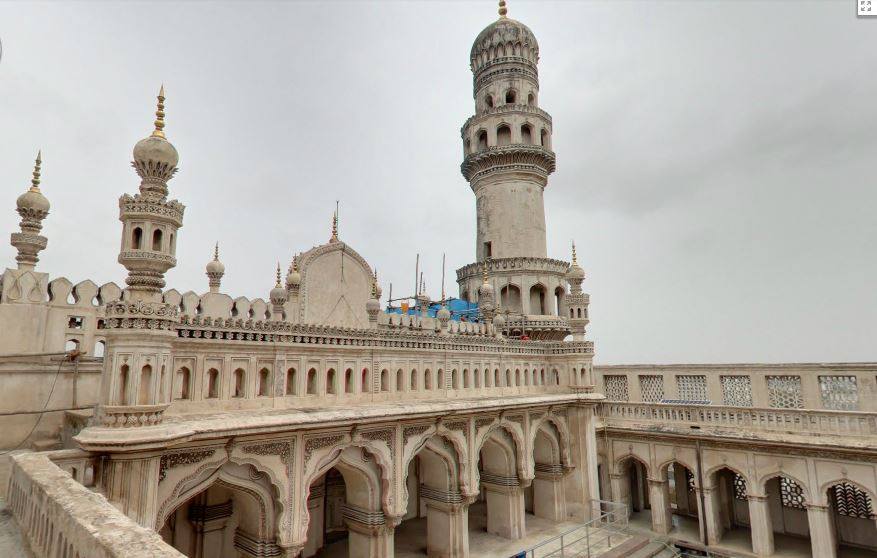
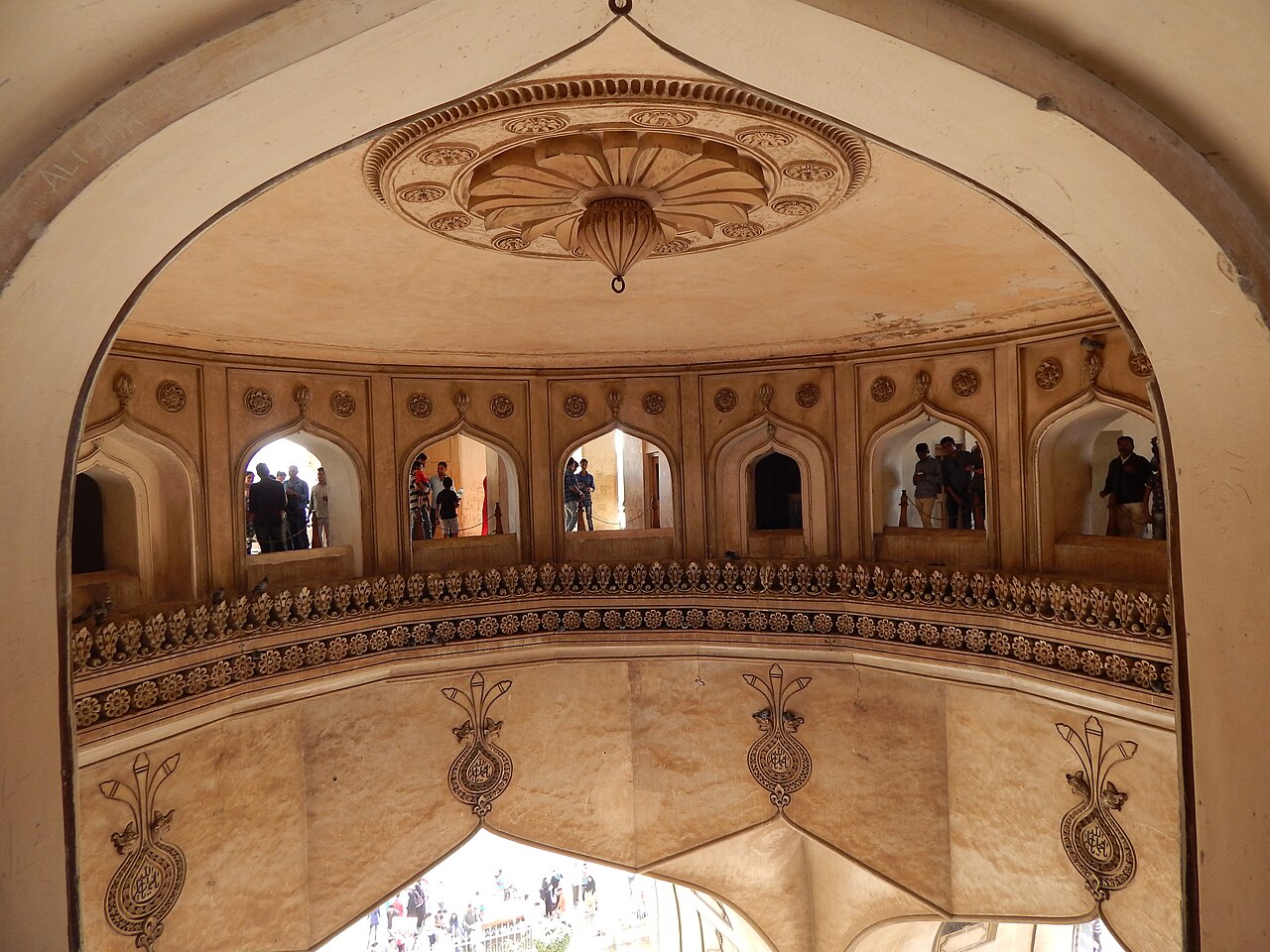
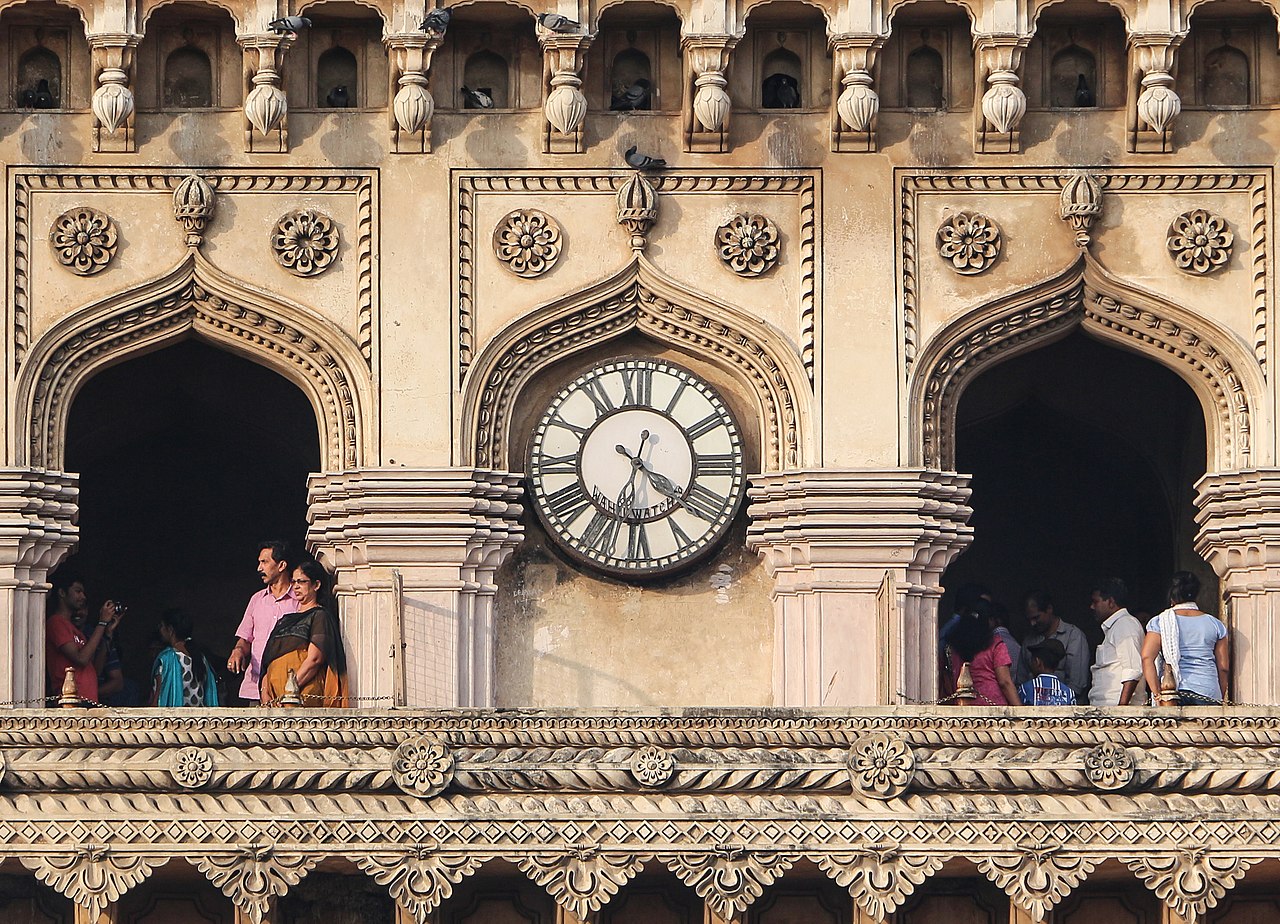
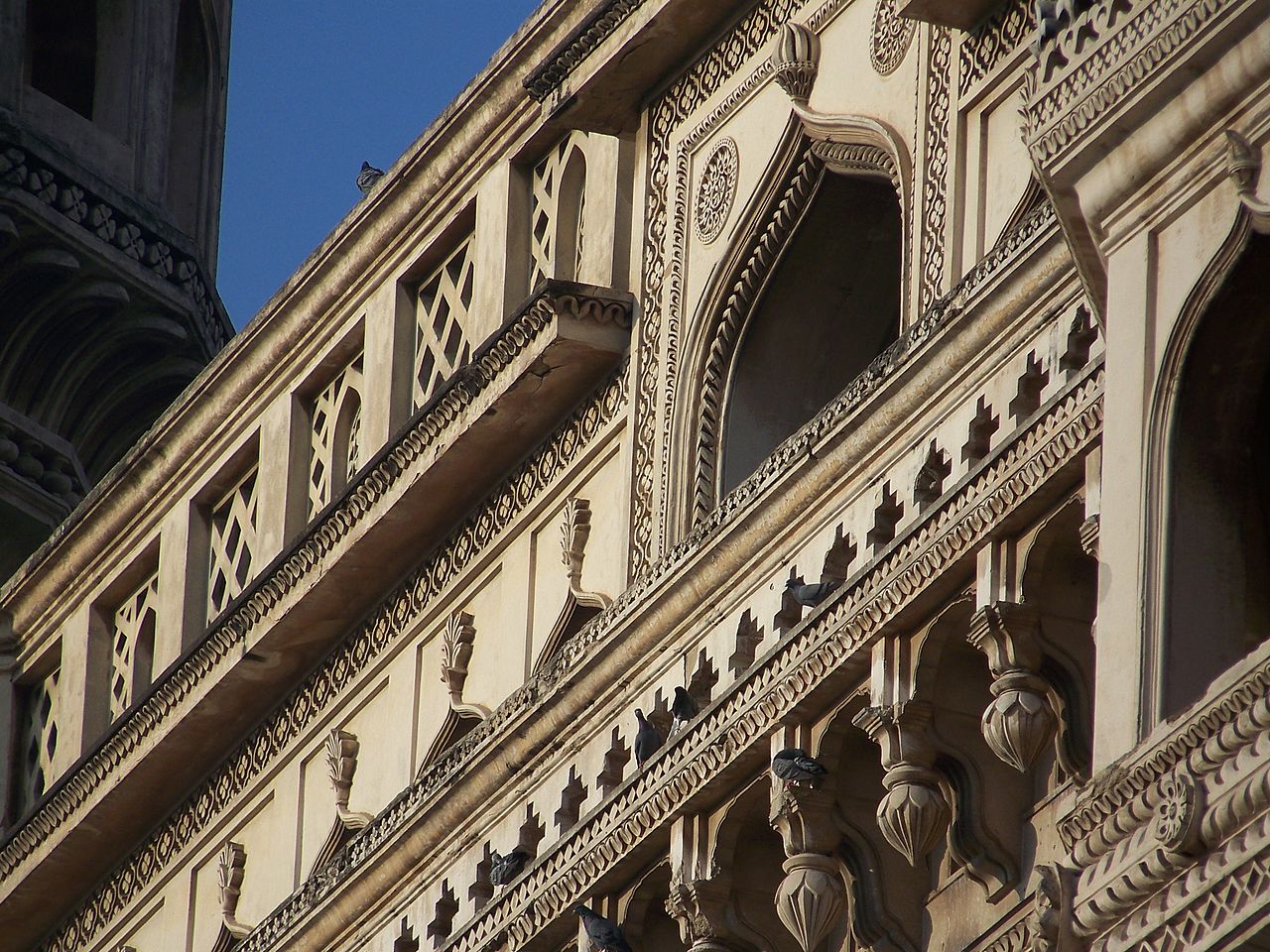
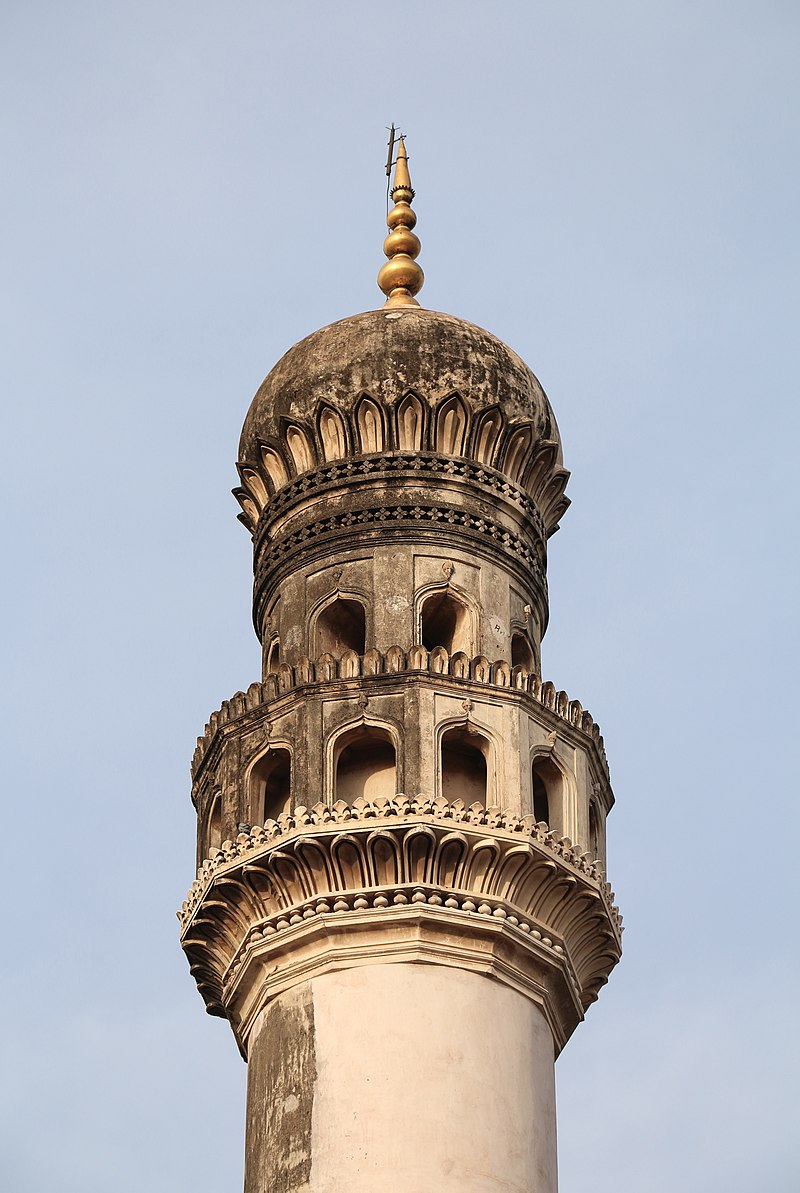
The Charminar, an architectural marvel and iconic landmark, was built in 1591 by Muhammad Quli Qutb Shah, the fifth ruler of the Qutb Shahi dynasty, after he shifted his capital from Golconda to the newly established city of Hyderabad. This monumental structure was constructed at the intersection of a historical trade route connecting Hyderabad to international markets via the port city of Machilipatnam. The Charminar is widely regarded as the centerpiece of Hyderabad?s Old City, with its design forming the core of the city?s urban layout, which spread out in four quadrants. Surrounding the Charminar, in cardinal directions, are the Char Kaman or Four Arches, adding to its grandeur. The city?s development incorporated contributions from eminent Persian architects, further emphasizing its Indo-Islamic architectural style infused with Persian elements. The purpose of the Charminar?s construction is surrounded by several theories. According to records of the Archaeological Survey of India (ASI), it was built to commemorate the eradication of the plague, a deadly epidemic that afflicted the region during that time. French traveler Jean de Th?venot provided another perspective, suggesting that it was erected to mark the beginning of the second Islamic millennium year, or 1000 AH, which was celebrated widely across the Islamic world. Construction of this magnificent structure began in 1589 and was completed in two years at an estimated cost of ₹9 lakhs (equivalent to around 2 lakh gold coins at the time). The structure weighs an impressive 14,000 tonnes and features a foundation that is approximately 30 feet deep. It sustained damage in 1670 when one of its minarets was struck by lightning, but it was subsequently repaired at a cost of ₹58,000. Later, in 1820, Sikandar Jah carried out renovations costing ₹2 lakhs. The Charminar was designed as a square structure with each side measuring 20 meters (66 feet) in length, featuring grand arches on each of its four sides. These arches open directly onto the streets, aligning with the cardinal directions and symbolizing the bustling activity of the city?s vibrant trade routes. At each corner of the structure stands a towering minaret, each 56 meters (184 feet) tall, adorned with double balconies and crowned by a bulbous dome with intricate petal-like designs at its base. Unlike the standalone minarets of the Taj Mahal, the Charminar?s minarets are integrated into its main structure, and visitors can ascend the 149 winding steps to reach the upper floors. The Charminar was not merely a ceremonial structure; it served as a mosque and madrasa (Islamic school). The mosque occupies the top floor of the four-story structure, featuring 45 covered prayer spaces and an open area for additional worshippers, particularly during Friday prayers. A vazu, or water cistern with a small fountain, is situated in the center of the mosque for ablution rituals. Above the main galleries, a vaulted dome supports two additional galleries and a terrace bordered by a stone balcony, which was used as a royal court during the Qutb Shahi era. The monument?s intricate stucco decorations, balustrades, and balconies highlight its artistic craftsmanship. Additionally, the monument was proportioned so meticulously that, upon its completion, one could view the four corners of Hyderabad through its grand arches. In 1889, clocks were added to the four cardinal directions of the Charminar, further enhancing its functionality. Today, this historic structure, built using granite, limestone, mortar, and pulverized marble, stands as a testament to Hyderabad?s rich cultural and architectural legacy. It remains a symbol of the city and a source of pride for Telangana, embodying centuries of history, craftsmanship, and urban ingenuity.
Year of Built: 16th Century
Address: Charminar Rd, Char Kaman, Ghansi Bazaar, Hyderabad, Telangana
Country: India
State: Telangana
District: Hyderabad
Pincode: 500002
Longitude: 78.47467
Latitude: 17.36163