
Indo Islamic Heritage


.jpg)
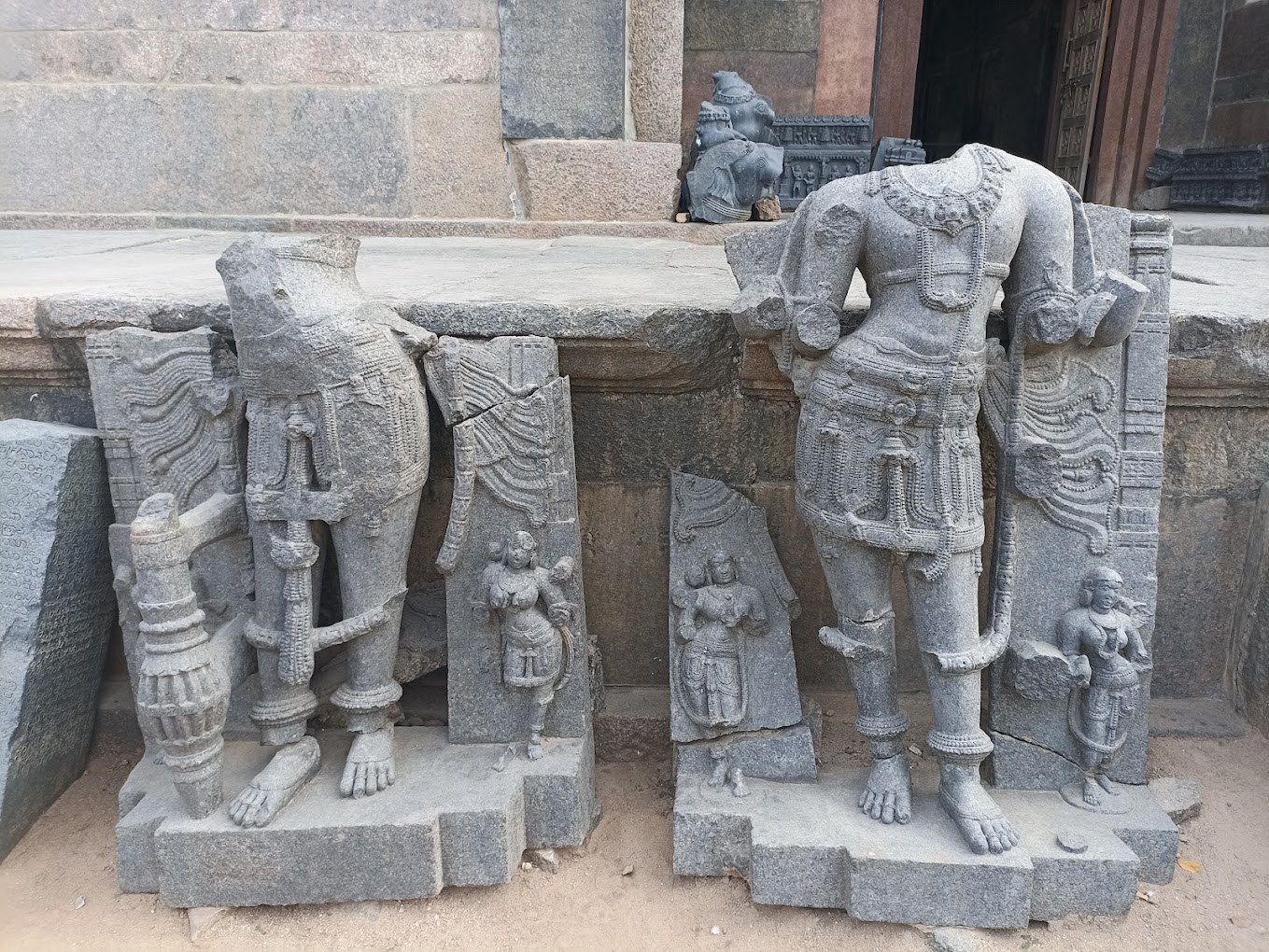
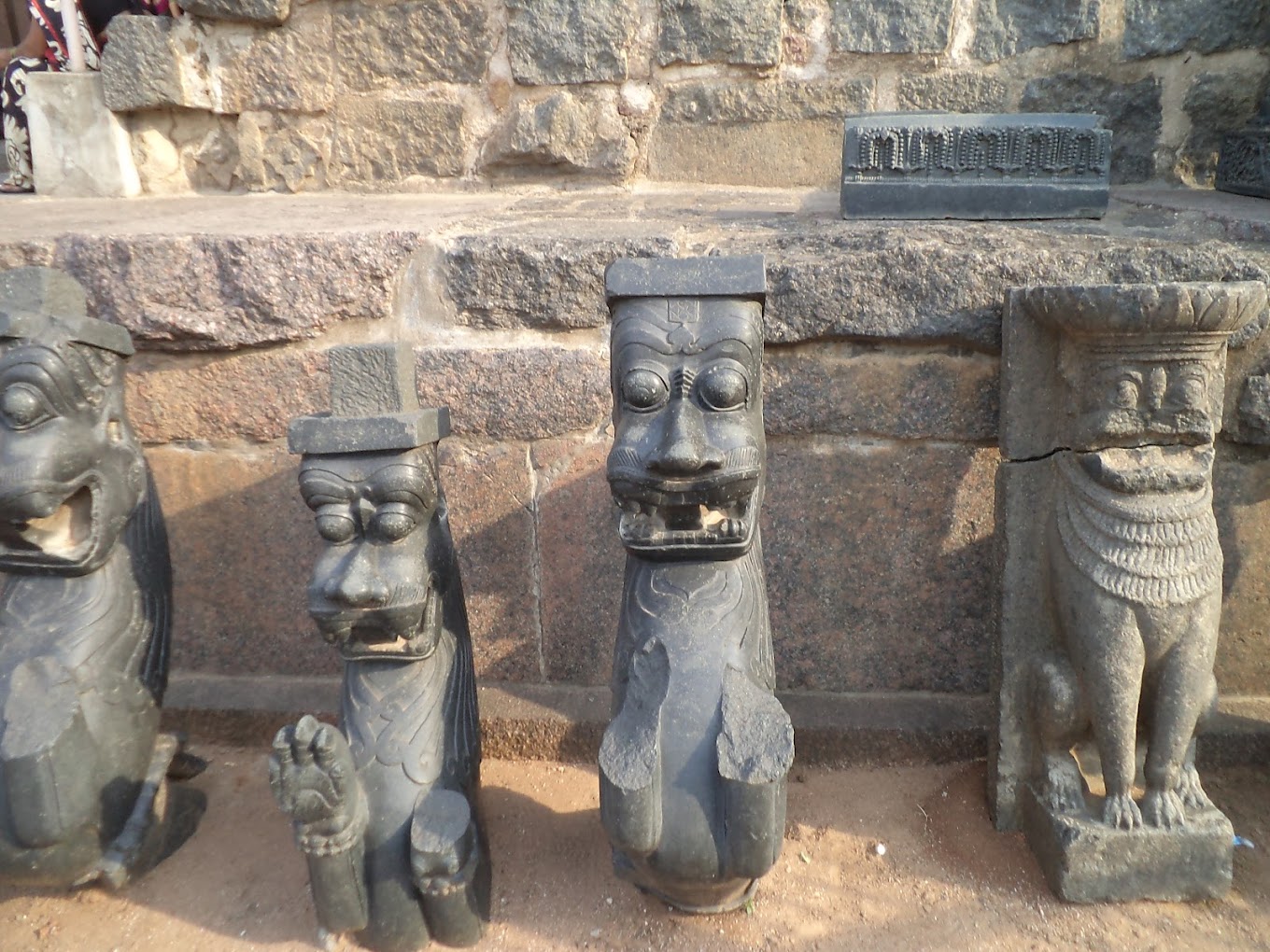
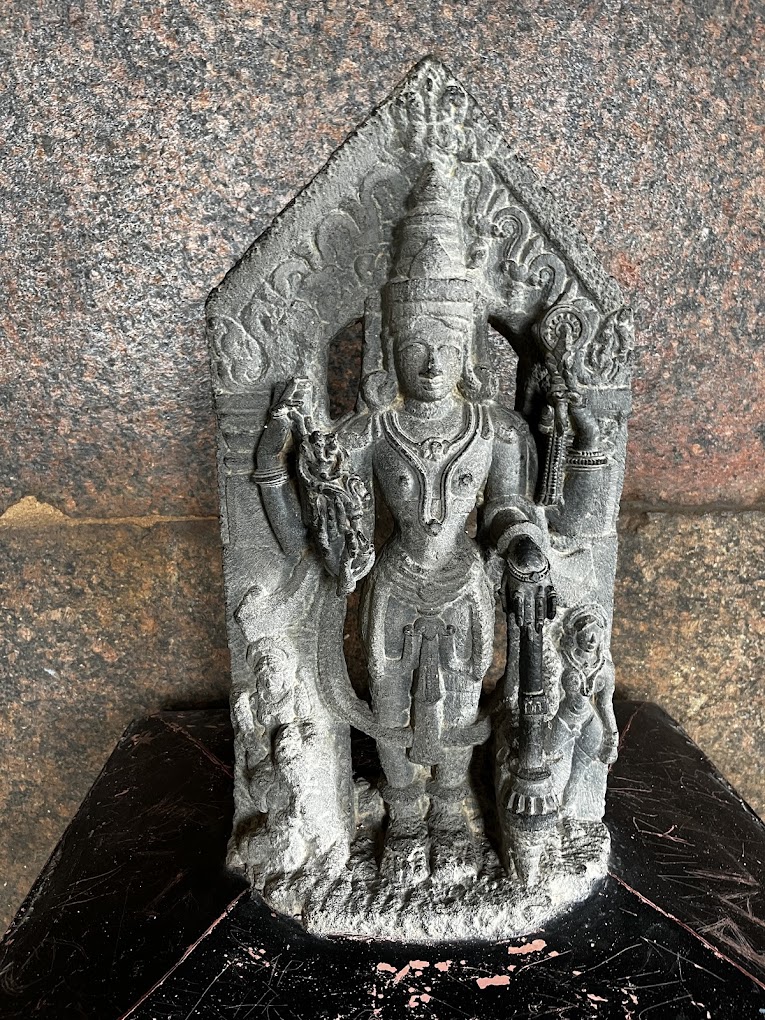
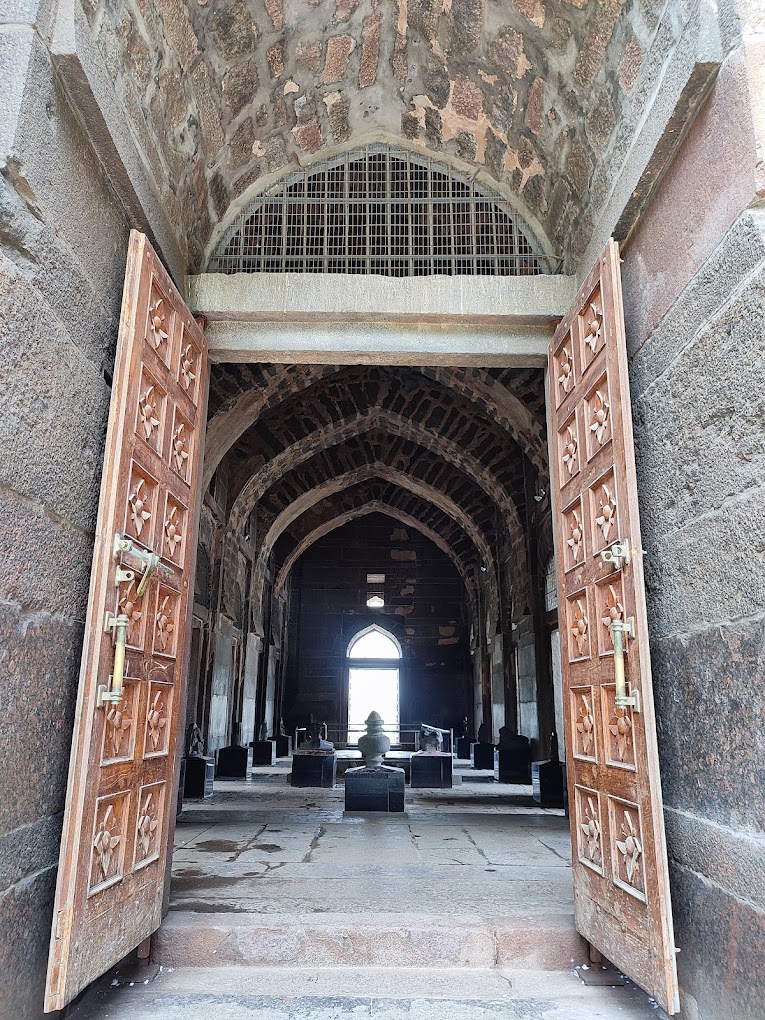
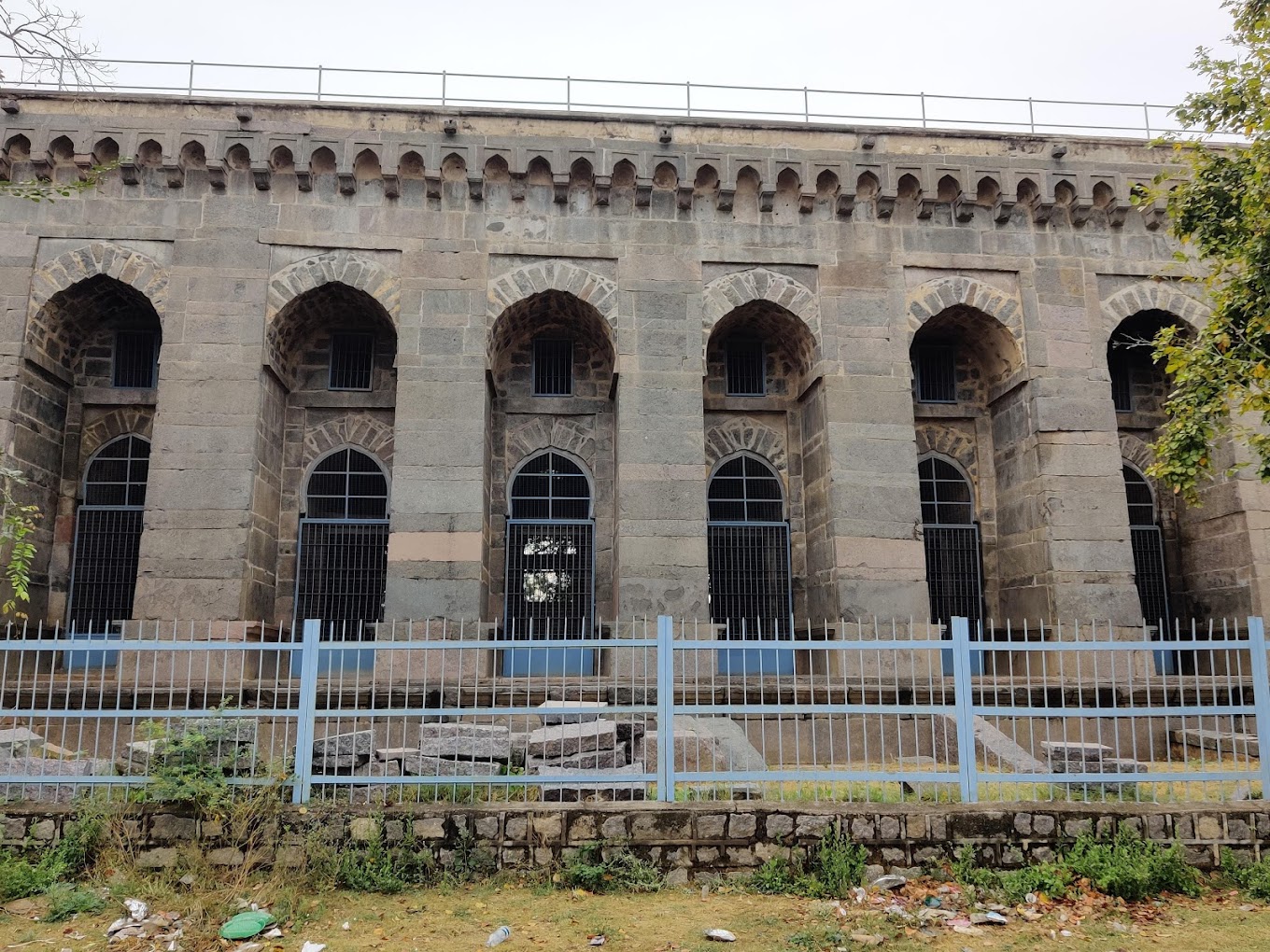
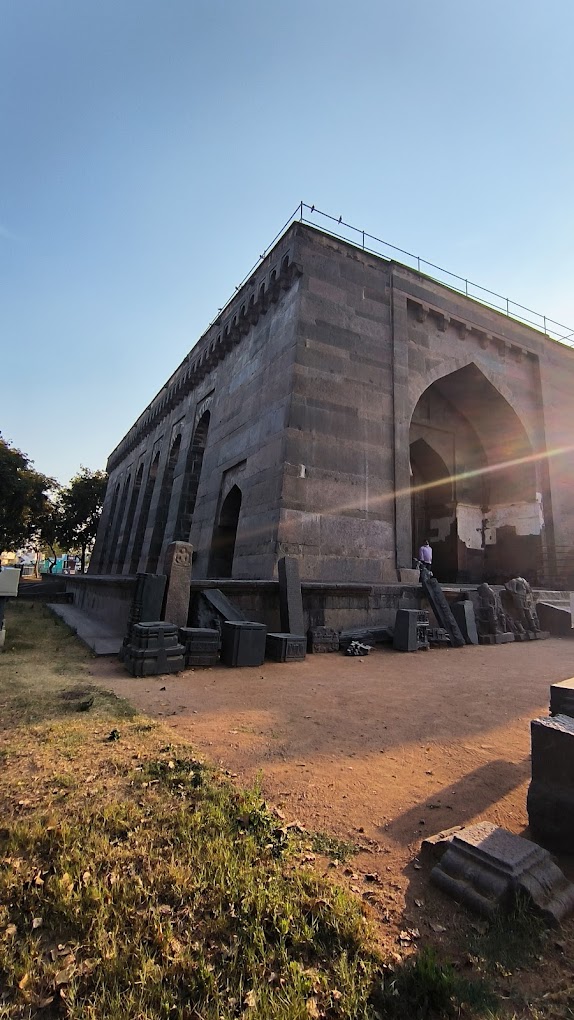
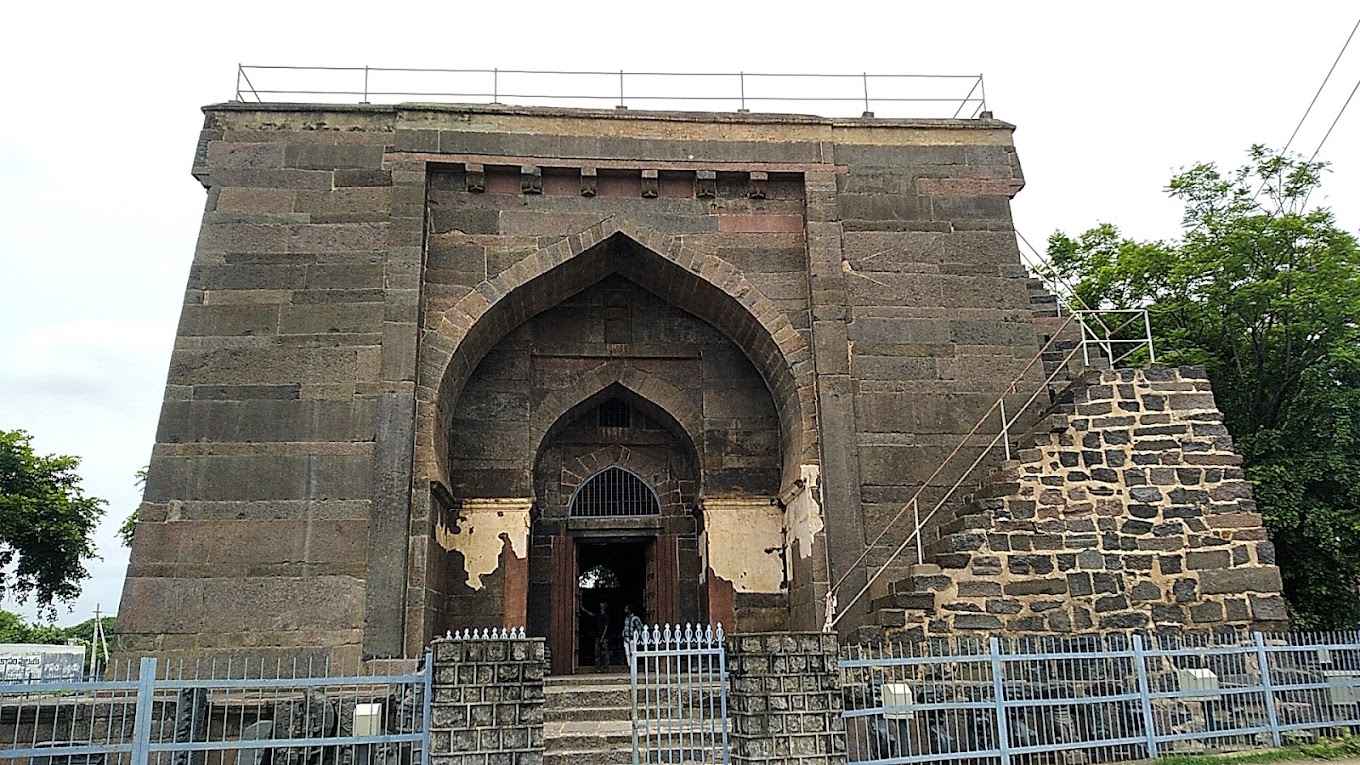
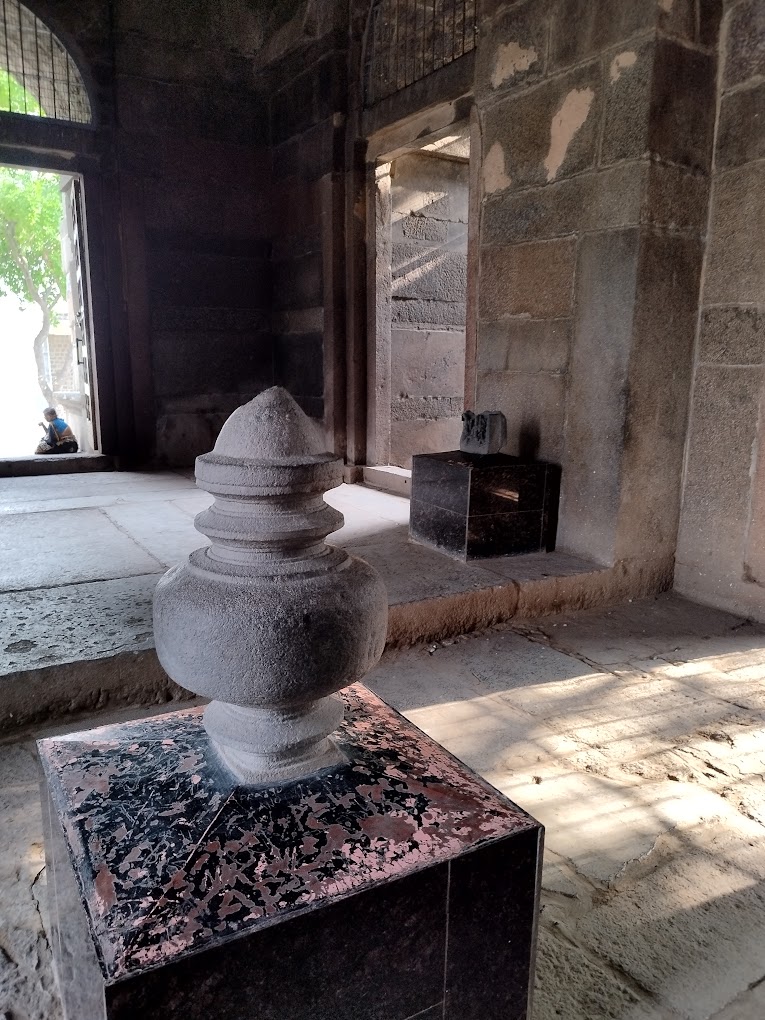
Khush Mahal, also known as Shitab Khan Mahal, stands as a remarkable testament to the grandeur of medieval architecture. Built in the 14th century by the Tughlaq Dynasty, this historical structure is located approximately 7 kilometers from the center of Warangal city, near the iconic Warangal Fort. It is one of the few surviving monuments from the Tughlaq era, making it a must-visit destination for history enthusiasts and tourists alike. The Mahal carries immense historical significance, marking the end of the Kakatiya Dynasty and the establishment of Tughlaq rule in the region.
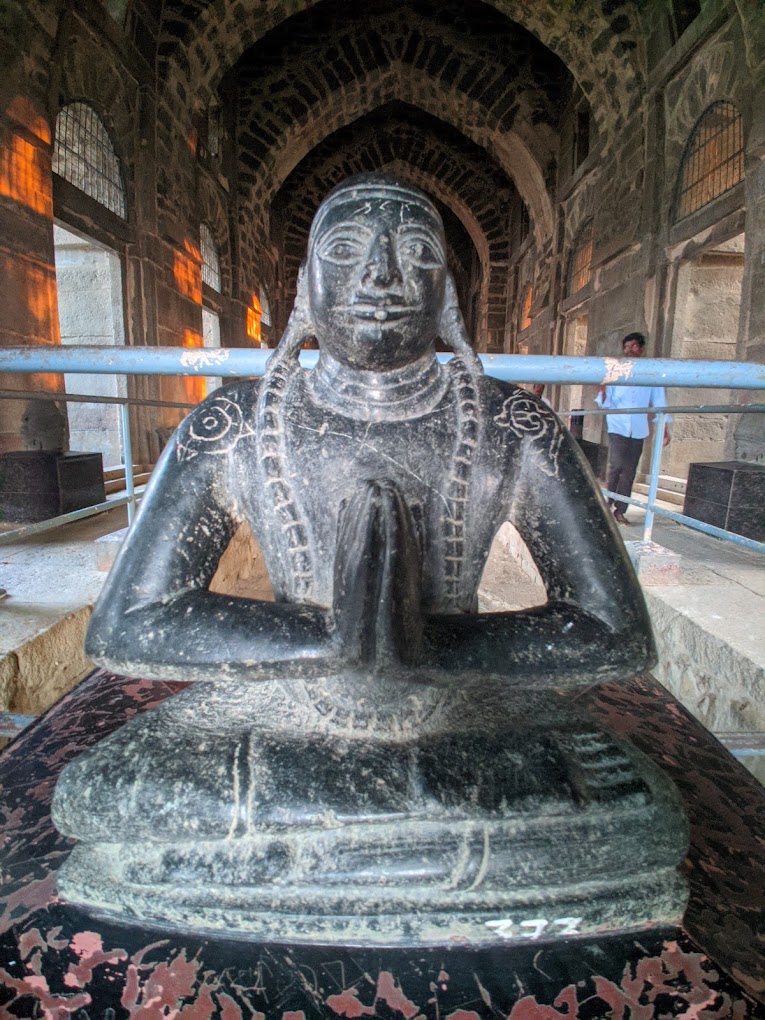
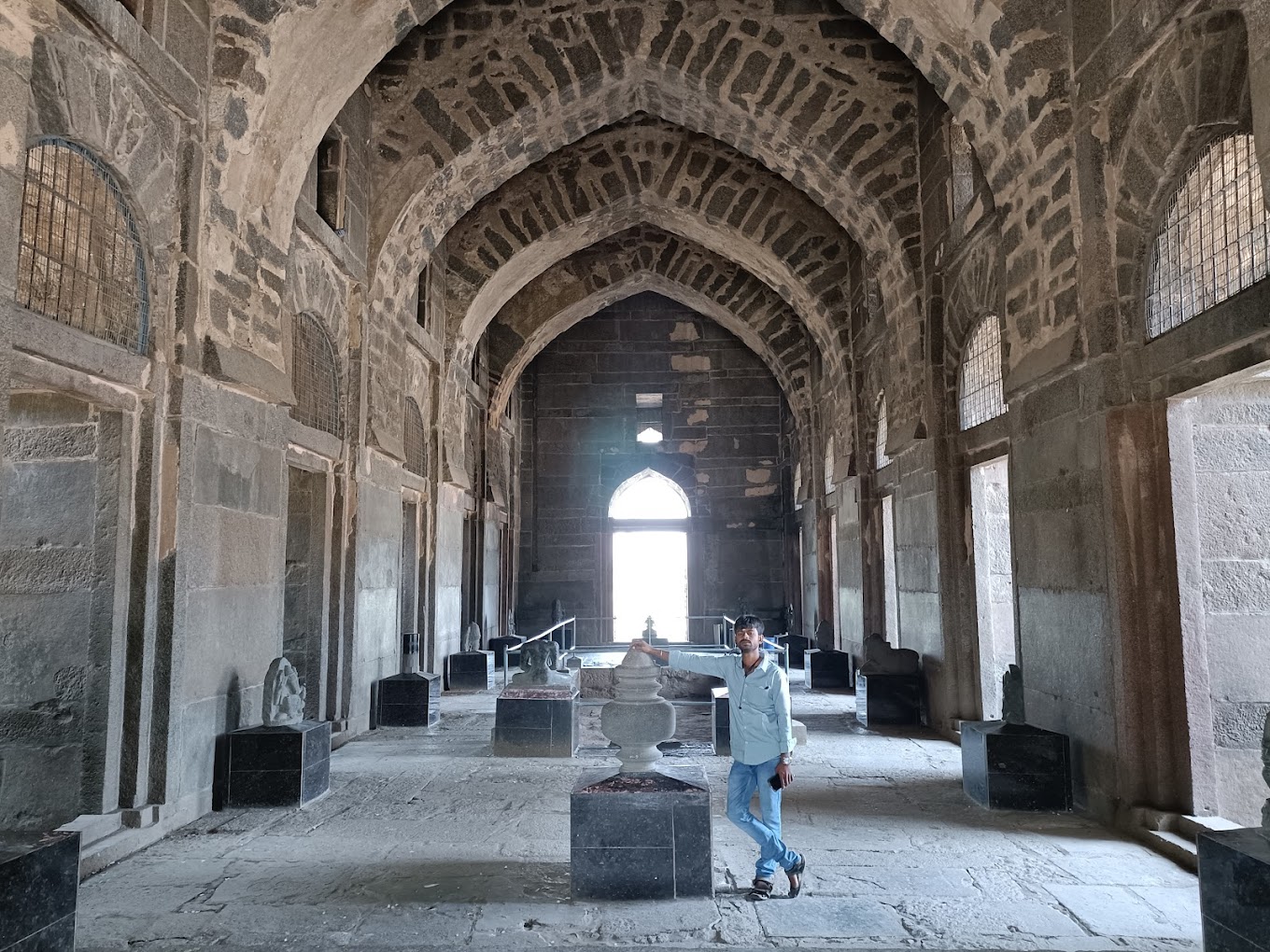
The origins of Khush Mahal are steeped in the dramatic transition of power in the 14th century when the Tughlaqs defeated the Kakatiya rulers. Following their conquest, the Tughlaqs constructed this impressive structure, believed to have been built over the remnants of the old Patiala Complex of the Kakatiya Dynasty. The exact purpose of Khush Mahal remains a mystery; however, many historians speculate that it was used as an auditorium by Shitab Khan, the Qutb Shahi governor of Warangal, in the 16th century. This dual-layered history ties the monument to two significant dynasties, offering insights into the cultural and political transformations of its time. Architecture of Khush Mahal Khush Mahal is a striking example of Tughlaq architecture, characterized by its robust and minimalist design. The building is entirely constructed out of granite, showcasing the Tughlaqs' preference for durable materials and simplistic elegance. The sloping walls, a signature feature of Tughlaq architecture, add a unique charm to the structure, while its grand entrance commands attention with its imposing presence. The Mahal consists of a single spacious chamber with a small storage room on either side, accessible through an arch on the north wall. Inside, visitors are greeted by a serene yet hauntingly empty interior, with the exception of scattered idols and fragments from nearby Jain temples and the Svayambhu enclosure. These remnants hint at the site?s layered historical and cultural significance. Adding to its allure, Khush Mahal offers visitors a staircase leading to the top of the structure. From this vantage point, one can enjoy breathtaking views of the nearby Warangal Fort and the surrounding landscape, further emphasizing its strategic and aesthetic value during its time of use. Neglect and Preservation Despite its architectural and historical importance, Khush Mahal suffers from neglect. Little has been done to preserve this heritage site, and it remains largely unprotected, with signs of wear and tear over the centuries. The lack of attention to its maintenance is evident in the scattered relics and broken fragments, which deserve better care and preservation to honor the monument's legacy. In conclusion, Khush Mahal is not merely a relic of the past but a narrative etched in stone, representing the dynamic history of Warangal. Its unique architecture and historical significance make it a site worth exploring for anyone interested in India?s rich cultural heritage. A visit to Khush Mahal is a journey through time, offering a glimpse into the era of the Tughlaqs and the enduring spirit of Warangal.
Year of Built: 14th Century
Address: Warangal Fort, Kila Warangal, Mathwada, Warangal, Telangana
Country: India
State: Telangana
District: Warangal
Pincode: 506002
Longitude: 79.6131
Latitude: 17.9562