
Indo Islamic Heritage


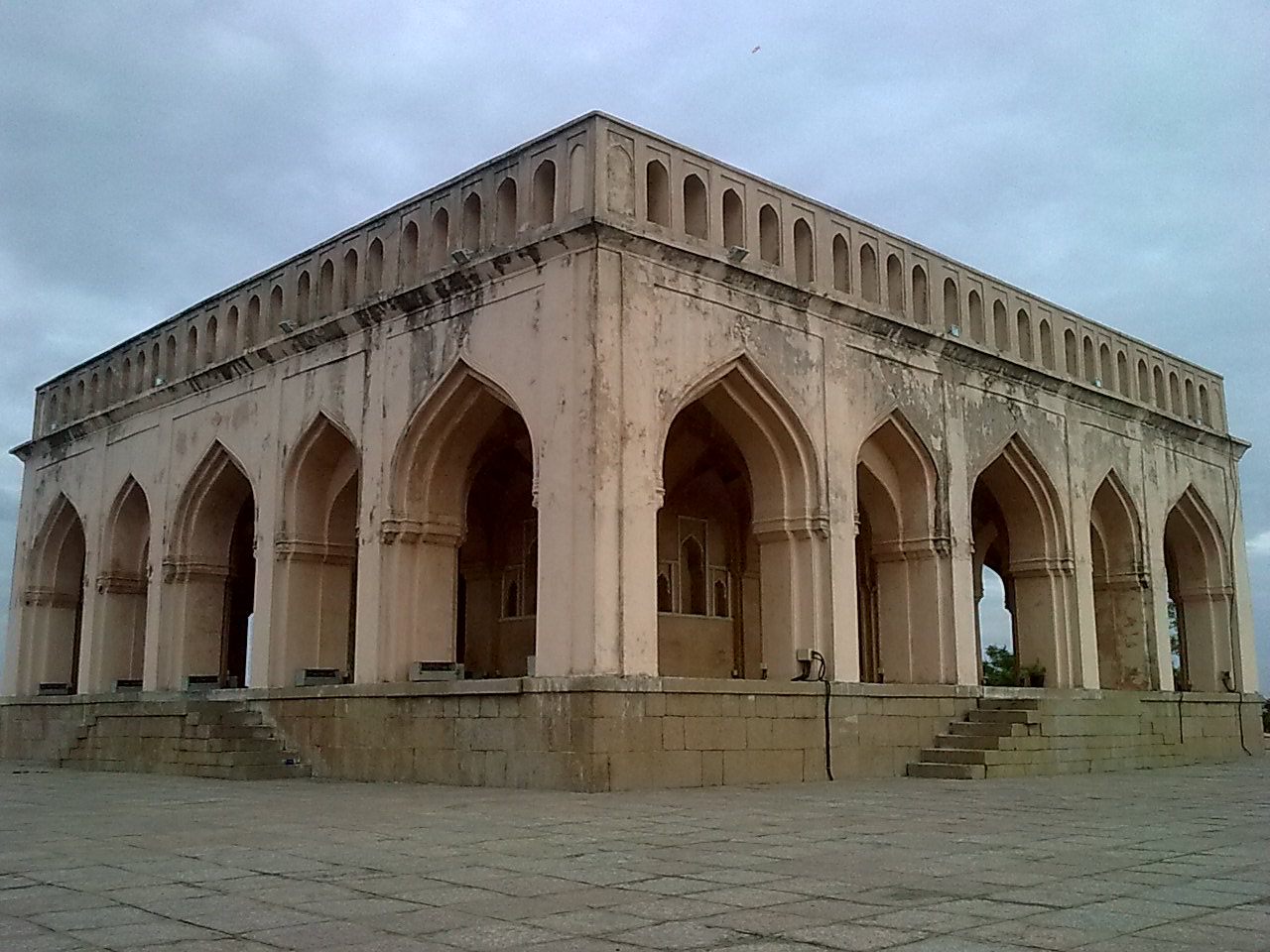
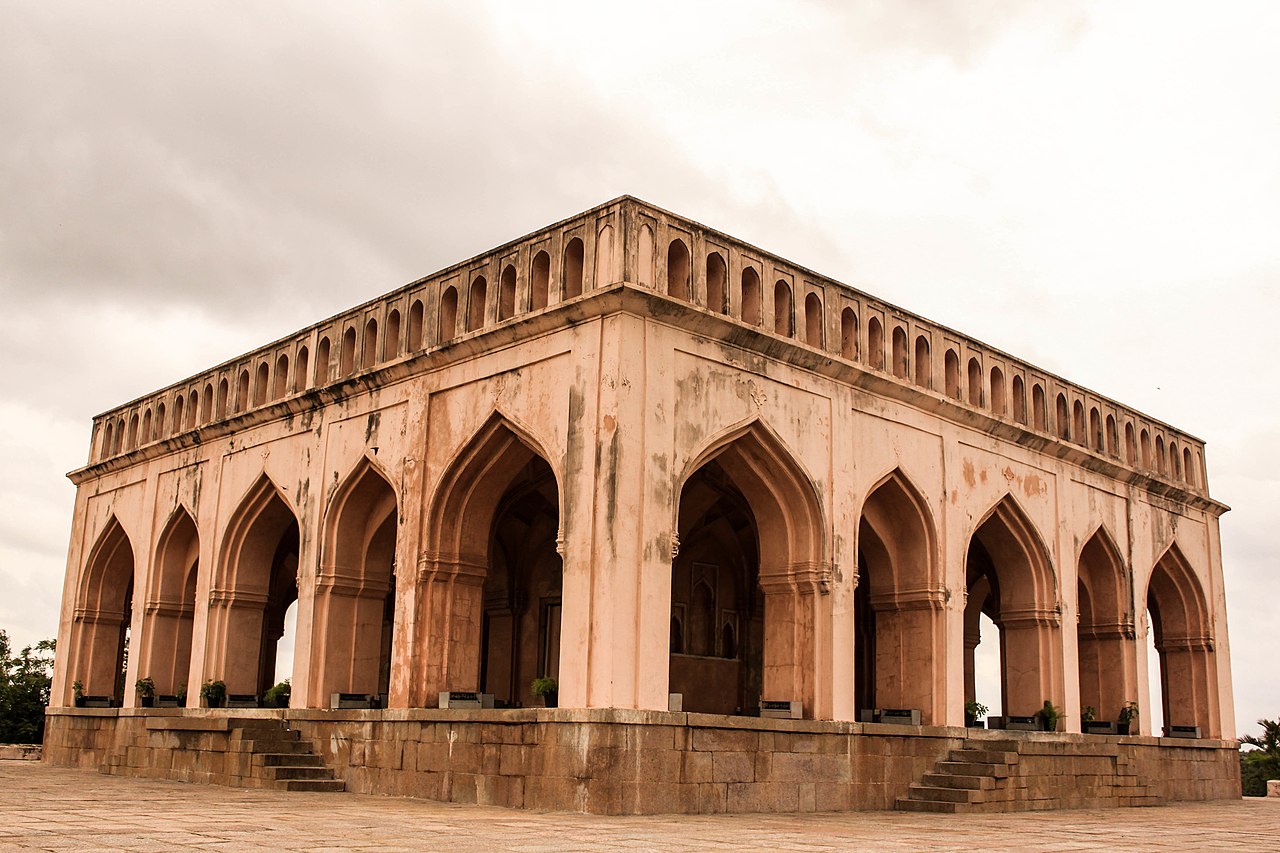
Taramati Baradari is indeed a notable historical structure located in Ibrahim Bagh, built during the reign of Ibrahim Quli Qutub Shah, the fourth Sultan of the Golconda Sultanate. This Persian-style garden complex includes the sarai (rest house) known for its unique architectural features, which reflect the grandeur of the Qutub Shahi dynasty. The Taramati Baradari is especially famous for its remarkable acoustics, which were likely designed for entertainment and communication purposes. The structure is a part of a larger royal complex and is named after Taramati, a courtesan and singer in the court of the Sultan. It is believed that the building was used for royal gatherings and as a center for cultural activities. Today, Taramati Baradari is an important landmark in Hyderabad, known not only for its architectural beauty but also for its historical significance.
The Baradari, an iconic structure, was constructed on the banks of the Musi River in what is now a part of Hyderabad, India. The tourism department of the region traces the name of the Baradari to the reign of Abdullah Qutb Shah, the seventh Sultan of Golconda, who reportedly named it in honor of his favorite courtesan, Taramati, a skilled Nautch dancer. The Sultan's admiration for Taramati led to the place being immortalized in local folklore and history. Romantic tales surrounding the Baradari have been promoted by the tourism department, with many of these fables linking the Sultan?s reign to Taramati?s artistry and the love between them. One well-known fable tells of how Sultan Abdullah Qutb Shah would sit at the Golconda Fort, which was located two kilometers away, and listen to the mesmerizing voice of Taramati, who would sing at the Serai. It was believed that the wind carried her voice across the distance, allowing the Sultan to hear her melodies from his distant perch. However, this romantic tale lacks any historical documentation or verification. Another popular fable associated with the Baradari involves Taramati?s sister, Premamati. The two women were said to have been stunning dancers who performed an intricate dance on ropes suspended between the pavilion where they performed and the balcony of the Sultan?s royal residence. This captivating performance was a tribute to the Sultan, Abdulla Qutb Shah, who is said to have been a patron of their art. In the northern part of the Golconda Fort, approximately half a mile away, lies the royal tombs of the Qutb Shahi dynasty. This cluster of ornate tombs, set amidst what were once lush rose gardens, marks the resting place of the Qutb Shahi kings and queens. Among them, it is said that Taramati and Premamati were buried as a special tribute by the Sultan, honoring their contribution to the cultural life of the court. Their graves were placed alongside the royal tombs, solidifying their importance in the Sultan?s life and the legacy of the Golconda dynasty. These stories and tombs have contributed to the mystique surrounding the Baradari, making it a landmark filled with both historical significance and romantic allure.
Year of Built: 19th Century
Address: Ramdev Guda, Ibrahim Bagh, Hyderabad, Telangana
Country: India
State: Telangana
District: Hyderabad
Pincode: 500031
Longitude: 78.3783
Latitude: 17.3761