
Indo Islamic Heritage


Ramadasu, the Tahsildar (revenue collector) of Palvoncha Paragana under Sultan Abul Hassan Tana Shah's rule, diligently carried out his official responsibilities while also serving Lord Rama by chanting his name and providing food to the poor. During a visit to Bhadrachalam for a Jatara (fair), he was troubled by the temple's deteriorating condition. Despite the temple's importance to Lord Rama's devotees, it had been neglected. Moved by this, Ramadasu began collecting funds for its renovation. After exhausting his own resources, the villagers urged him to use the revenue collections for the restoration, promising to repay the amount after the harvest. Ramadasu used six hundred thousand rupees from land revenues to complete the temple?s reconstruction, doing so without the permission of Sultan Abul Hassan Qutb Shah.
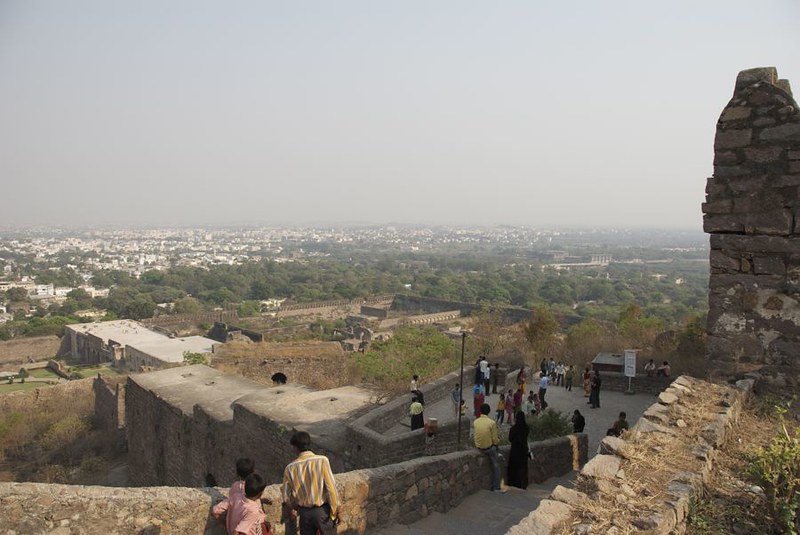
When Sultan Abul Hassan Tana Shah discovered that Ramadasu had misused public revenues to rebuild the Bhadrachalam temple, he was dismissed from his position and imprisoned in the Golconda Fort. The Sultan decreed that Ramadasu would remain incarcerated until the full amount of taxes owed to the exchequer was repaid. Enduring years of hardship and despair in prison, Ramadasu poured his anguish into heartfelt pleas to Lord Rama through emotional compositions, now cherished as the stanzas of Dasaradhi Sathakam and the devotional songs of Bhakta Ramadasa Keertanas. These works conveyed his unwavering faith and hope for divine intervention. After 11?12 years of imprisonment, it is said that Lord Rama, moved by the plight of his devotee, decided the time had come to end Ramadasu's suffering. According to the legend, Rama and his brother Lakshmana appeared in the Sultan's chambers in the dead of night, disguised as two youthful warriors. Carrying a sum of gold coins bearing the divine seal of Lord Rama, they presented the amount to the Sultan as repayment for the funds used in the temple's reconstruction. The Sultan was astonished by the sudden appearance of these enigmatic and majestic young men in his private quarters. Despite his bewilderment, he complied with their demand to issue a written receipt confirming the repayment. The receipt was immediately delivered to the jailer, leading to Ramadasu?s release that very night. The next day, as the events unfolded, both Ramadasu and the Sultan came to understand the divine nature of what had transpired. However, while the Sultan was awestruck and humbled by the miracle, Ramadasu was heartbroken. Despite years of devotion and suffering, he lamented that he had not been granted the vision of Lord Rama when the deity had come in person to rescue him. In response to his grief, Lord Rama appeared to him in a dream. The Lord lovingly explained the reasons behind his actions, revealing that Ramadasu?s suffering was the result of a past-life transgression and had been necessary to achieve the purification of his soul. Rama also promised Ramadasu salvation at the end of his natural life, offering him the ultimate spiritual reward. Profoundly affected by this miraculous event, Sultan Tana Shah not only returned the entire sum of money to the Bhadrachalam temple but also decreed that offerings would be sent to the temple annually on the occasion of Sri Rama Navami. This tradition of royal patronage became an enduring custom during the reign of the Hyderabad State and is upheld even today in modern Andhra Pradesh, serving as a testament to the divine intervention that freed Ramadasu and solidified the temple?s spiritual and historical significance.
Year of Built: .....
Address: Golkonda, Makki Darwaza, Golconda Fort, Hyderabad, Telangana
Country: India
State: Telangana
District: Hyderabad
Pincode: 500008
Longitude: 78.401111
Latitude: 17.383056