
Indo Islamic Heritage


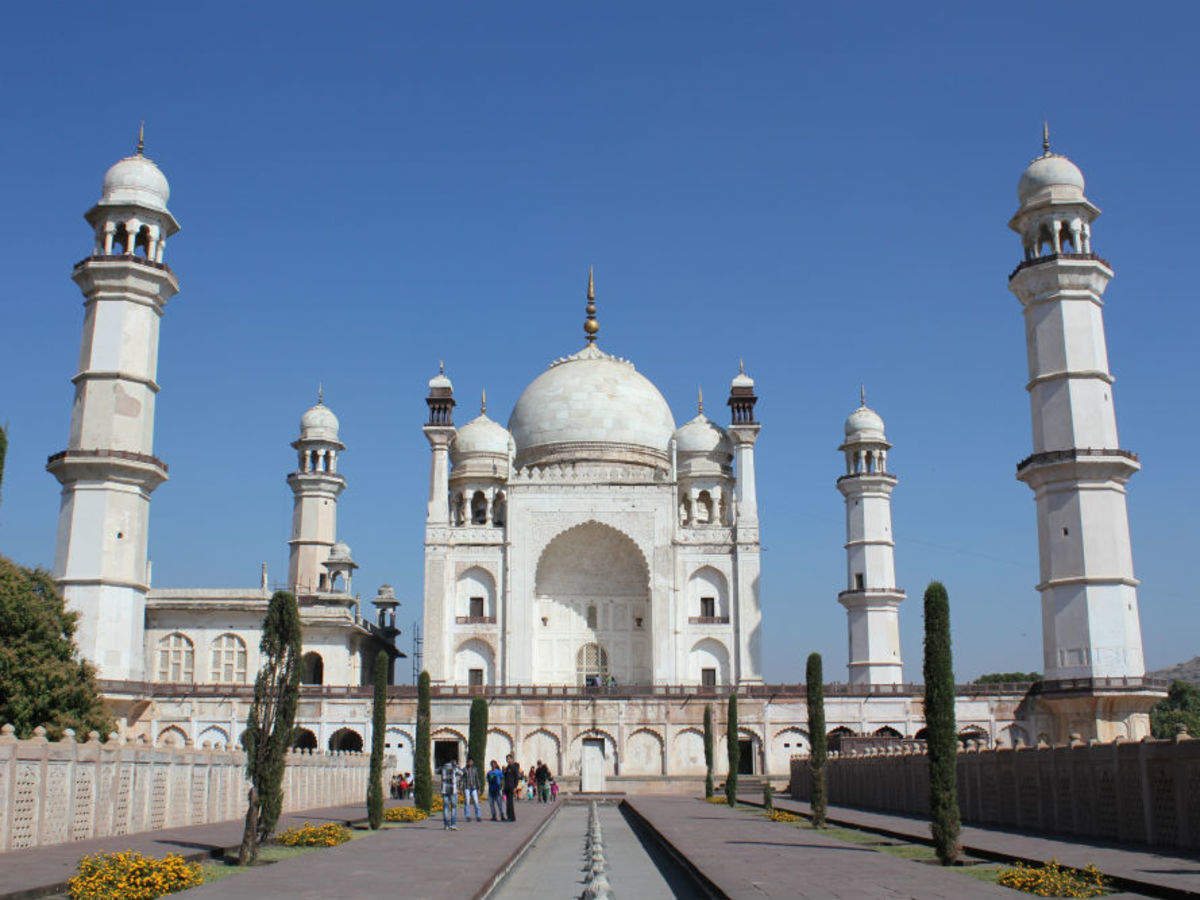
Bibi Ka Maqbara, located in Aurangabad, Maharashtra, is a remarkable monument built in 1660 by Prince Azam Shah in memory of his mother, Rabia Daurani. Designed to emulate the grandeur of the Taj Mahal, this mausoleum features an exquisite blend of Mughal architectural elements, including a char bagh garden, intricate stucco decorations, and a marble-clad dome. The structure is surrounded by a high crenelated enclosure wall adorned with arched recesses and bastions. Bibi Ka Maqbara is often referred to as the "Taj of the Deccan," symbolizing the Mughal era's architectural brilliance and devotion.
Bibi Ka Maqbara is a stunning 17th-century mausoleum located in Aurangabad, Maharashtra. It was constructed in 1660 by Prince Azam Shah, the son of Mughal Emperor Aurangzeb, as a tribute to his mother, Rabia Daurani. Often referred to as the "Taj of the Deccan," this monument was designed to rival the grandeur of the Taj Mahal, albeit on a smaller scale. The mausoleum is built within a sprawling char bagh (four-part) formal garden, emphasizing symmetry and balance, symbolic of the Islamic concept of paradise. The garden is divided by water channels adorned with fountains, enhancing the aesthetic appeal of the site. The mausoleum itself is constructed on a high square platform accessible via steps from three sides. Four towering minarets flank the platform's corners, adding to its majestic appearance. The structure's exterior is primarily clad in marble up to the dado level, sourced from mines near Jaipur. The upper sections are constructed from basaltic trap stone, coated with fine plaster and adorned with intricate stucco decorations. The interior of the mausoleum houses the mortal remains of Rabia Daurani, placed below ground level within an octagonal marble chamber. This chamber is encircled by a beautifully carved jali (pierced marble screen) with delicate floral motifs. The roof of the chamber corresponds to the ground level and is pierced with an octagonal opening, allowing visitors to view the tomb below. The dome of the mausoleum, crowned with trellis work and floral panels, is another architectural highlight. It is flanked by smaller hexagonal structures adorned with minarets, further enhancing the monument's symmetry. The entrance to Bibi Ka Maqbara is marked by a grand gate on the southern side, featuring foliage designs engraved on a brass plate affixed to wood. Beyond the gate lies a small tank and a screened pathway leading to the main structure. The pathway is lined with fountains, adding a serene atmosphere to the site. A mosque, a later addition by the Nizam of Hyderabad, is located to the west of the main mausoleum. This addition integrates seamlessly with the original design, maintaining the architectural harmony of the complex. Bibi Ka Maqbara is a testament to the Mughal era's architectural and artistic brilliance. Its meticulous craftsmanship, serene surroundings, and historical significance make it a prominent landmark in Aurangabad and a must-visit destination for history and architecture enthusiasts.
Year of Built: 1660
Address: Begumpura, Aurangabad, Maharashtra 431004, India
Country: India
State: Maharashtra
District: Aurangabad
Pincode: 431004
Longitude: 75.3203
Latitude: 19.9015