
Indo Islamic Heritage


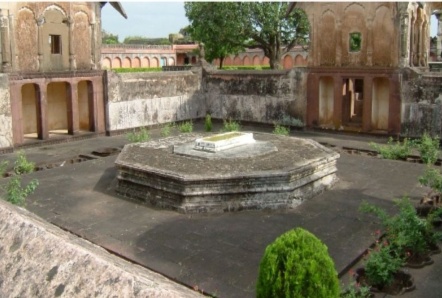

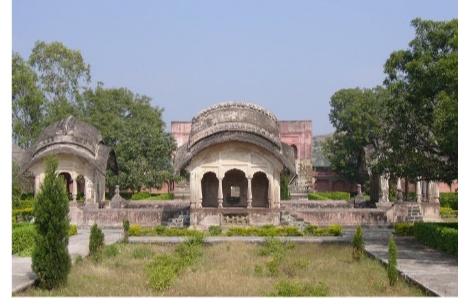
Bani Begum Garden, located approximately 24 km from Aurangabad in Maharashtra, India, is a serene Mughal-style garden named after Bani Begum, the wife of Emperor Aurangzeb's son, Azam Shah. The garden features lush greenery, fountains, fluted pillars, and massive domes, epitomizing Mughal architectural elegance. At its center lies the tomb of Bani Begum, surrounded by beautifully landscaped lawns and water channels. The tranquil ambiance and historical significance make it a popular destination for tourists and history enthusiasts exploring the rich heritage of the region.
Bani Begum Garden stands as a testament to the grandeur of Mughal architecture and landscaping. Situated near Khuldabad, about 24 kilometers from Aurangabad in Maharashtra, this historical garden is a significant attraction for those interested in India's rich cultural past. The garden is named after Bani Begum, the wife of Prince Azam Shah, who was the son of the Mughal Emperor Aurangzeb. Her tomb, located at the center of the garden, is a focal point of the site. The garden's layout reflects the quintessential Mughal style, characterized by symmetry, intricate designs, and the incorporation of water features. It is divided into four sections by a central water channel, adhering to the traditional Charbagh (fourfold) layout commonly seen in Mughal gardens. Smaller water channels further subdivide these sections, enhancing the geometric harmony of the space. The presence of fountains, fluted pillars, and massive domes adds to the garden's architectural splendor. At the heart of the garden lies the tomb of Bani Begum, set on an octagonal plinth. The tomb is surrounded by four pavilions, known as baradaris, each featuring scalloped arches and "bangla" roofs?a design element inspired by Bengal's traditional thatched huts. These structures not only add to the aesthetic appeal but also provide shaded areas for visitors to rest and contemplate. The garden's lush greenery, combined with its historical monuments, creates a tranquil environment that offers a respite from the hustle and bustle of modern life. The well-maintained lawns, along with the interplay of light and shadow through the arches and pavilions, make it a picturesque location for photography and leisurely walks. Bani Begum Garden is not just a place of beauty but also of historical significance. It provides insight into the Mughal era's architectural and cultural practices, particularly in garden design and royal memorials. The garden's design elements, such as the baradaris with twelve doors (three on each side), reflect the Mughal emphasis on symmetry and openness. The use of water channels and fountains highlights the importance of water in Mughal garden aesthetics, symbolizing life and purity. For visitors planning a trip, the garden is accessible via road from Aurangabad, with various transportation options available. The best time to visit is during the cooler months, from October to March, when the weather is pleasant, and the flora is in full bloom. There are no entry fees, making it an affordable destination for all. In conclusion, Bani Begum Garden offers a blend of natural beauty and historical architecture, making it a must-visit for those exploring the Aurangabad region. Its serene environment, coupled with its rich Mughal heritage, provides a unique experience that transports visitors back to an era of grandeur and elegance.
Year of Built: 17th to early 18th century
Address: Bani Begum Mogul Garden Rd, Khuldabad, Maharashtra, India
Country: India
State: Maharashtra
District: Aurangabad
Pincode: 431101
Longitude: 75.1837
Latitude: 20.0078