
Indo Islamic Heritage


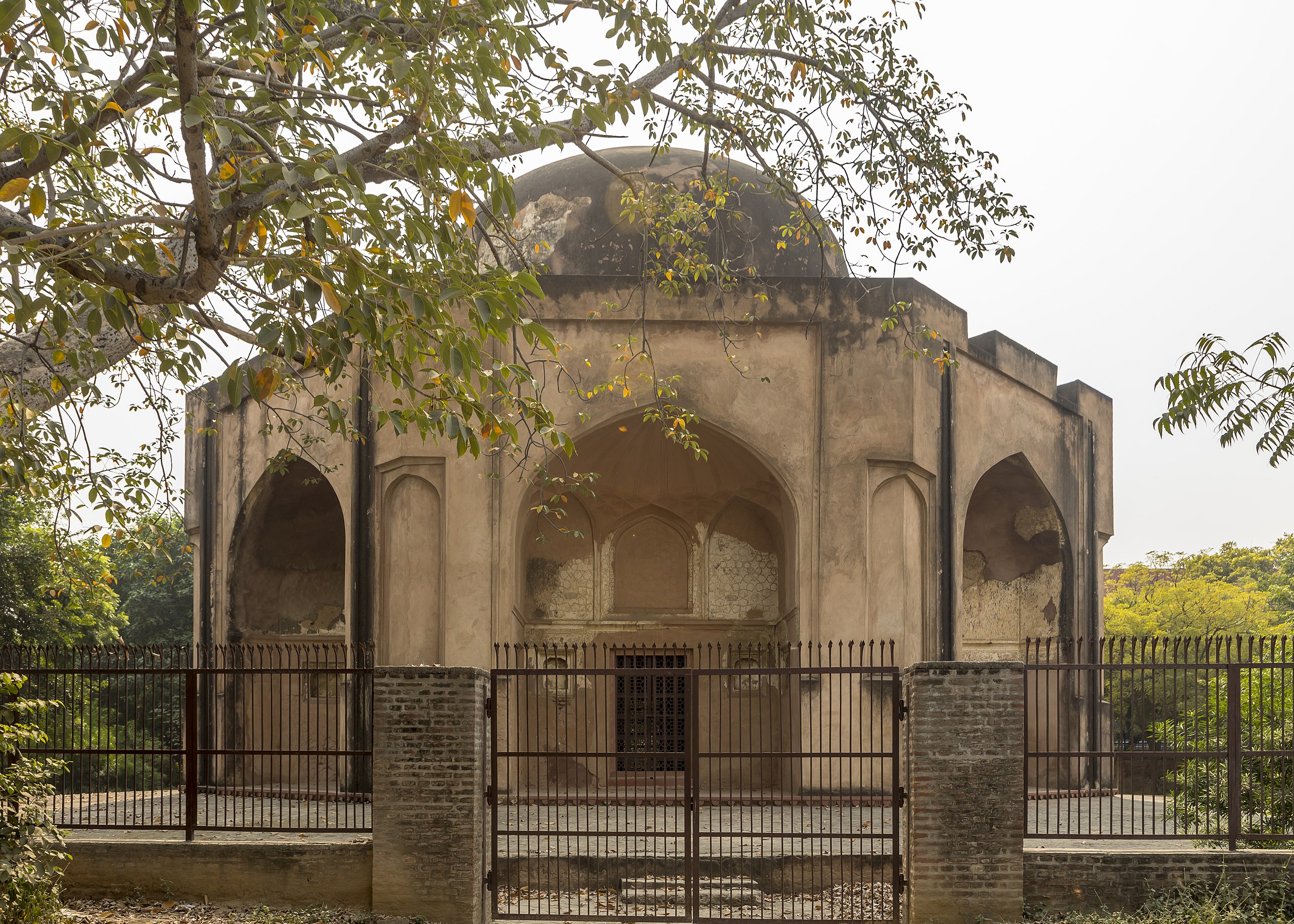
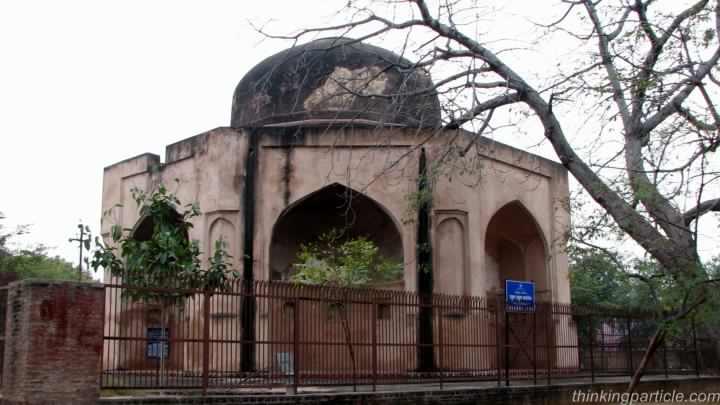
Jhun Jhun Katora, Agra: A Hidden Gem of Mughal-Era Spirituality Amid the bustling cityscape of Agra, nestled within the compound of the Civil Court, lies Jhun Jhun Katora, a tomb that whispers tales of devotion, knowledge, and artistry. Nearest Bus Stop: Civil Lines Bus Stop (approx. 1 km away) Nearest Metro Station: Agra Metro (Agra Cantt. Station, approx. 2 km away) Nearest Railway Station: Agra Cantonment (AGC) Railway Station (approx. 2 km away) Nearest Airport: Pandit Deen Dayal Upadhyay Airport, Agra (approx. 10 km away)
Amid the bustling cityscape of Agra, nestled within the compound of the Civil Court, lies Jhun Jhun Katora, a tomb that whispers tales of devotion, knowledge, and artistry. This 16th-century mausoleum is the final resting place of Maulana Hasan, a revered saint and scholar of Persian origin who graced Agra during the reigns of Sikandar Lodi and Salim Shah Sur. His life and the tomb reflect a unique blend of spiritual and artistic heritage. Historical Significance Maulana Hasan, a native of Persia, migrated to Agra during Sikandar Lodi?s reign, drawn by the vibrant cultural and theological exchanges of the time. A disciple of Mir Rafi-ud-Din, he became a master of Islamic theology and a celebrated calligrapher. His contributions to the spiritual and artistic fabric of Agra earned him immense respect, and his legacy is preserved in the form of this tomb. Built in A.D. 1546 during the rule of Salim Shah Sur, the tomb stands as a tribute to his profound influence. Architectural Features Popularly known as Jhun Jhun Katora, the tomb is an octagonal structure, showcasing the simplicity and elegance of medieval architecture. Constructed from brick and lime, the structure is coated with a thick layer of plaster, lending it durability and a distinctive appearance. The design of the tomb is a testament to the evolving architectural styles of the era, combining functionality with aesthetic appeal. Its octagonal plan symbolizes balance and harmony, while the chronogram inscription, dating the death of Maulana Hasan to A.H. 956 (A.D. 1546), serves as a historical marker. Though modest in scale, the tomb's quiet dignity makes it an enduring piece of Agra's rich heritage. The Jhun Jhun Katora may not boast the grandeur of Agra?s more iconic monuments, but it holds an understated charm that is uniquely its own. This modest tomb tells the story of a scholar, saint, and artist whose legacy continues to resonate centuries later. A visit here is a journey into Agra?s lesser-known yet deeply enriching past, making it an essential stop for those seeking to uncover the city?s hidden treasures.
Year of Built: 1546 A.D
Address: Civil Court Compound, Agra, Uttar Pradesh, India, 282002
Country: India
State: Uttar Pradesh
District: Agra
Pincode: 282002
Longitude: 78.0111? E
Latitude: 27.1834? N