
Indo Islamic Heritage


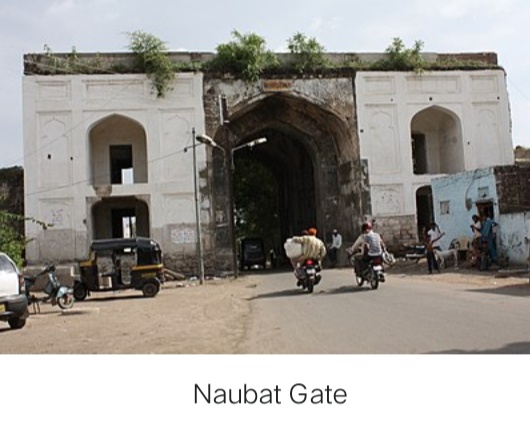
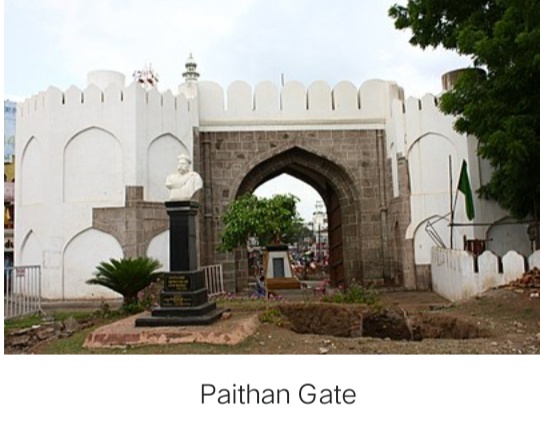
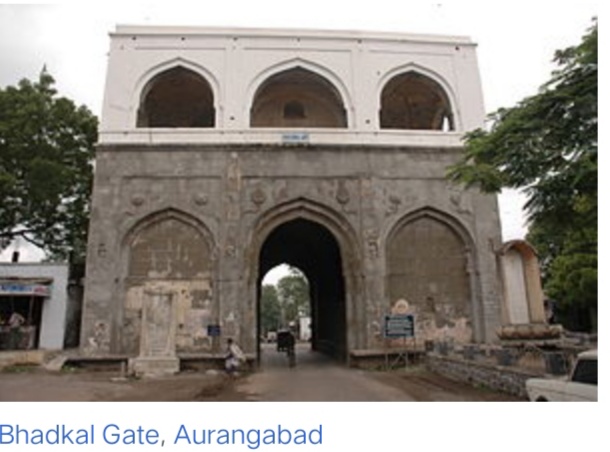
The Gates of Aurangabad, also known as the "Charminar Gates," are a prominent feature of the city of Aurangabad, Maharashtra. These historical gates, dating back to the Mughal era, were built by Aurangzeb in the 17th century to serve as part of the city's fortifications. They are examples of the architectural style prevalent during the Mughal period, with intricate designs and towering arches. The gates have stood the test of time, becoming symbolic landmarks and attracting both tourists and locals who admire their grandeur and historical significance.
The Gates of Aurangabad are a significant historical landmark located in the city of Aurangabad, Maharashtra, and they serve as a testament to the architectural and cultural history of the region. Built during the Mughal era in the 17th century, these gates were part of the city's fortifications, marking the entry points to the city. These gates were commissioned by the Mughal Emperor Aurangzeb, who named the city after himself. Aurangabad's gates are representative of the grandeur and strength of the Mughal empire during its zenith. These gates were strategically placed to protect the city and its inhabitants from invaders, while also serving as a symbol of power and wealth. They are designed with a blend of traditional Mughal and local architecture, featuring towering arches, domes, and intricate carvings. The gates are an excellent example of the fusion of Persian, Central Asian, and Indian architectural elements, which became characteristic of Mughal buildings. Among the most famous of the gates are the "Delhi Gate," "Kolkata Gate," "Jalna Gate," and "Paithan Gate." Each of these gates stands tall and imposing, with intricately carved walls and arches. They were built to withstand attacks, and many still maintain their original structure despite years of exposure to weather and time. The Delhi Gate is the most prominent among the gates of Aurangabad, and it is known for its impressive size and design. The gate has two massive towers that rise above the entrance, flanking the archway. These towers were originally intended for defensive purposes, housing troops and weapons to protect the city. The gates are built from locally sourced stone and are adorned with Islamic calligraphy and motifs, adding to their aesthetic appeal. The gates also served as entry points for traders and travelers, further emphasizing the city's historical significance as a trading hub during the Mughal period. The design of the gates is not just functional but also reflects the artistic and cultural influences of the time. The intricate carvings and embellishments on the gates, including floral patterns and geometric shapes, showcase the craftsmanship and attention to detail that was characteristic of Mughal architecture. Today, the Gates of Aurangabad are important cultural and historical landmarks. They are a source of pride for the locals, who continue to preserve the gates as symbols of the city's rich history. Visitors from around the world come to admire the architectural marvels of these gates, which have stood as silent witnesses to the changing times. In addition to their architectural value, the gates are integral to the city's identity. They serve as a reminder of Aurangzeb's legacy and the lasting impact of Mughal rule in the Deccan region. The gates continue to attract historians, tourists, and architecture enthusiasts, who marvel at their magnificence and the story they tell of a bygone era.
Year of Built: 17th Century
Address: Aurangabad, Maharashtra, India
Country: India
State: Maharashtra
District: Aurangabad
Pincode: 431001
Longitude: 75.3433
Latitude: 19.8762