
Indo Islamic Heritage


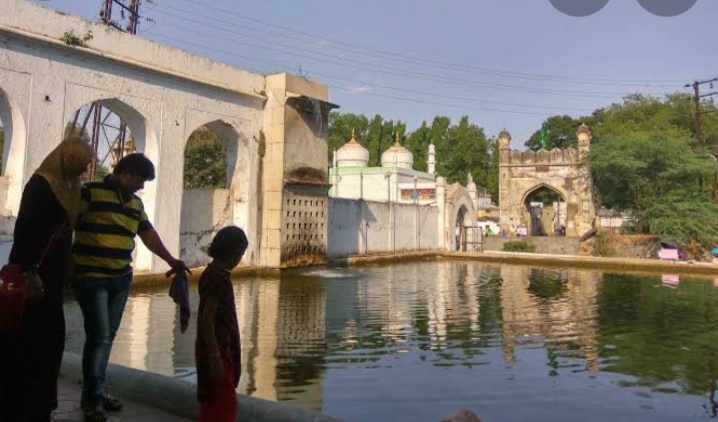
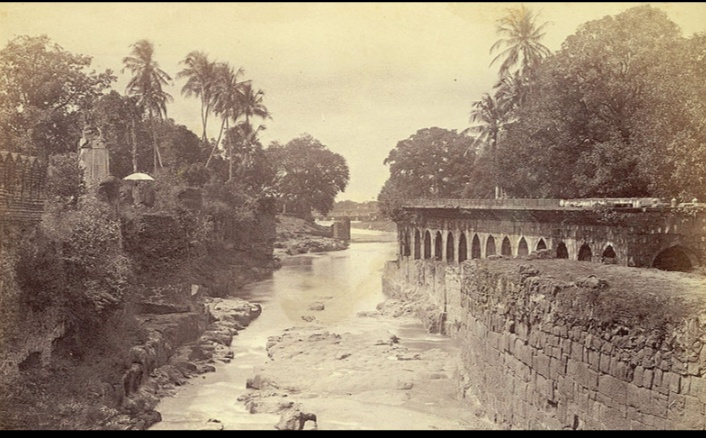
The Neher Water System, established in 1612 by Malik Ambar in Aurangabad, Maharashtra, is a remarkable example of medieval engineering. Designed to address water scarcity, this intricate network of aqueducts and canals provided a reliable water supply to the city and its suburbs. Later expanded by Emperor Aurangzeb, the system played a crucial role in supporting the region's growing population and military activities during the Mughal era. Today, remnants of the Neher Water System stand as a testament to historical ingenuity in sustainable urban planning.
The Neher Water System of Aurangabad is a pioneering feat of medieval engineering, conceived by Malik Ambar in 1612 to combat the region's chronic water shortages. Aurangabad, then known as Khadki, lacked natural reservoirs, prompting the need for an innovative solution. Malik Ambar's vision led to the construction of an extensive network of aqueducts and canals that tapped into subterranean water sources in the mountainous valleys north of the city. Despite initial skepticism and the challenging terrain, the project was completed in just fifteen months at half the estimated cost, demonstrating remarkable efficiency and resourcefulness. The primary aqueduct, named Khair-E-Jari, channeled water over considerable distances, ensuring a stable supply for approximately 700,000 residents. This infrastructure not only met the domestic needs of the populace but also supported the city's agricultural and industrial activities. The system's design included stone conduits and numerous distribution points, allowing water to flow through a network of pipes and fountains across Aurangabad. The Aurangabad Gazetteer of 1884 notes the abundance of water supplied by the Neher system, highlighting its significance in the city's development. Under Emperor Aurangzeb's rule, the Neher Water System underwent further expansion to accommodate the increasing demands of a burgeoning population and intensified military presence. Additional aqueducts were constructed by engineers like Shah Mehmood of Panchakki and Shah Ali Nahri, enhancing the system's capacity and reach. These expansions ensured that even during periods of drought, Aurangabad maintained a consistent water supply, underscoring the system's resilience and strategic importance. The Neher Water System also featured innovative elements such as the Thatte Neher, which drew water from the Harsul River, 12 kilometers from the city. This particular aqueduct utilized a ceramic pipeline buried three meters underground, protected by stone and brick masonry. Such advancements not only exemplify the technological prowess of the era but also reflect a deep understanding of sustainable water management practices. In recognition of its historical and engineering significance, the Ministry of Jal Shakti has included Neher-e-Ambari and Neher-e-Panchakki in the list of 75 most significant Water Heritage Structures in India. Today, while some parts of the Neher Water System have succumbed to the ravages of time, many sections remain intact, offering valuable insights into historical water management techniques. The system stands as a testament to the ingenuity and foresight of its creators, serving as an enduring symbol of Aurangabad's rich cultural and engineering heritage.
Year of Built: 1612
Address: Aurangabad, Maharashtra, India
Country: India
State: Maharashtra
District: Aurangabad
Pincode: 431001
Longitude: 75.3433
Latitude: 19.8762