
Indo Islamic Heritage


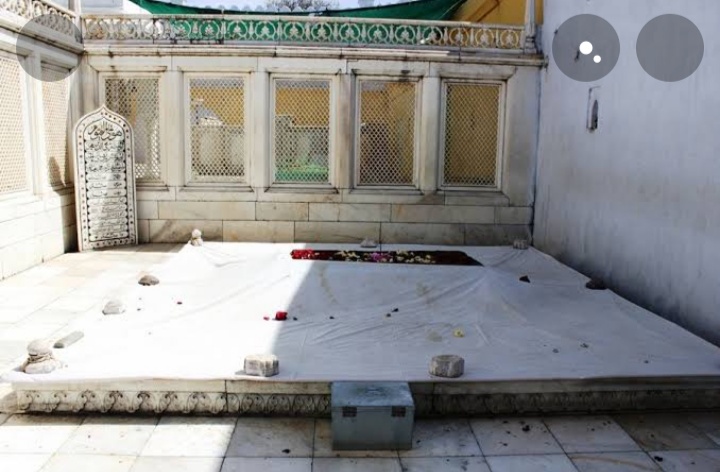
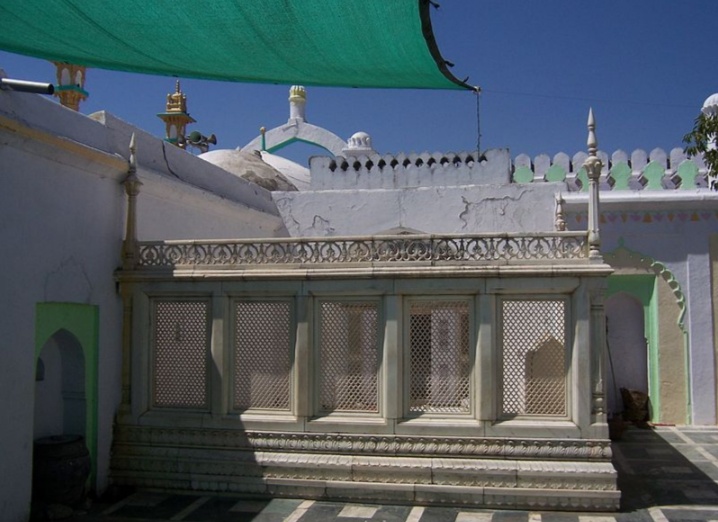
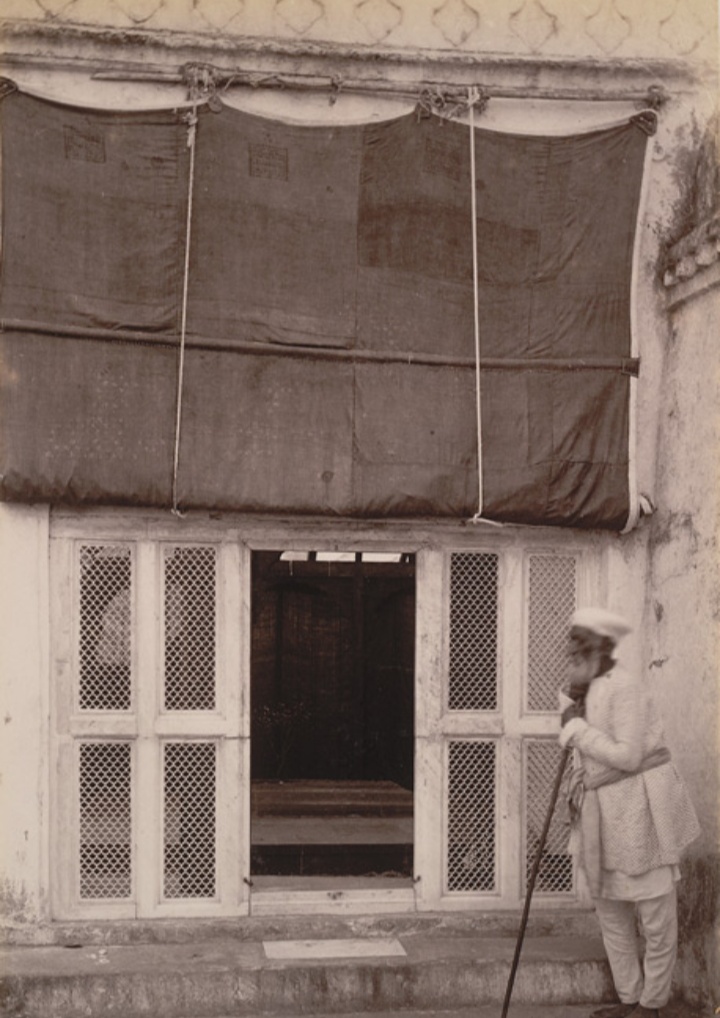
The Tomb of Aurangzeb, located in Khuldabad, Maharashtra, reflects the simplicity desired by the last Mughal emperor. In contrast to the grand Mughal tombs like the Taj Mahal, Aurangzeb chose an unmarked grave near the dargah of his spiritual teacher Sheikh Zainuddin. Constructed in 1707, the tomb is covered with soil where herbs grow naturally. Later additions by Lord Curzon include a marble platform and a pierced marble screen. The complex also houses the tombs of other significant figures, such as the first Nizam of Hyderabad and Aurangzeb?s family members, making it a site of immense historical importance.
The Tomb of Aurangzeb, the last significant Mughal emperor, stands as a testament to his austere and simple lifestyle. Located in the city of Khuldabad, Maharashtra, this tomb is a stark contrast to the grandeur associated with other Mughal architectural masterpieces. Aurangzeb (1618?1707), who ruled over most of the Indian subcontinent for nearly half a century, chose to be buried in an unmarked grave, a decision deeply rooted in his spiritual beliefs and humility. The tomb is part of the dargah complex of Sheikh Zainuddin, a Sufi saint and Aurangzeb?s spiritual teacher. Situated in the southeastern corner of the dargah, the tomb is marked by its simplicity. It consists of a red stone platform, less than three yards in length, with a cavity in the center filled with soil where herbs grow naturally. This unique feature was inspired by the tomb of Aurangzeb?s sister, Jahanara Begum. Aurangzeb?s burial arrangements were made according to his will. He reportedly paid for his burial place by stitching caps during his later years, with the entire cost amounting to a mere 14 rupees and 12 annas. This modesty earned him the posthumous title "Khuld-makan" or "he whose abode is in eternity." The tomb underwent several modifications over the years. Lord Curzon added a marble covering and a pierced marble screen surrounding the grave. The screen, composed of 18 intricately carved panels standing six feet high, is surmounted by small marble minarets on its sides and corners. A gateway and domed porch were later added in 1760, enhancing the overall structure. The dargah complex also houses the tombs of other notable figures, including the first Nizam of Hyderabad, Asaf Jah I, his son Nasir Jung, Aurangzeb?s son Muhammad Azam Shah, and Azam Shah?s wife. Nearby, there is also a grave believed to belong to the daughter of a Muhammedan saint. The combination of historical and spiritual significance makes the site a popular destination for visitors and pilgrims alike. Aurangzeb?s tomb is an embodiment of his beliefs and a reflection of his life?s principles. Despite his vast empire and immense power, he chose to rest in a modest grave under the "vault of the sky," symbolizing his humility and devotion. The site continues to attract history enthusiasts and scholars interested in Mughal history and the legacy of its last great emperor.
Year of Built: 4 March 1707
Address: Hamal Wadi, Old City, Khuldabad, Maharashtra 431101, India
Country: India
State: Maharashtra
District: Aurangabad
Pincode: 431101
Longitude: 75.1887
Latitude: 20.0046