
Indo Islamic Heritage


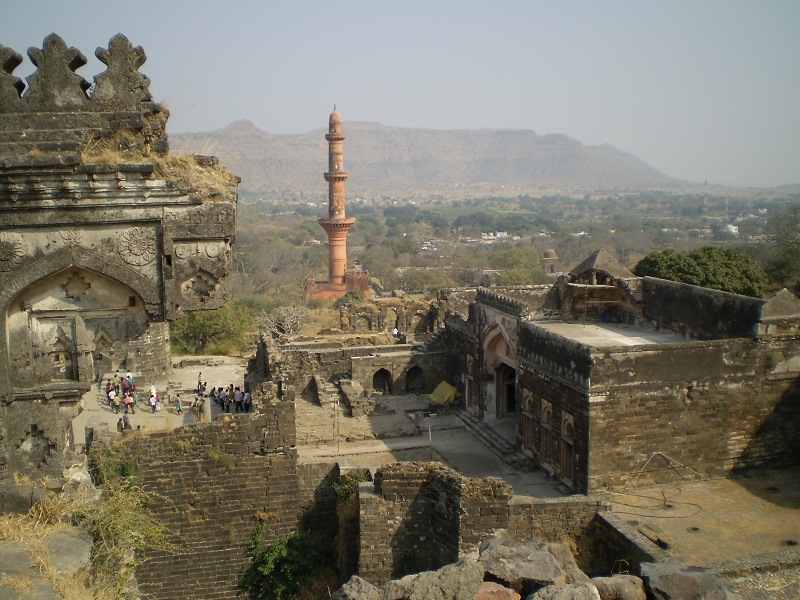
Daulatabad Fort, also known as Devagiri, is a 12th-century fort located near Aurangabad in Maharashtra, India. Renowned for its formidable defenses and architectural brilliance, it served as the capital of the Tughlaq dynasty under Sultan Muhammad bin Tughlaq. Enclosed by rugged terrain and towering walls, the fort boasts a series of intricate structures, including a moat, secret passages, and the Chand Minar. With its strategic location and ingenious design, Daulatabad Fort remains a testament to medieval Indian engineering and a significant cultural heritage site that continues to draw history enthusiasts and tourists from across the globe.
Daulatabad Fort, also known as Devagiri, is one of the most formidable and architecturally ingenious forts in India. Located approximately 16 kilometers from Aurangabad in Maharashtra, this hilltop fortress has a storied history dating back to the 12th century. Initially known as Devagiri, it was founded by the Yadava dynasty and later became a prominent stronghold under various rulers, including the Khilji, Tughlaq, Bahmani, and Mughal dynasties. The fort?s most notable moment in history came when Sultan Muhammad bin Tughlaq of the Delhi Sultanate declared it his capital in 1327, renaming it Daulatabad, meaning "City of Prosperity." Tughlaq?s decision to shift his entire administration from Delhi to Daulatabad stands as one of history's most ambitious and controversial moves. Though the plan ultimately failed, it highlighted the fort?s strategic importance and unassailable defenses. Perched atop a 200-meter-high conical hill, Daulatabad Fort is surrounded by steep slopes and rugged terrain, making it nearly impregnable. Its defense mechanisms include a deep moat filled with water, accessible only by a narrow bridge, and a series of maze-like passages designed to confuse invaders. These secret tunnels and false doorways reflect the fort?s advanced engineering and military strategy. The Chand Minar, a towering victory monument built by Alauddin Bahmani in 1445, is one of the fort?s most iconic features. Standing at 30 meters tall, the minaret showcases Persian architectural influences and provides a panoramic view of the surrounding landscape. Other notable structures within the fort complex include the Bharat Mata Temple, the royal palace, and several ancient water tanks and granaries, showcasing the self-sufficiency of the fort?s design. Daulatabad Fort also boasts an intricate water supply system with channels that ensured a consistent flow of water to the inhabitants. This system, along with the fort?s storerooms and living quarters, made it a haven during prolonged sieges. Despite its formidable defenses, Daulatabad Fort fell to various invaders over the centuries, including the Bahmani Sultanate and the Mughals. Each ruler left their mark on the fort, adding to its rich architectural and cultural heritage. Today, it stands as a testament to the resilience and ingenuity of medieval Indian fortifications. The fort is a popular tourist destination and an important cultural landmark, drawing visitors from across the world. Its towering walls, hidden passages, and breathtaking views make it a must-visit site for history enthusiasts and adventurers alike. Managed by the Archaeological Survey of India, efforts are underway to preserve and restore this historic monument for future generations.
Year of Built: 12th Century
Address: Daulatabad Fort, Daulatabad, Aurangabad, Maharashtra, India
Country: India
State: Maharashtra
District: Aurangabad
Pincode: 431002
Longitude: 75.2112
Latitude: 19.9450