
Indo Islamic Heritage


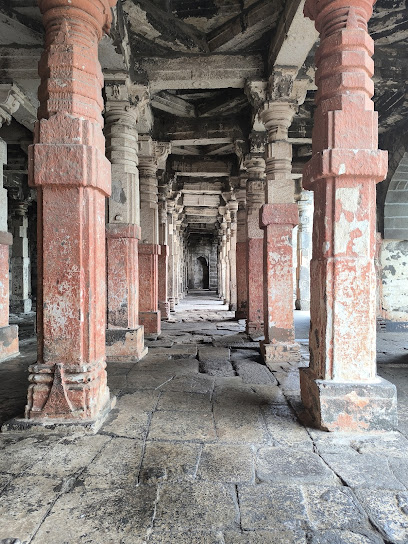
The Jama Masjid within Daulatabad Fort is a magnificent example of Indo-Islamic architecture. Built during the fort's prime under the Delhi Sultanate, this mosque is a blend of religious and military significance. With its 106 intricately carved pillars and spacious prayer hall, it represents the architectural grandeur of medieval India. Located inside the historic Daulatabad Fort, the mosque served as a place of worship for the rulers and soldiers stationed there. The Jama Masjid is not only a spiritual site but also an enduring symbol of the fort's rich history and the cultural amalgamation of the time.
The Jama Masjid within the historic Daulatabad Fort in Maharashtra stands as a significant relic of medieval Indo-Islamic architecture. Constructed during the fort's occupation by the Delhi Sultanate in the 14th century, the mosque was built to serve as a central place of worship for the Muslim rulers, soldiers, and inhabitants of the fort. Its location within the fortified complex underscores the combination of spiritual and strategic priorities of the era. One of the most striking features of the Jama Masjid is its impressive architectural design. The mosque is supported by 106 intricately carved basalt pillars that reflect a unique blend of Hindu and Islamic architectural styles. These pillars, salvaged from earlier Hindu and Jain temples, are adorned with detailed carvings, showcasing the fine craftsmanship of the period. The fusion of styles highlights the cultural and artistic exchanges that characterized the medieval Deccan region. The mosque features an expansive rectangular prayer hall that could accommodate a significant number of worshippers at a time. Its open courtyard adds to the grandeur, creating a serene and inviting environment for prayer and reflection. The mihrab, indicating the direction of Mecca, is elaborately designed, symbolizing the religious significance of the structure. Over the centuries, the Jama Masjid witnessed the rise and fall of several dynasties, including the Delhi Sultanate, the Bahmani Sultanate, and the Mughals. Each ruler left their mark on the fort and its structures, adding to their historical and cultural richness. Despite the mosque's age and the ravages of time, its robust construction has ensured its survival as a testimony to the engineering and artistic prowess of its creators. The Jama Masjid's location within Daulatabad Fort enhances its historical importance. The fort, known for its formidable defenses and strategic significance, was a vital seat of power in medieval India. The mosque served not only as a place of worship but also as a communal hub for the people residing within the fort. Its presence underscores the role of religion in the socio-political fabric of the time. Today, the Jama Masjid at Daulatabad Fort is a popular tourist attraction and a significant cultural heritage site. Visitors are drawn to its architectural beauty, historical significance, and the serene ambiance that contrasts with the fort's otherwise militaristic nature. The mosque offers a glimpse into the lives of those who lived and ruled in the fort, making it an essential part of the Daulatabad Fort experience. Efforts by the Archaeological Survey of India to preserve the mosque and its surrounding structures are ongoing, ensuring that this historical gem continues to inspire and educate future generations. The Jama Masjid is not just a monument; it is a living narrative of India's rich and diverse history.
Year of Built: 1299-1310
Address: Daulatabad Fort, Daulatabad, Aurangabad, Maharashtra, India
Country: India
State: Maharashtra
District: Aurangabad
Pincode: 431002
Longitude: 75.2112
Latitude: 19.9450